
Where the Copper Hills Meet the Salt Water
A solo exhibition by Hayley Labrum
September 11-October 3, 2026
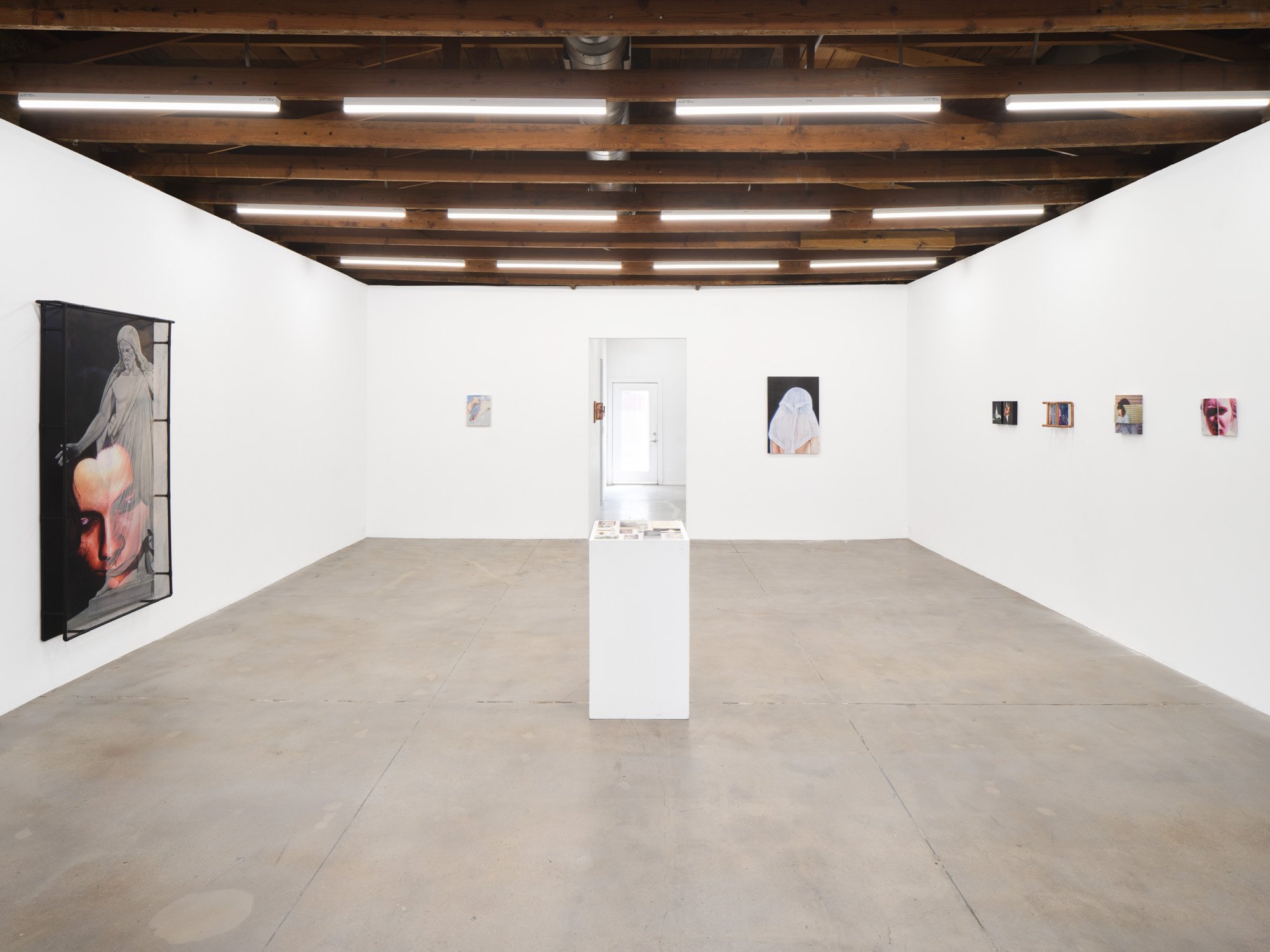
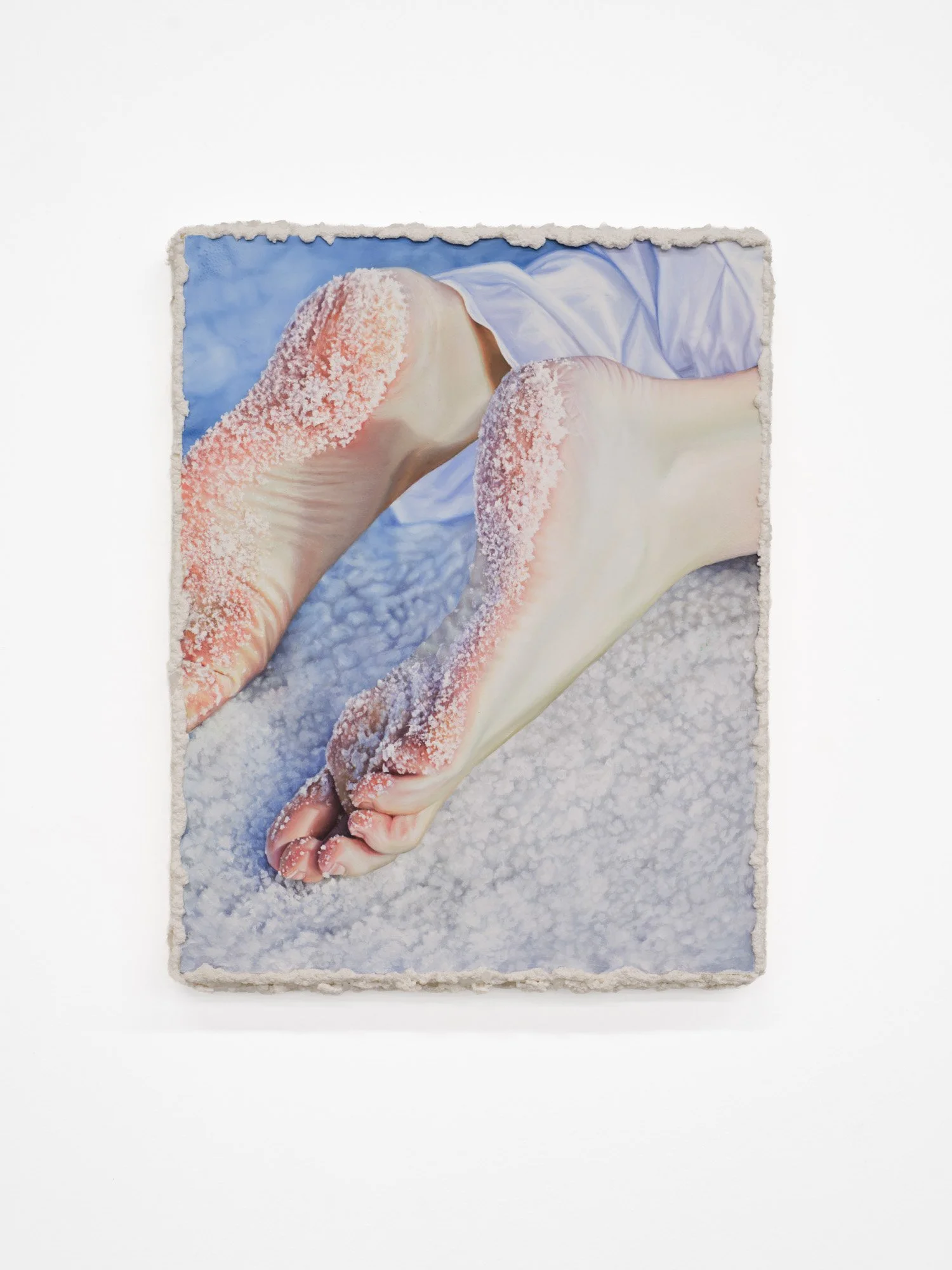
Hayley Labrum’s solo show Where the Copper Hills Meet the Salt Water is named for an intersection at once geographical, material, and spiritual. Raised in the Salt Lake City, Utah, suburb of West Jordan, Labrum’s childhood was triangulated by these two mineral-based landmarks: The first, the Bingham Copper Mine in the Oquirrh Mountains, known as the “Richest Hole on Earth,” is the world’s largest humanmade excavation and deepest open-pit mine; the second, the mineral-laden Great Salt Lake, contains not only high levels of salt (five times that of the ocean) but also elevated levels of elements like arsenic and uranium, runoff from surrounding industry that has settled into the lakebed that has become recently exposed as the lake evaporates due to rising temperatures. Between the two, the town of West Jordan was settled by Mormons in the mid-nineteenth century, who centered their settlement around the lake, and remains home to a large Mormon population today.
As a child, Labrum was one of these Mormons, her own presence preceded by six generations (many of which appear in Labrum’s work) of Church of Jesus Christ of Latter-day Saints members dating back to the area’s settling in 1847 by second LDS president Brigham Young. And in an act of double extraction, her father worked for a toxic mining industry that polluted her childhood air, earth, and water and tithed to the Church, which governed her choices until she left the faith.
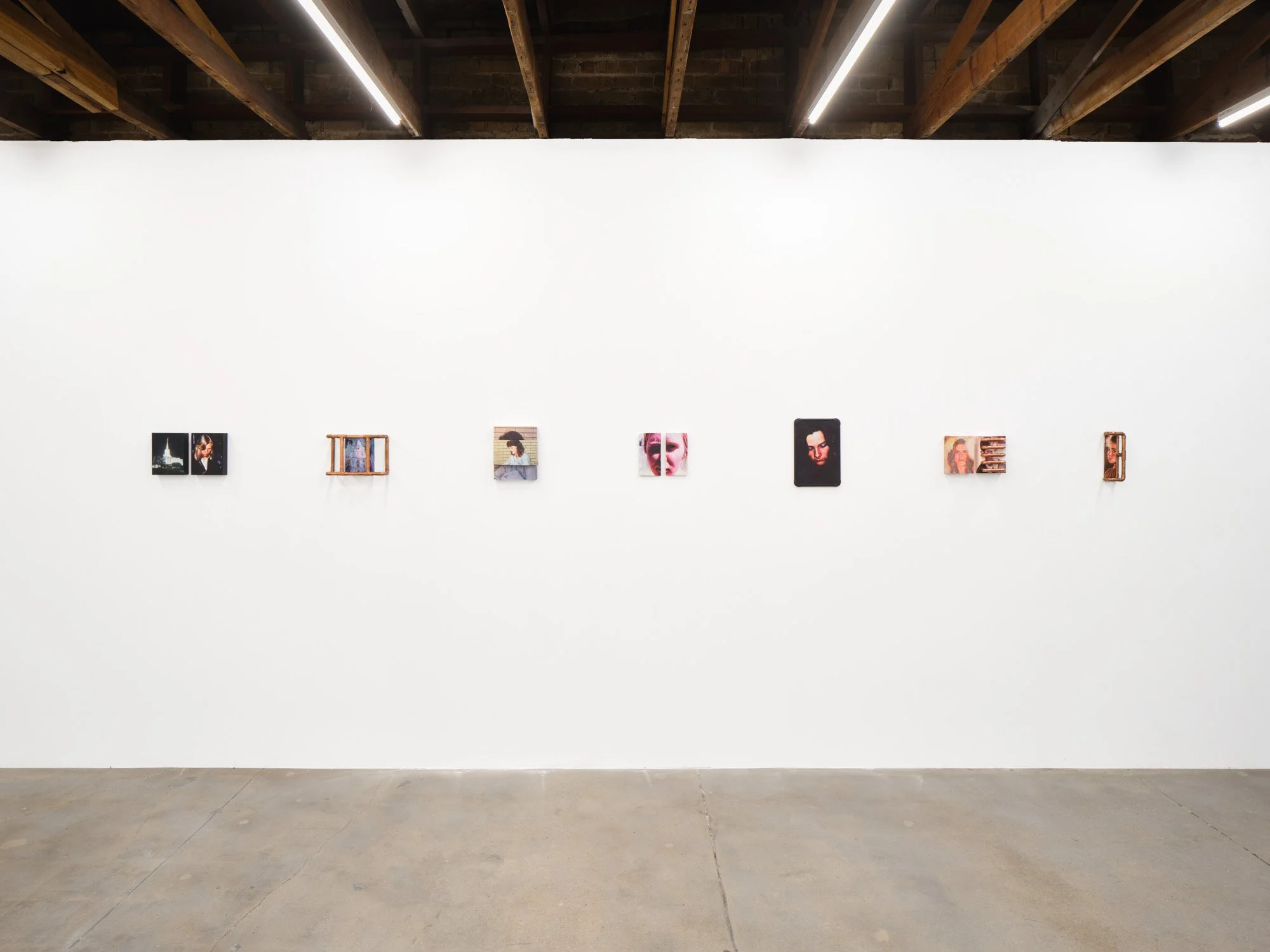
Labrum explores the materiality of this triangulated upbringing—of pollution, of brine, and of economic imbrication with the Church, which she describes as a “corporation in church’s clothing” (“And what could be more American than that?”)—through a series of works that push the boundaries of material and convention. Painting in a hyperreal tradition, Labrum challenges the notion of honest replication, aiming instead for a condition of simulacrum: Her works emphasize the materials that comprise them as much as the images they render. In her work Elect Lady (St. George Temple), for example, copper mesh simultaneously separates and integrates layered images of the artist’s mother and the St. George, UT, Mormon temple, underscoring the futility of suppressing and detaching from that which haunts us. Labrum makes this haunting visible through her use of ephemera, such as propaganda from the Mormon Church. Though these pamphlets and the like are made to be read and then tossed, making possible the changing of official Church narratives over time, Labrum instead creates what can be thought of as a counter-archive, a collecting practice that thwarts a religion that counts on the short memory of outsiders when it comes to its own messaging and crimes. Though the LDS has been attempting an official rebrand over the past decade or so, Labrum’s counter-archive and its physical appearance in her work act as testimony to what is purposefully obscured.
This counter-archive also invokes the Church’s interest in—and possession of—official records: namely, billions of global genealogical and historical records. Though public knowledge, this ownership, that some may argue should be in the hands of various governmental agencies, is rarely recognized. The reason for the Church’s desire for this archive, however, is a striking one: As Labrum explains it, LDS believes that, as Mormonism is the only true religion, everyone—living or dead—must be made a Mormon, so as to enjoy everlasting paradise. To convert the living, the Church relies on aforementioned propaganda and rebrands, but to convert the dead, they rely on the bodies of current Mormons, who use the information from the records to stand in as proxies for the deceased nonbelievers in various rituals: baptisms, weddings, etc. It is an act that neither reenacts nor even preenacts, but perhaps, in some perverse performative, para-enacts, effecting at once a different past, present, and future.
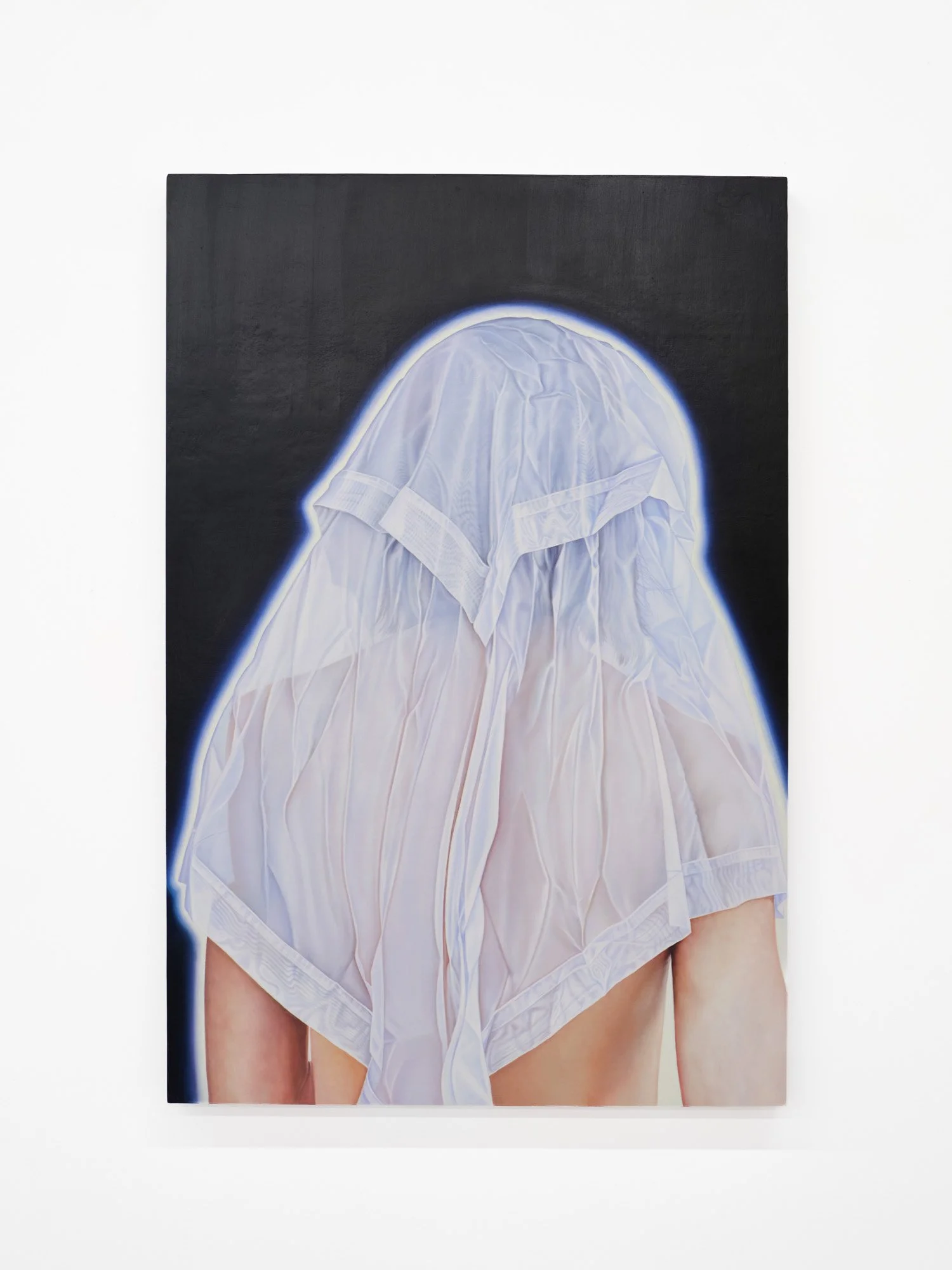
This relationship to time also haunts Where the Copper Hills Meet the Salt Water, which is perhaps triangulated in time as much as in space. Mark Fisher refers to hauntology as the study of lost futures: Among Labrum’s, a future in which she is a devout Mormon and, in that vein, a devout wife. Her attraction to the veil makes this manifest. Imagery of brides, bridesmaids, and women in divine ecstasy speak to something that underpins the exhibition, as well—though that future is shrouded in sadness, there is beauty within it too, a beauty Labrum also locates in her childhood. It is a testament to the ability to carve out one’s own space in even the most restrictive of structures, to extract joy even amidst extractive zones, to exist with dignity in a life built otherwise, even when that alterity is obscured.
Text by Grace Sparapani
Where the Copper Hills Meet the Salt Water’s opening reception will be held from 6:00 to 9:00 PM on September 11, 2026, and will be on view through October 3, 2026, Friday- Saturday, 12- 6 PM, or by appointment.
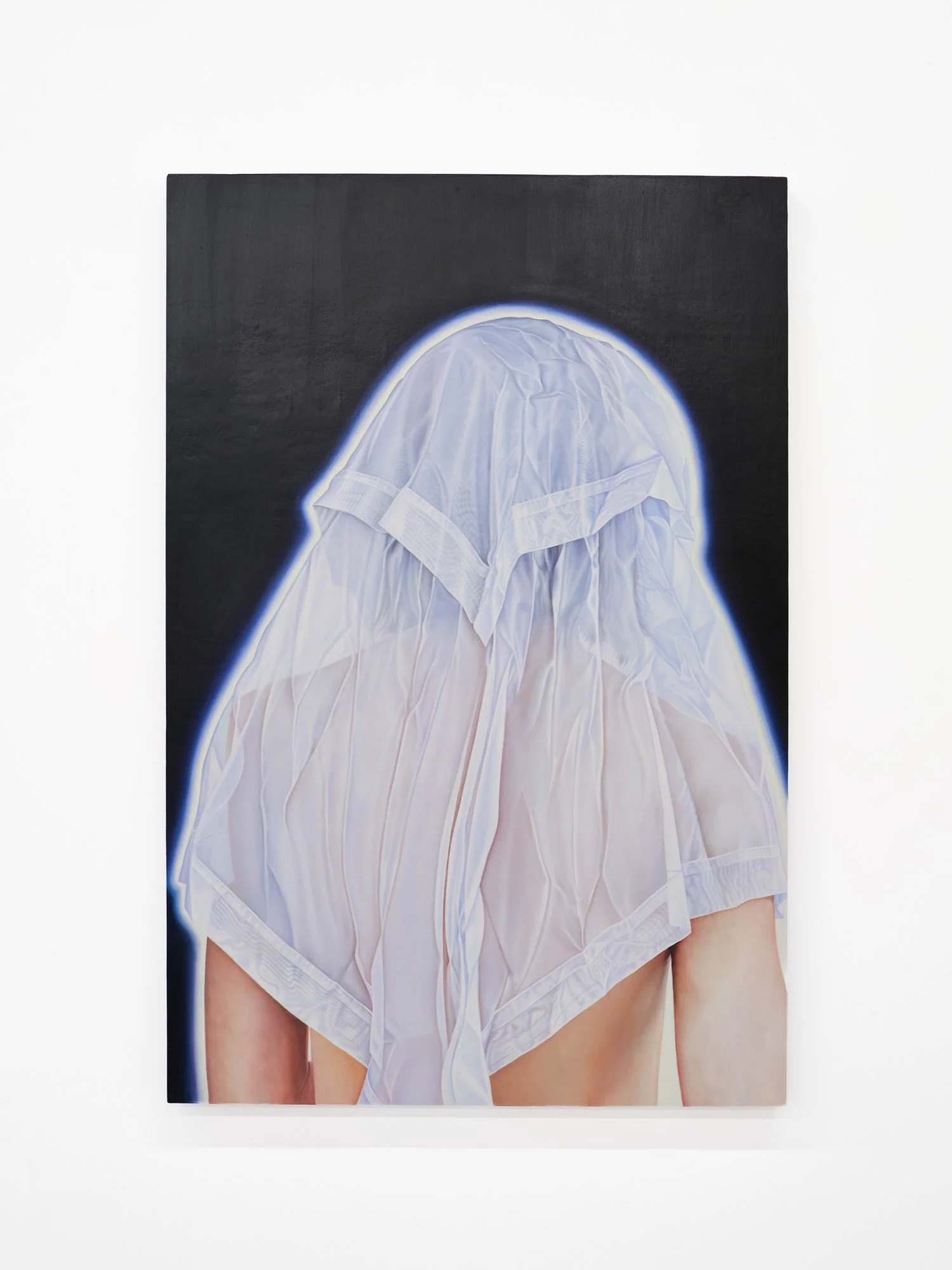
Hayley Labrum
Is There No Other Way? II, 2026
Oil on panel
24 x 36 inches
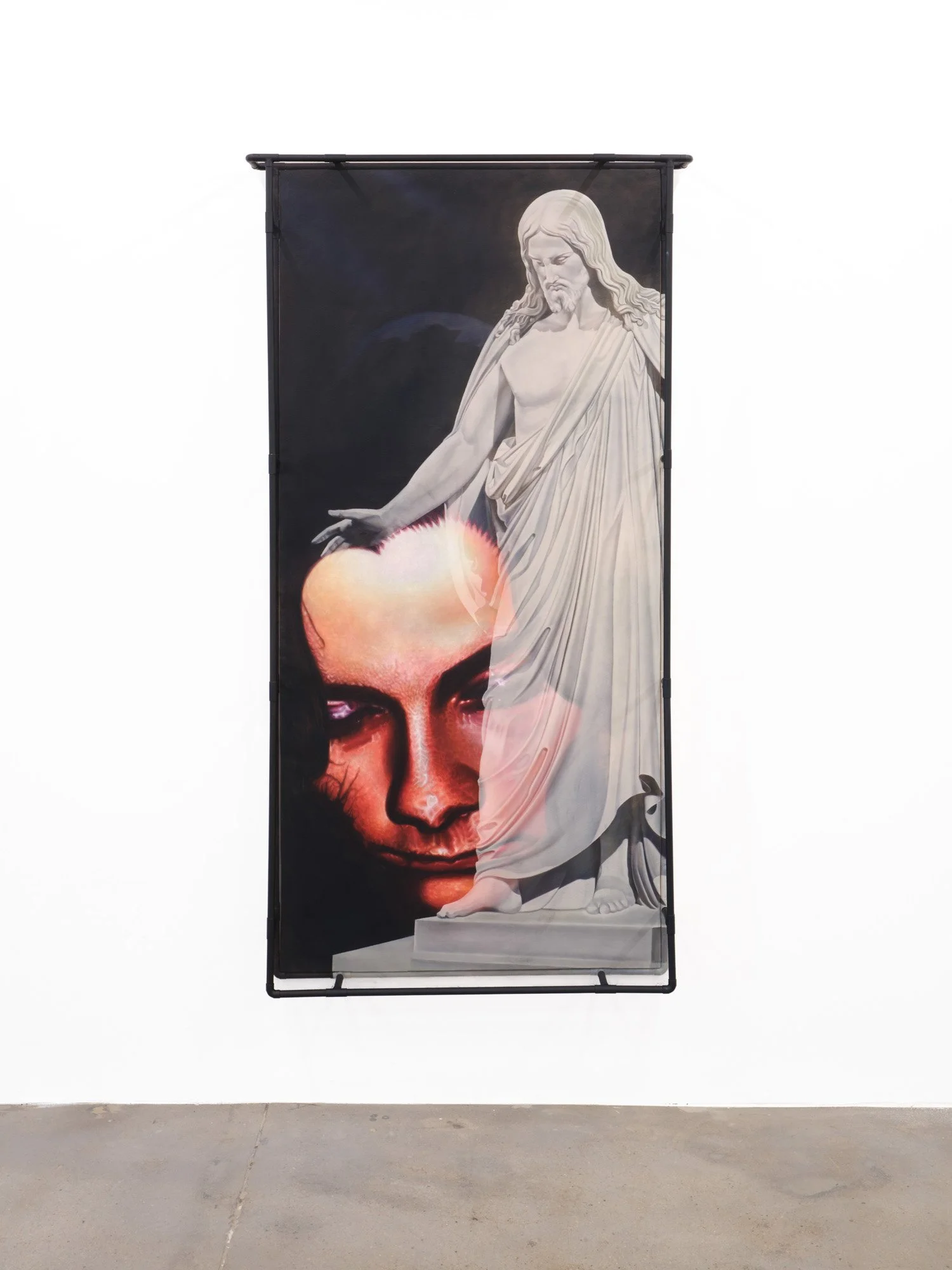
Hayley Labrum
Anointed/Apostate (Space Jesus), 2026
Oil on copper mesh, copper pipe, and canvas
39 x 72.5 x 5.5 inches
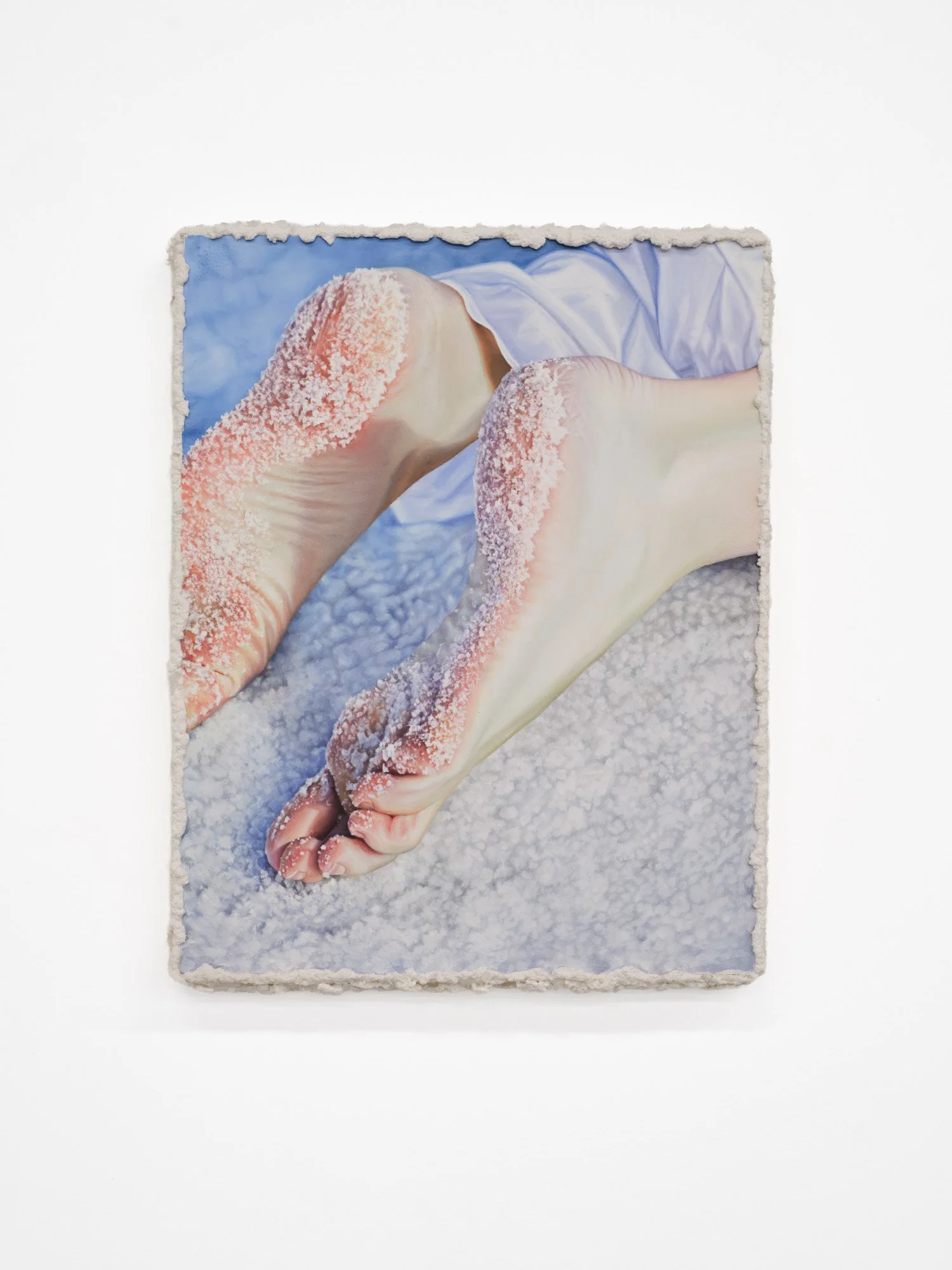
Hayley Labrum
Well Done, Thou Good and Faithful Servant, 2023
Oil on panel framed with salt
11.5 x 15 inches
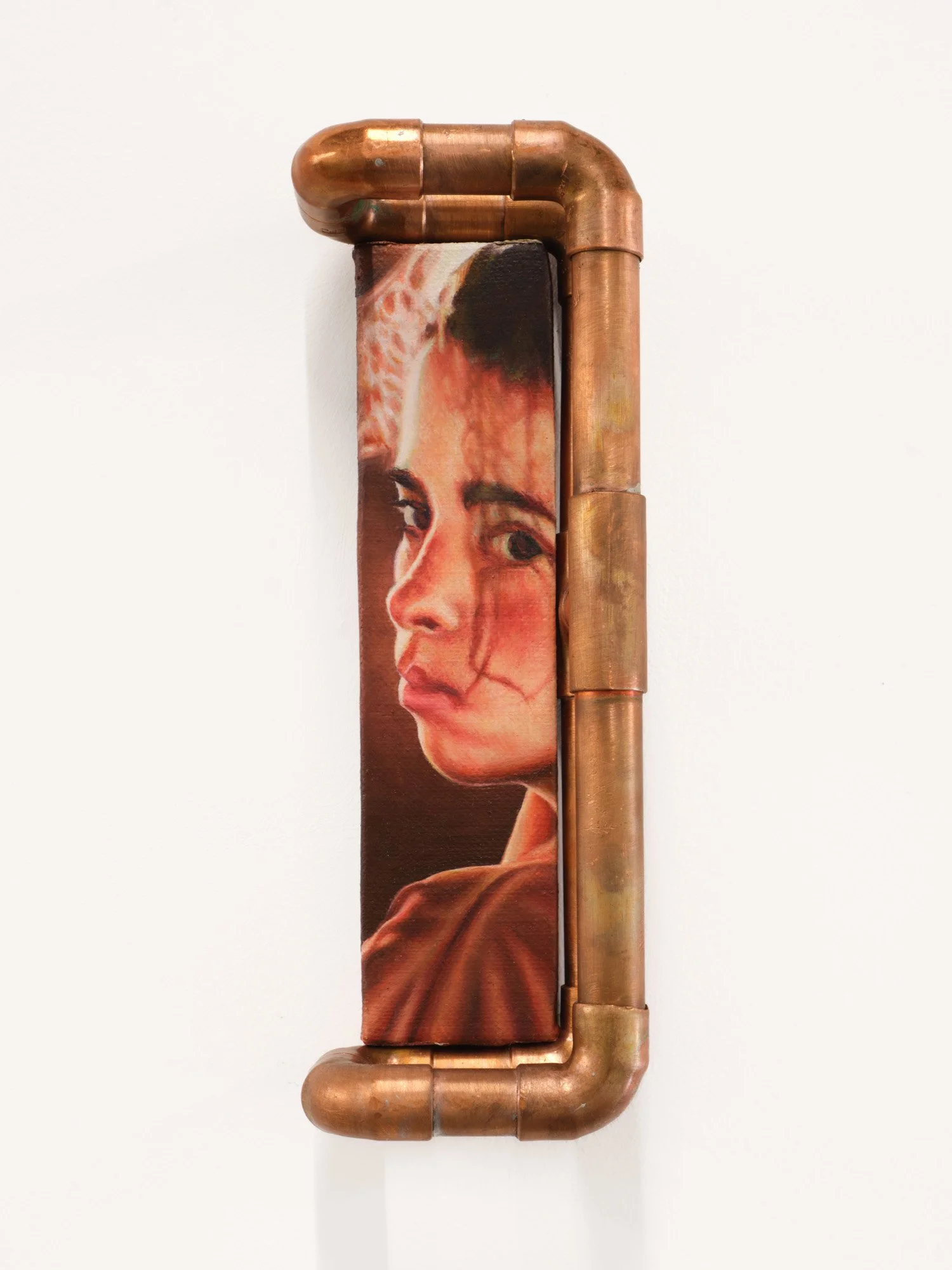
Hayley Labrum
"I Didn't Understand Why God Would Do This to Me" (Merry Go Round), 2026
Oil on linen, copper pipe
9 x 3.5 x 2.5 inches
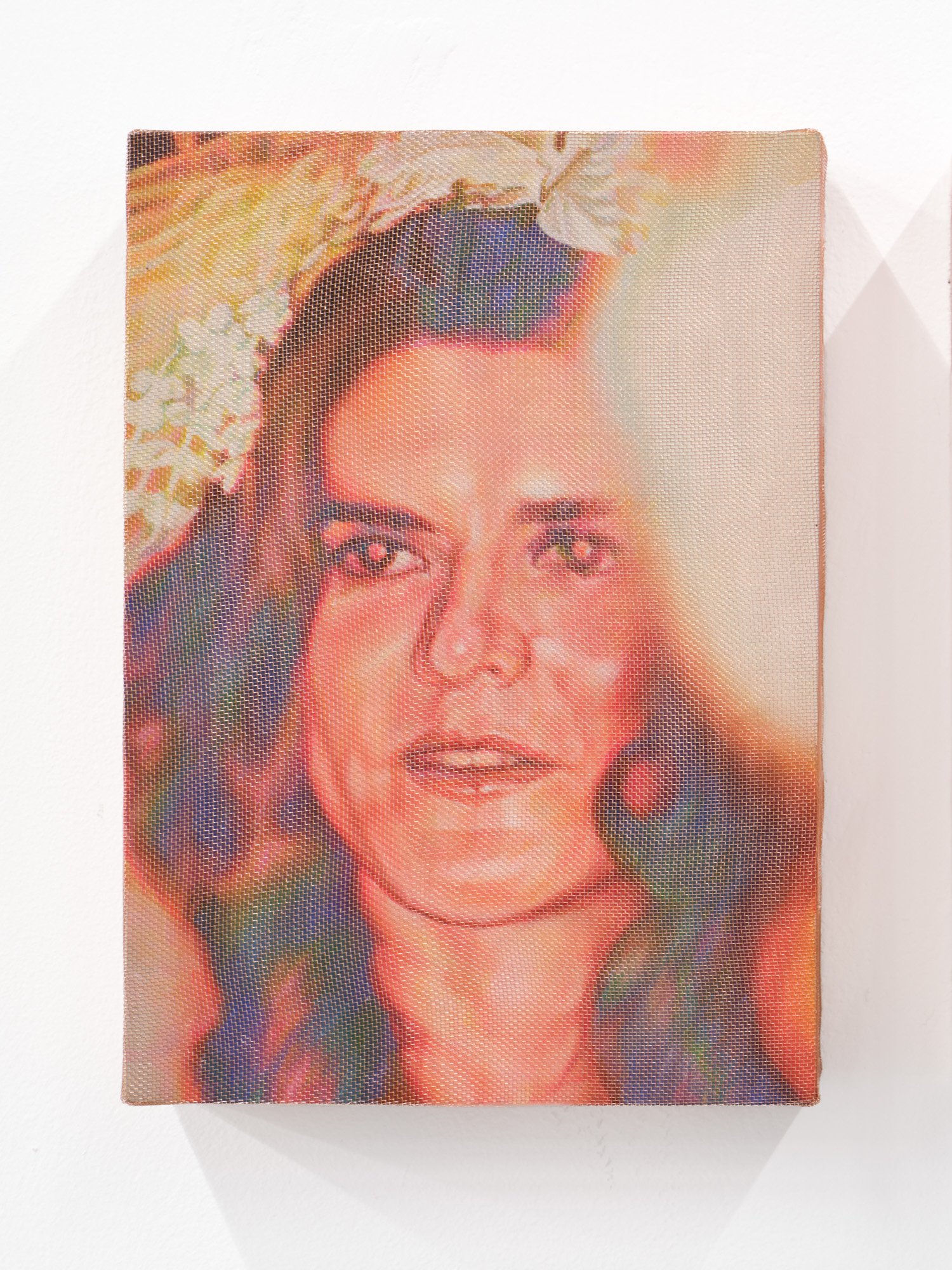
Hayley Labrum
The sisters in the room will please veil their faces (Bridal Barbara), 2026
Oil on panel wrapped in copper mesh
5 x 7 inches
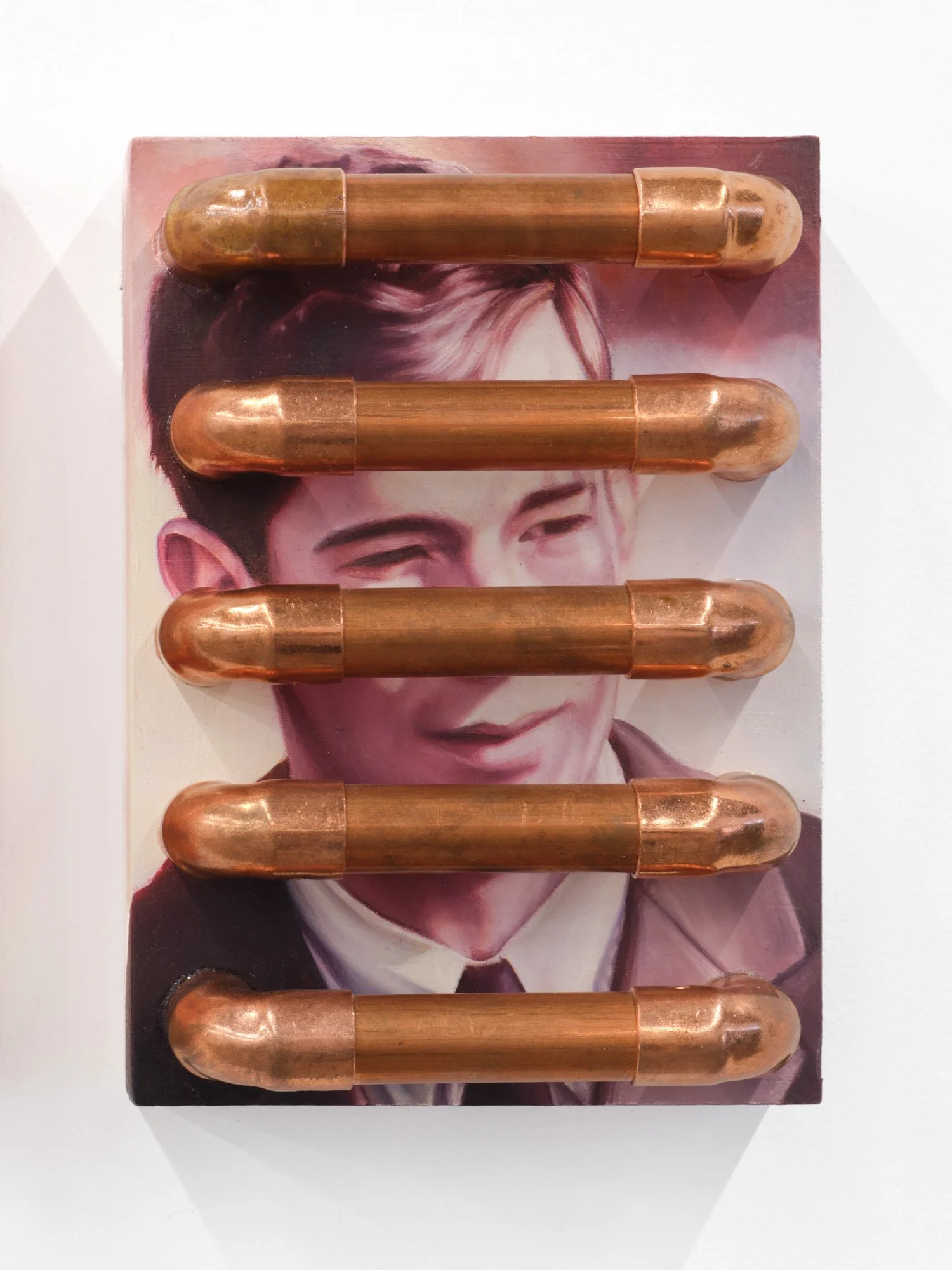
Hayley Labrum
“Whosoever shall lose his life for my sake shall find it.” (“I’m glad I finally got laid off because I might have worked there my whole life.”), 2024
Copper pipe and oil on panel
5 x 7 x 2.5 inches
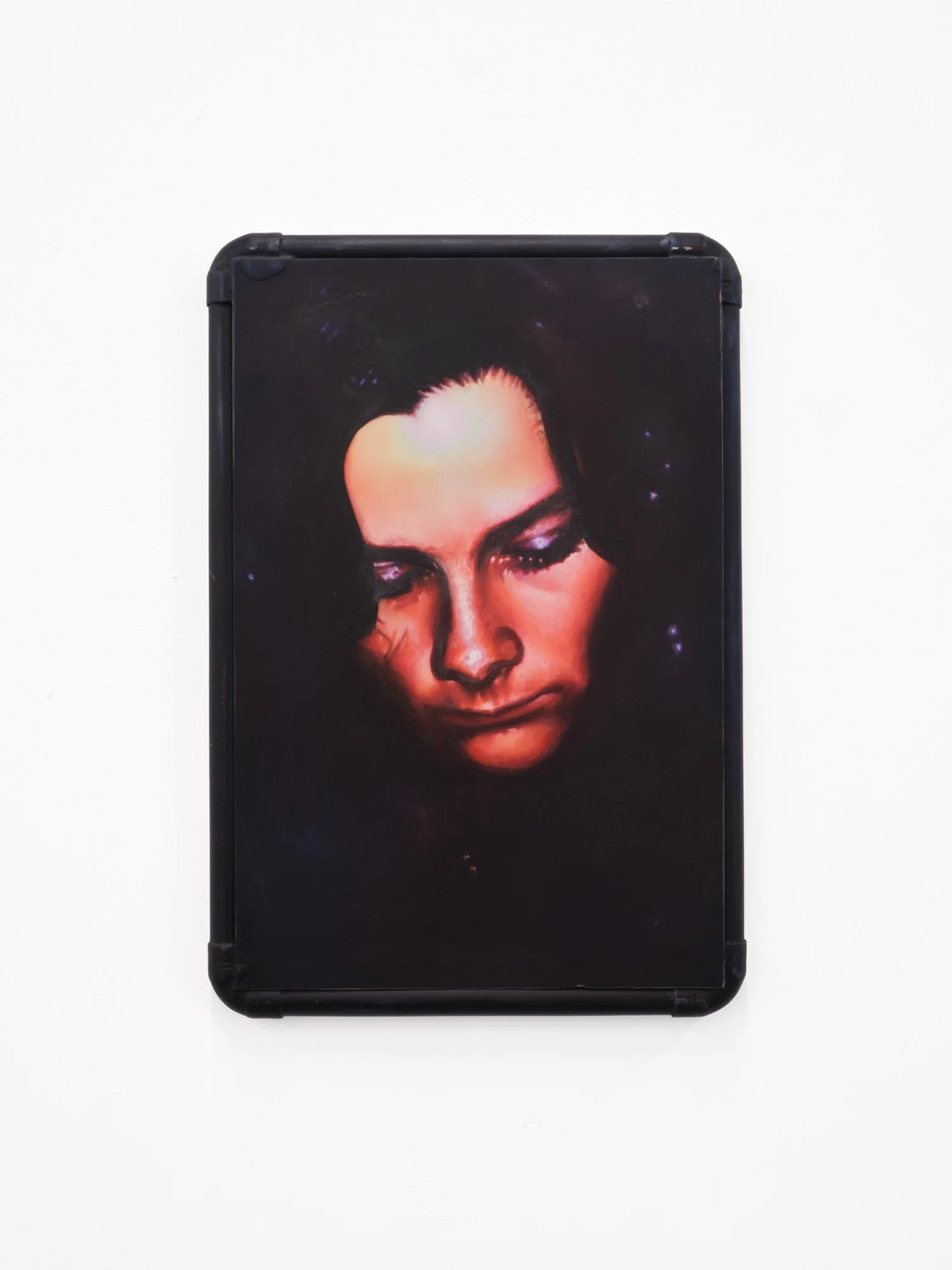
Hayley Labrum
Ripe for Destruction, 2026
Oil on copper
5 x 7 inches
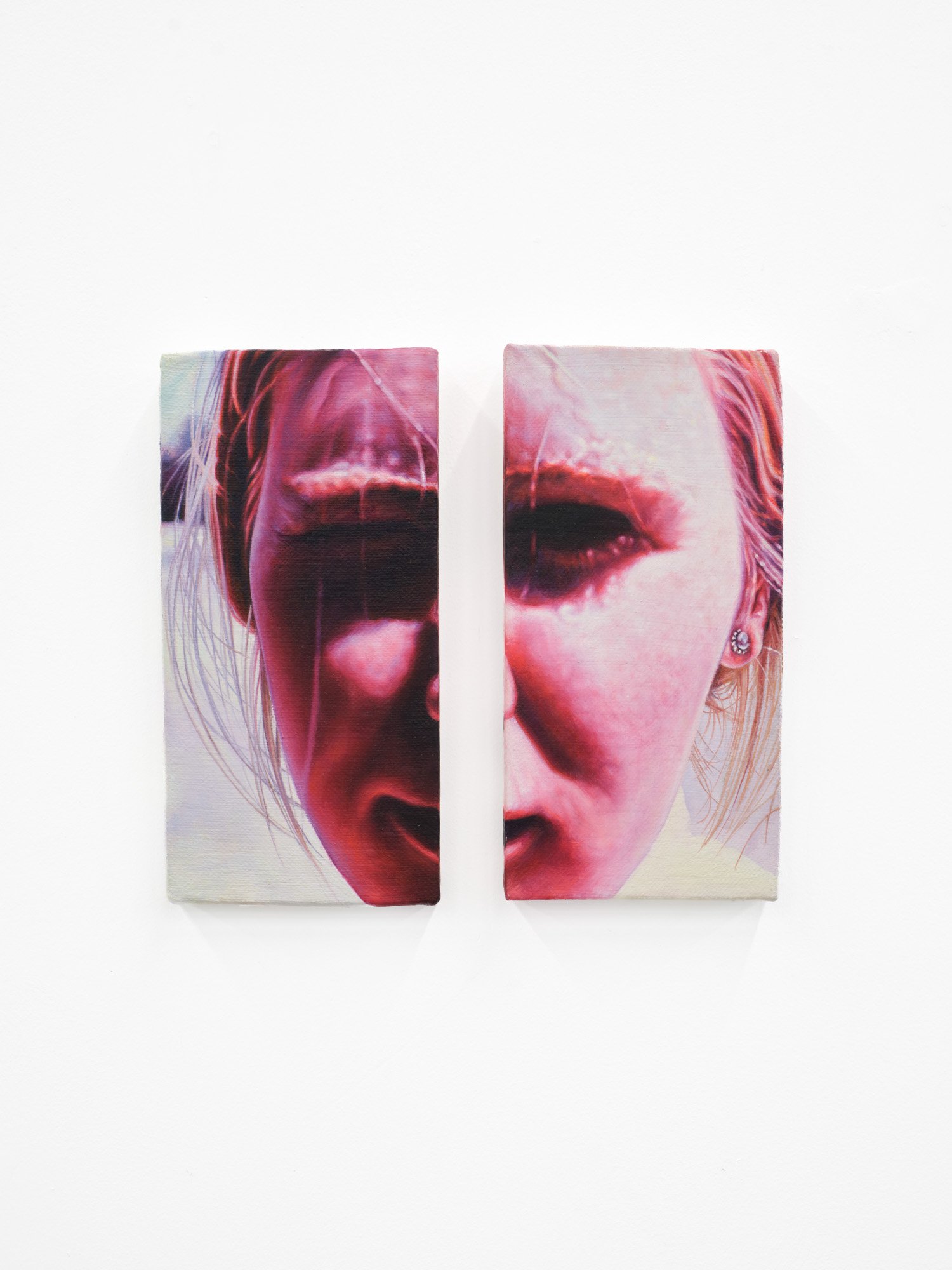
Hayley Labrum
In the World, but Not of the World, 2025
Oil on linen
9 x 10 x 4 inches
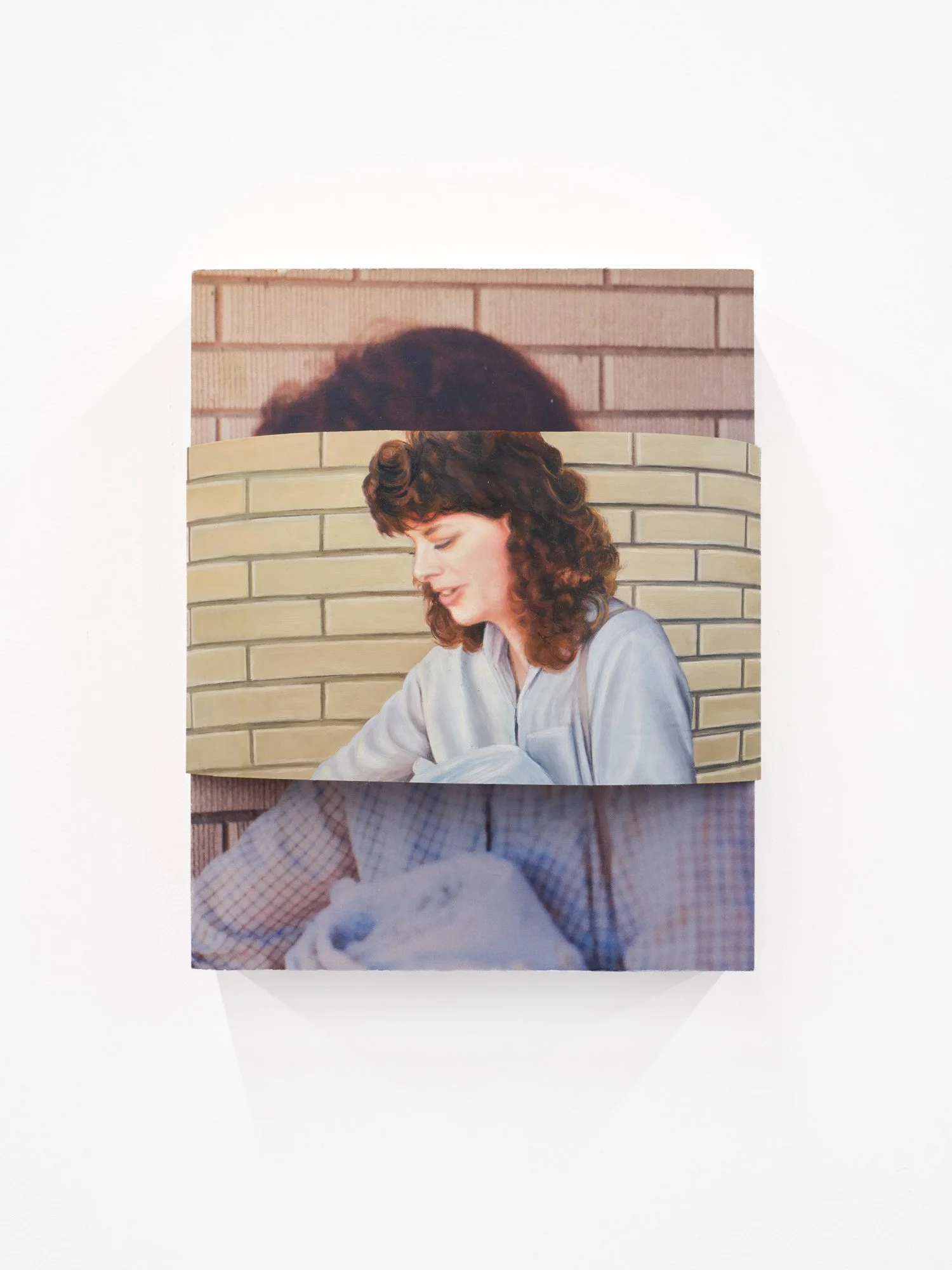
Hayley Labrum
“I was a Mom for my work Halloween party because that’s all I ever wanted to be when I grew up.”, 2025
Oil on copper, archival photo on panel, nails
8 x 10 x 3.5 inches
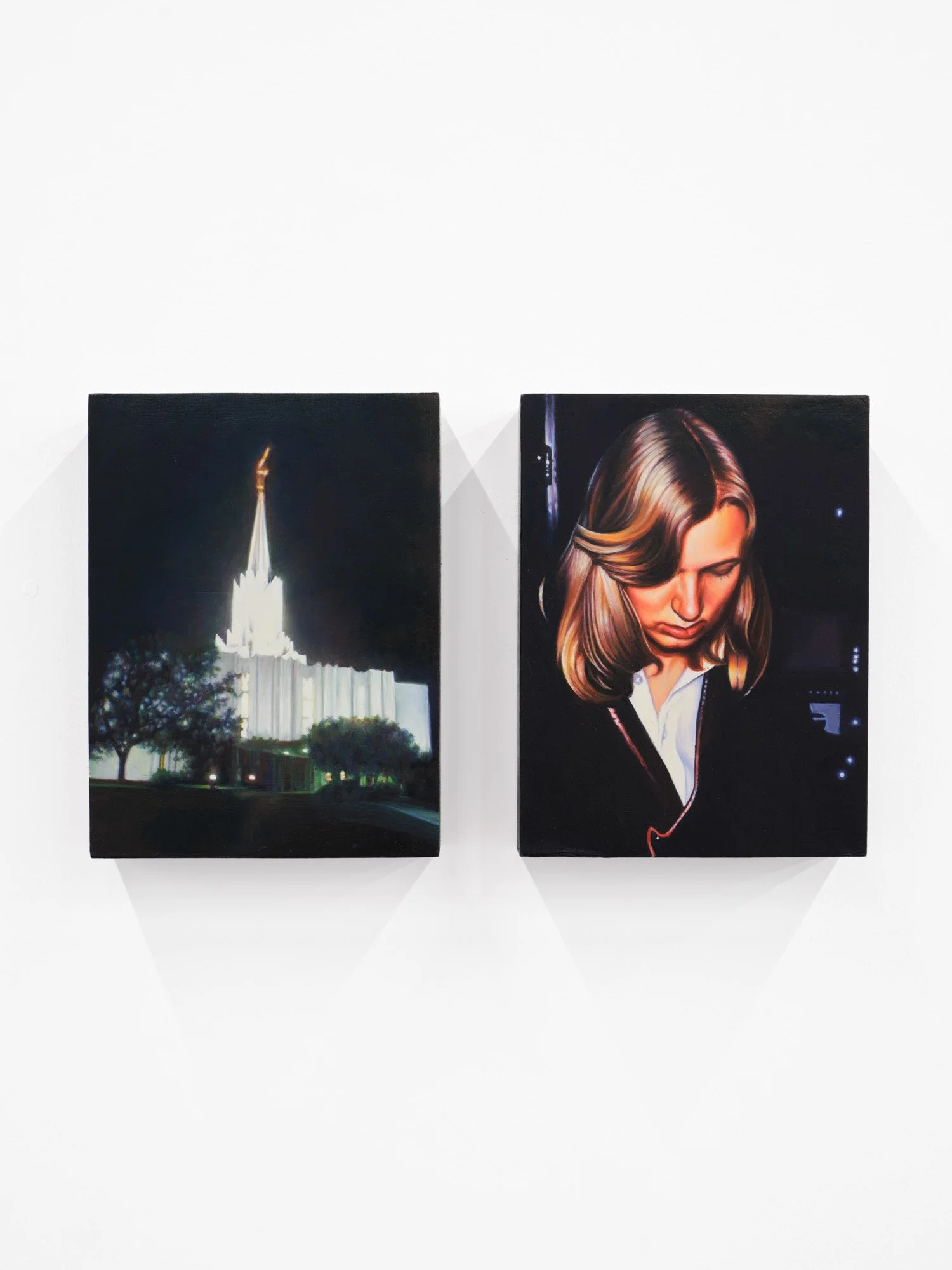
Hayley Labrum
Within and Without, 2024
Oil on panel
8 x 13 inches
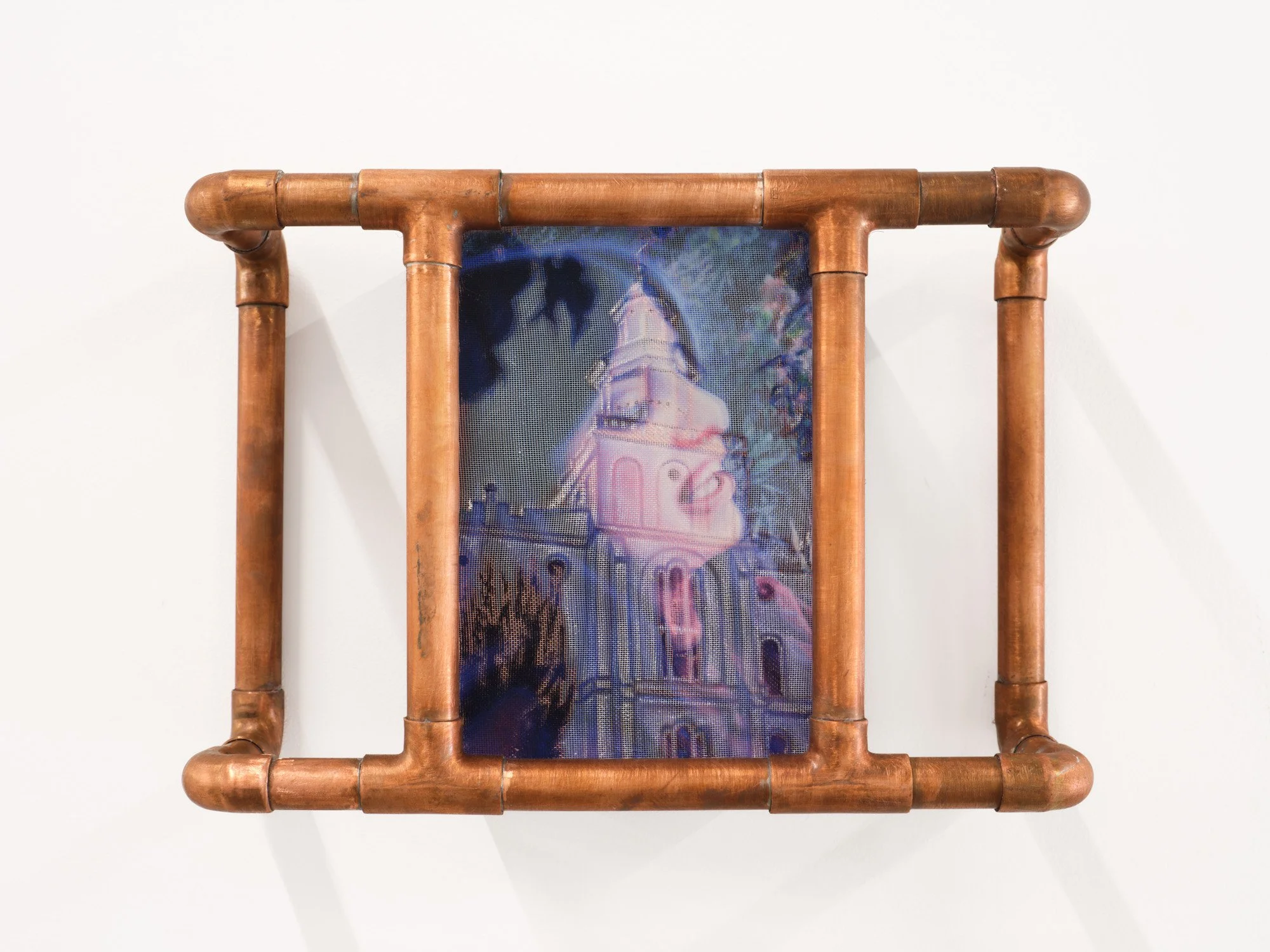
Hayley Labrum
Elect Lady (St. George Temple), 2026
Oil on panel and copper mesh, copper pipe
8 x 11 x 3 inches
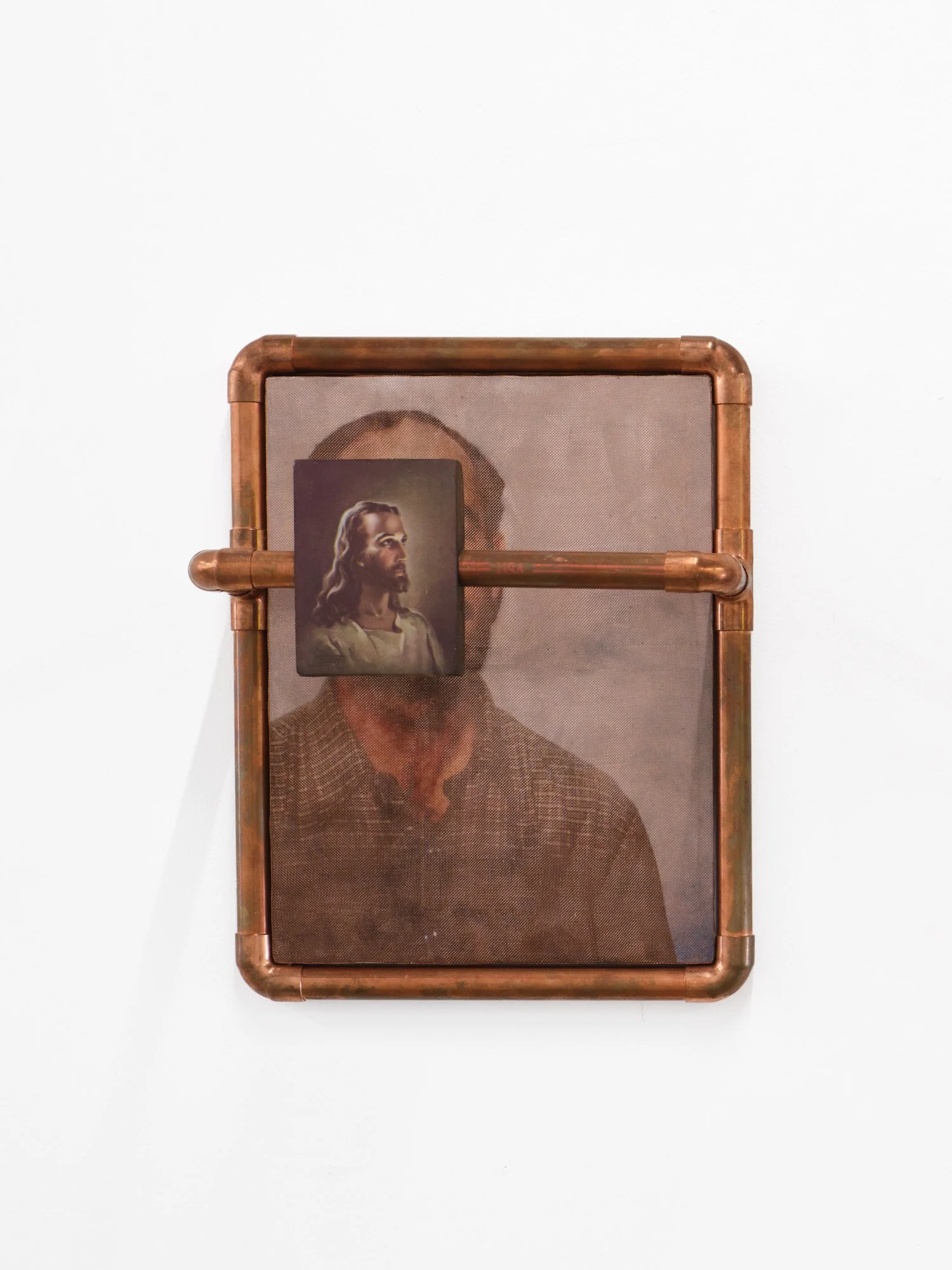
Hayley Labrum
God the Father, 2025
Photo print, copper mesh, copper pipe, ephemera
9 x 12 x 3.5 inches
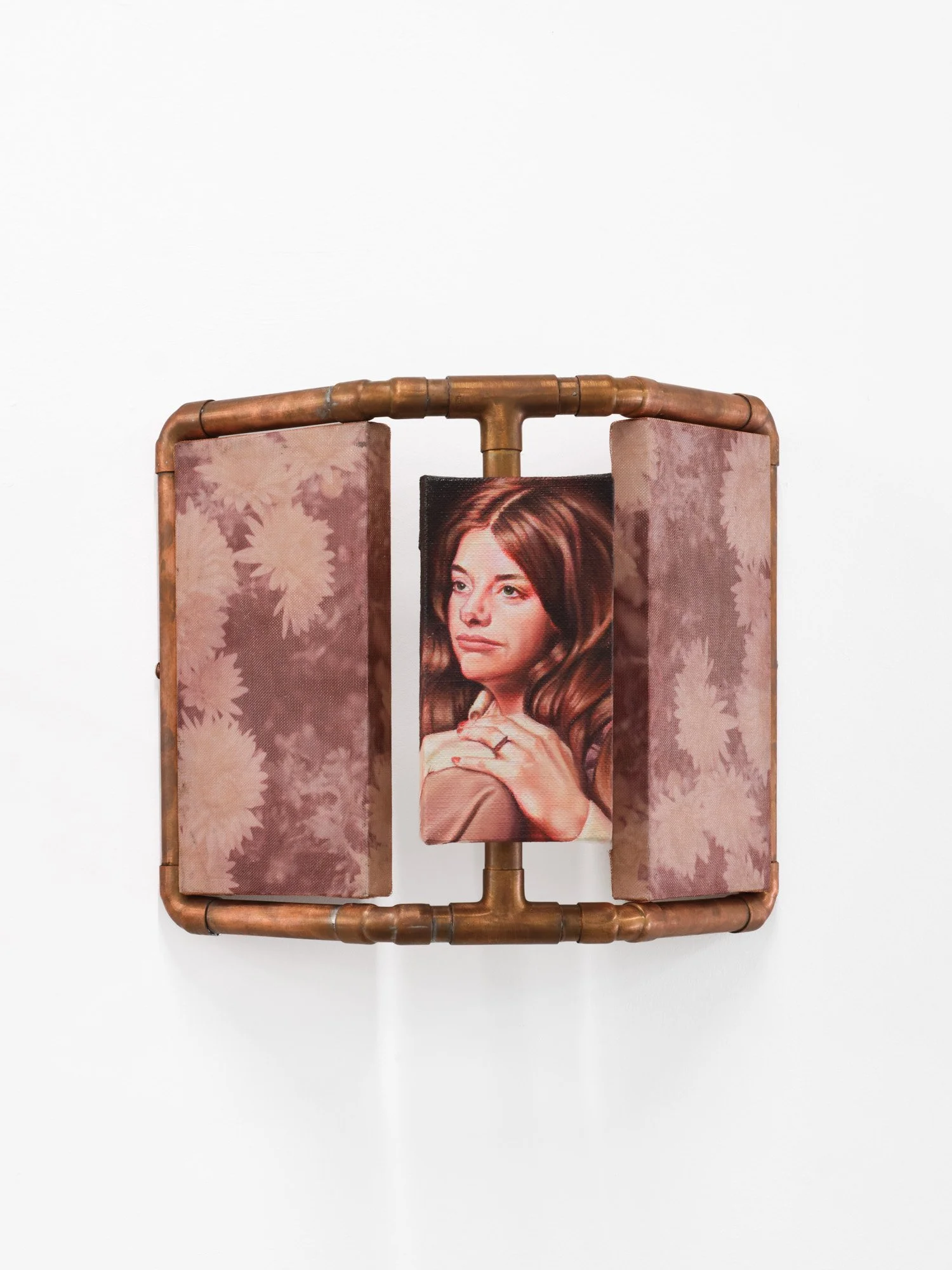
Hayley Labrum
“He Broke Up with Me. Then We Got Engaged.” (Doctrine & Covenants 132), 2026
Oil on linen, archival photo prints wrapped in copper mesh, copper pipe
9.5 x 11 x 5 inches
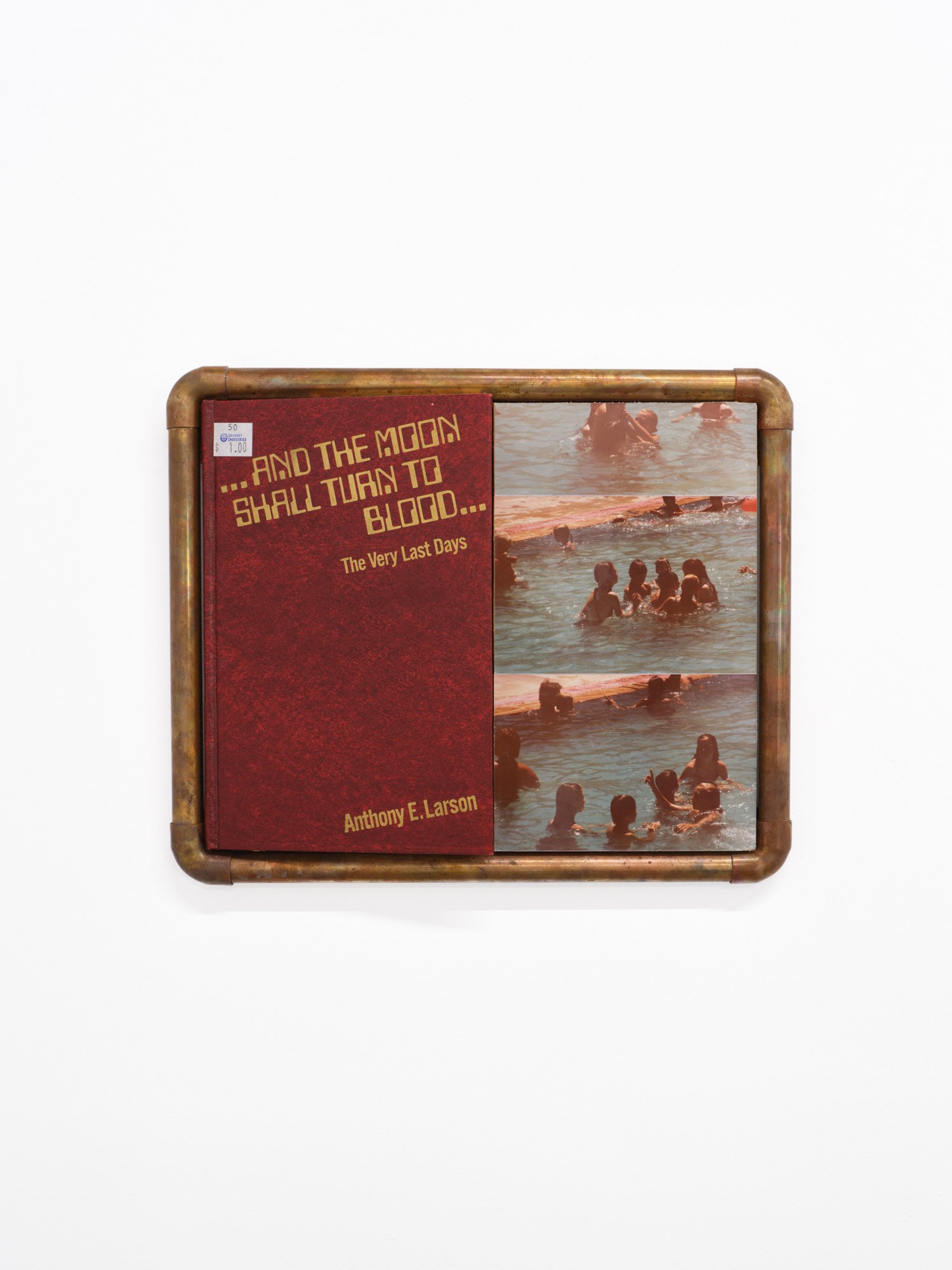
Hayley Labrum
“(He) saw the Destroyer, in his most horrible power, ride upon the face of the waters.”, 2025
Ephemera, copper pipe
10.25 x 12.25 inches