
Infrastructure
A solo exhibition by Kate LeSueur
October 9-October 31, 2026
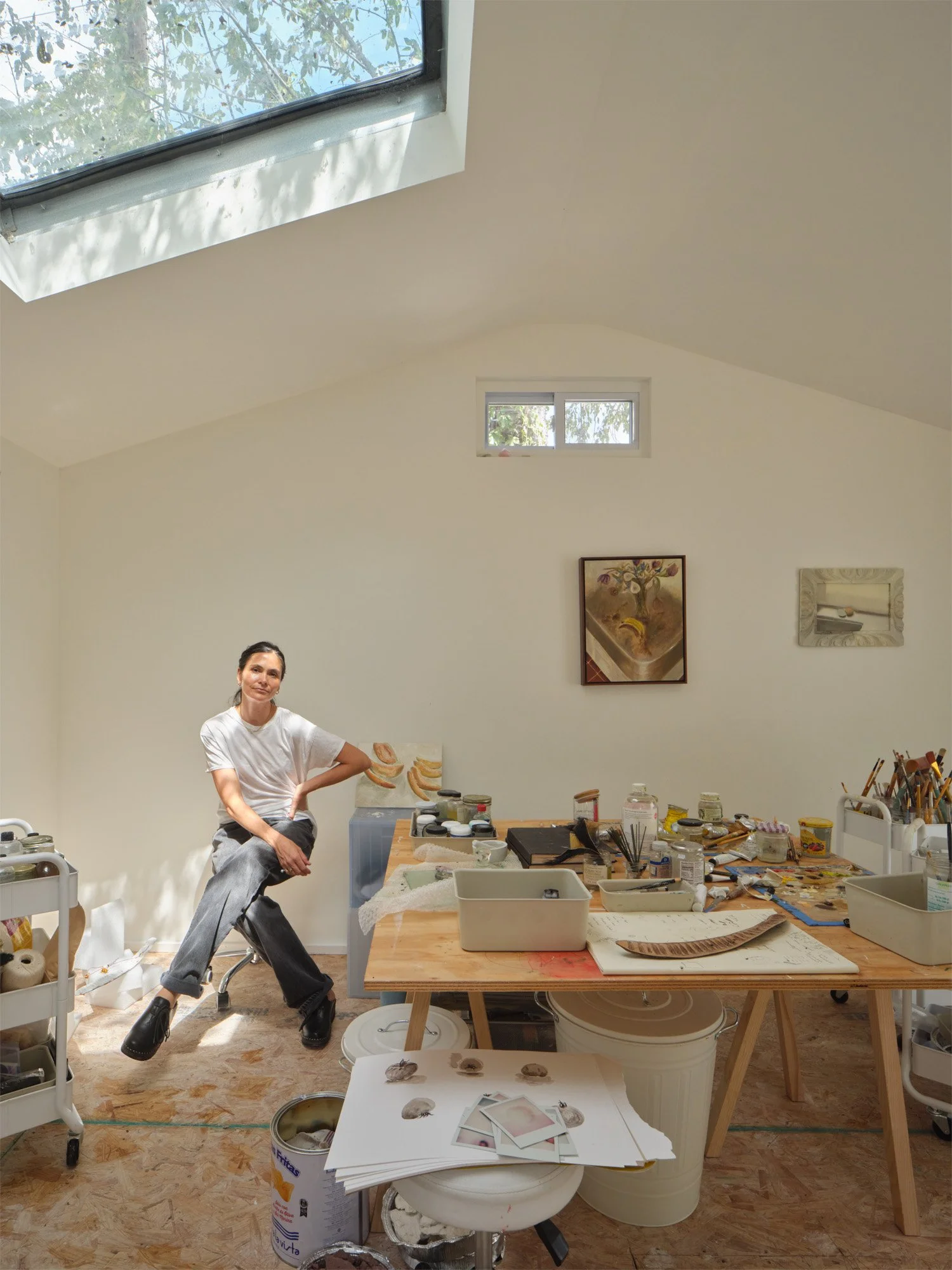
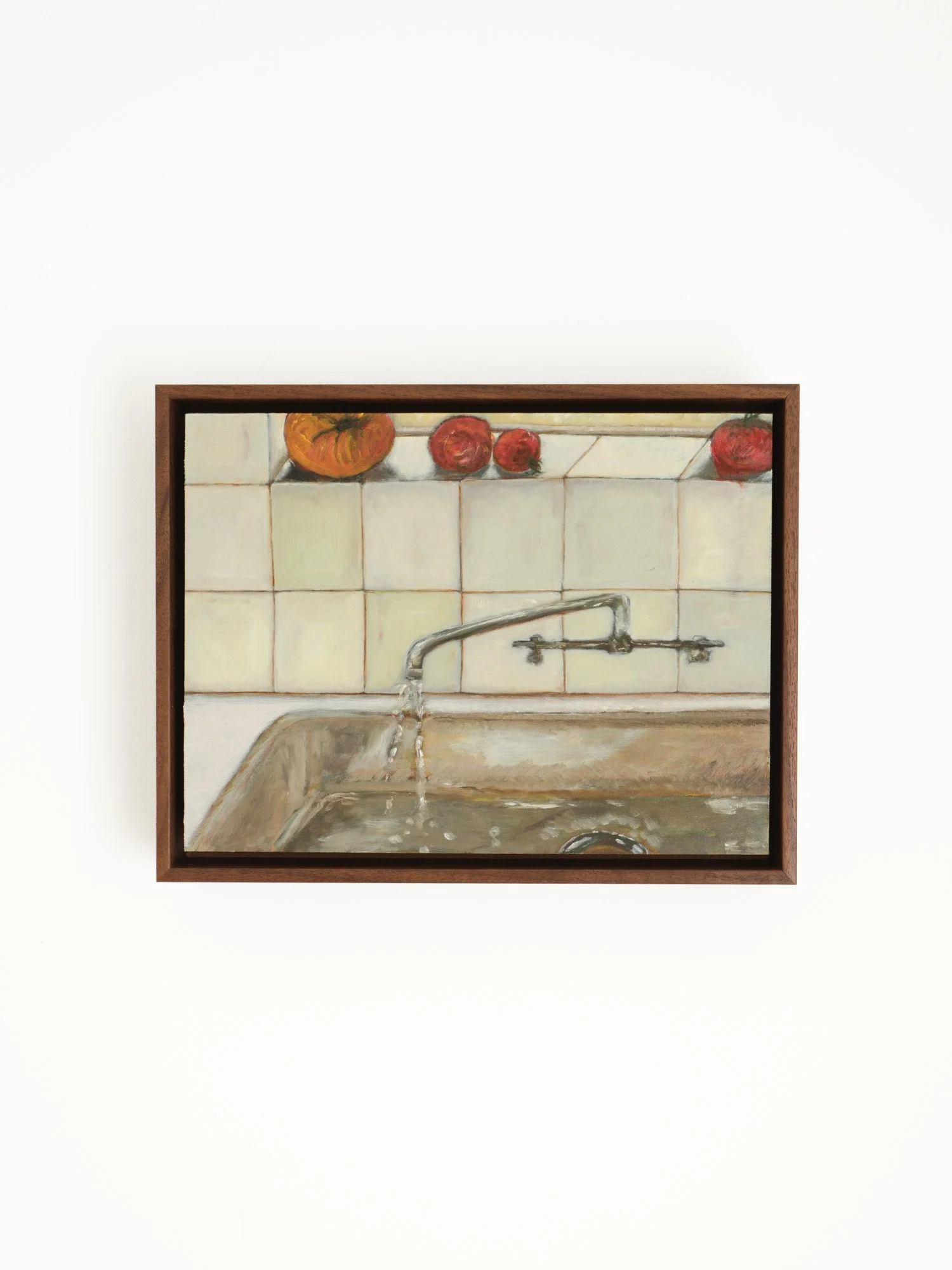
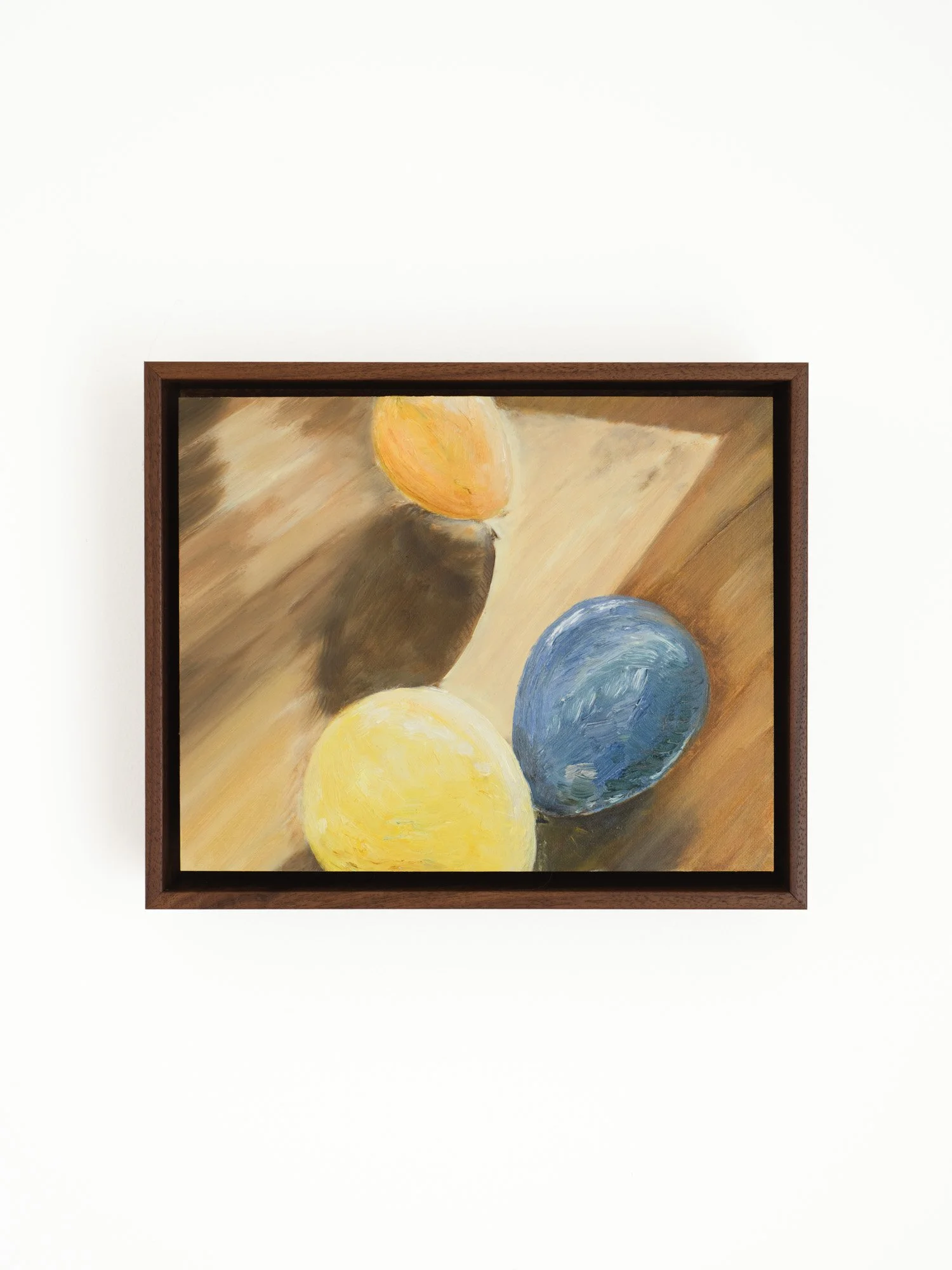
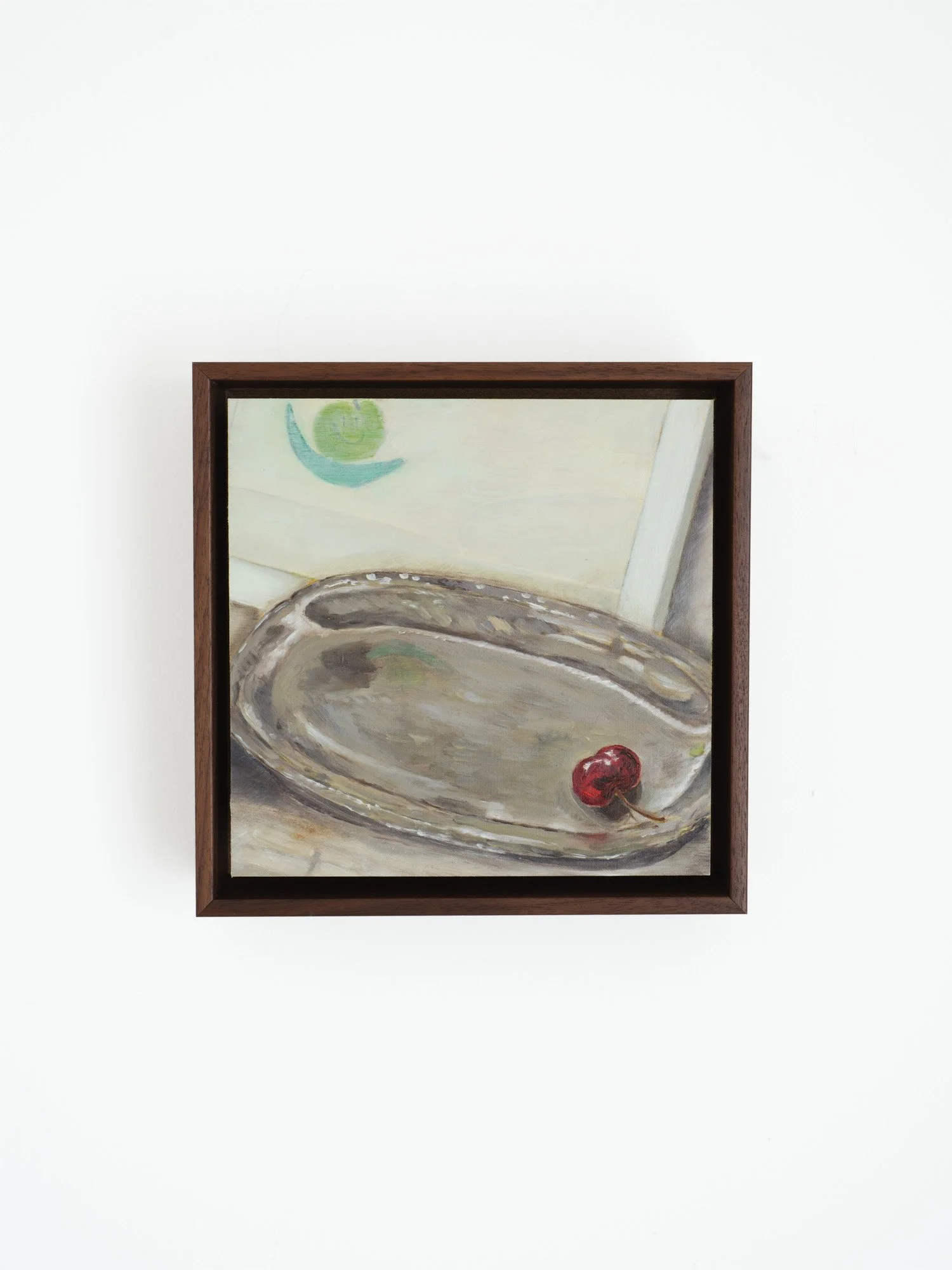
In Kate LeSueur’s Infrastructure, her small-scale paintings invite a moment of close looking and, in this, a moment of breath. Created amidst the artist’s own busy life, these paintings capture objects that unfold in meaning beyond their immediate appearance. Without a veneer of perfection, these objects, rendered thickly in paint made by the artist using limestone, umbers, and siennas foraged from Big Bend, collapse surface and ground in a texture you can almost grasp.
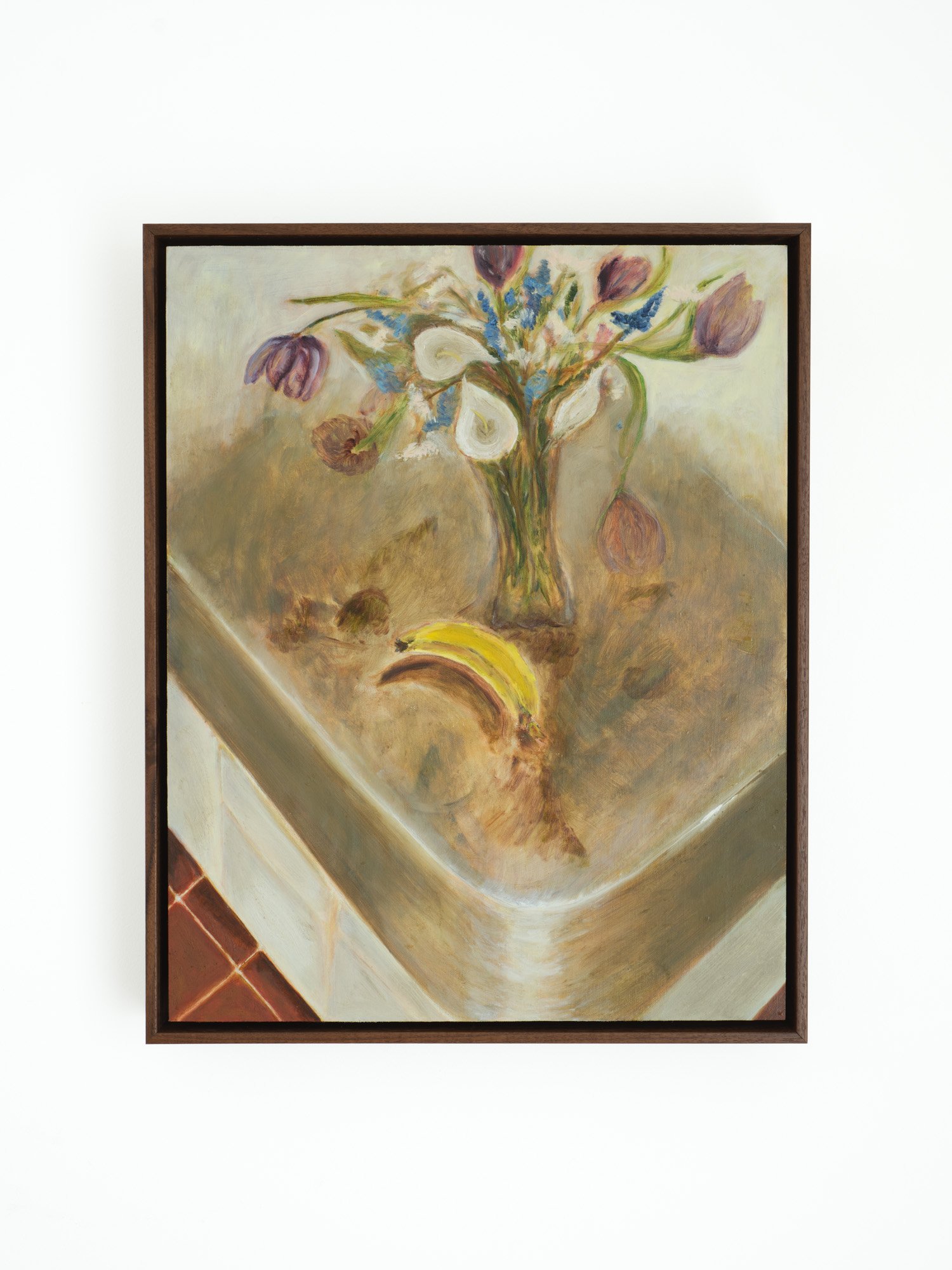
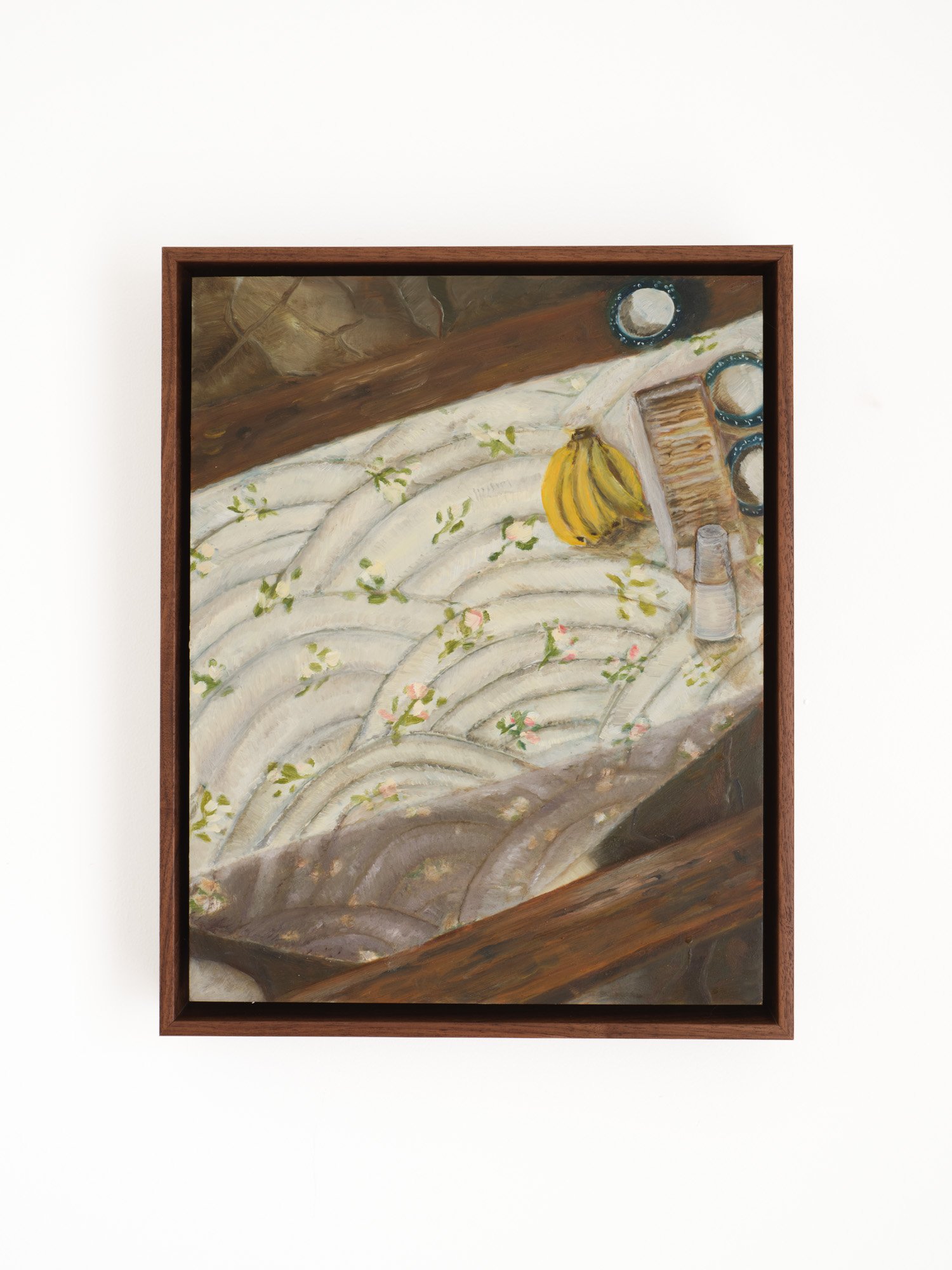
Inherent in LeSueur’s paintings is a tension between the seemingly banal and the complexity this impression obscures: the tension, perhaps, between nothing and everything. Take, for example, the motif of the banana, which appears in the works A Forgotten Banana, Banana with Flowers, and A Stranger's Picnic. Purchased for under a dollar a bunch, bananas are easy to take for granted. And yet the ease with which we procure them belies a rich and rife history of politics and engineering. The single variety of banana that we eat is unrecognizable to nature, carefully produced for human convenience. And yet—we treat them carelessly, often letting one or multiple of a bunch rot on our kitchen counter before discarding them.
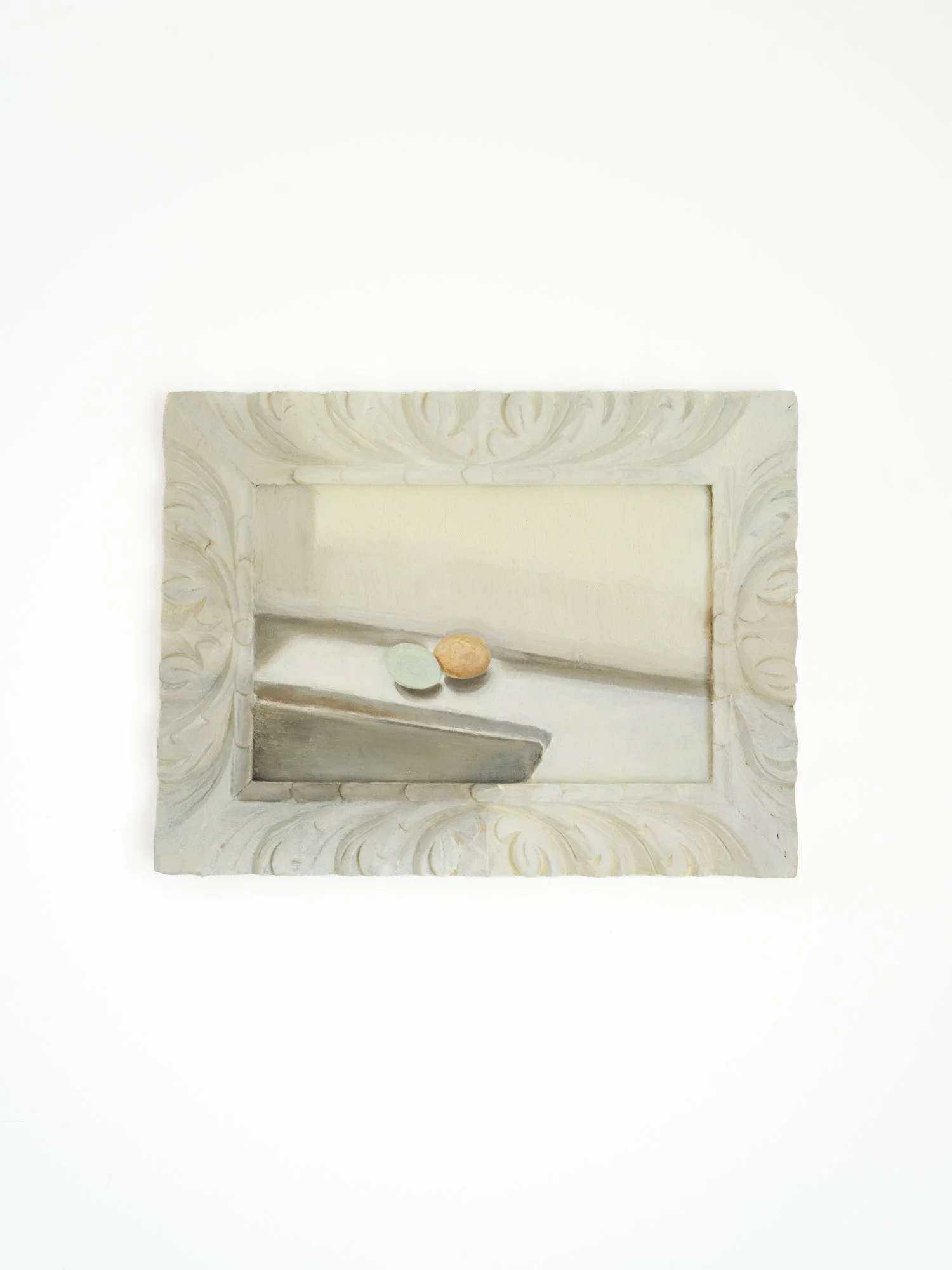
Eggs too—LeSueur’s A Blue Egg and a Brown Egg invite the viewer to consider how we got here, from collecting our own eggs, washing them, to buying them a dozen at a time, carefully sorted by color, shape, and size to create a vision of the domestic that runs on uniformity, ease, and comfort.
Like our easy buying of these products betrays the labor that goes into them, this vision of the domestic invisibilizes the work done by those in the domestic sphere, often women, to create comfort amidst the chaos. Like mother-artists before her, such as Mierle Laderman Ukeles, who washed the steps of the Wadsworth Atheneum art museum as part of her larger Maintenance Art project, and Lea Lublin, whose 1968 performance Mon Fils comprised placing the daily rituals and work of raising of her son in the gallery space, LeSueur’s work traffics in the notion of care, in proclaiming care work as something worth noticing, worth appreciating.
It is a proclamation presented plainly, without resentment and even with joy. In a world of outsourcing, the artist asks if we have offloaded too much—if these tasks are, rather than a distraction from creativity, the very stuff of creation instead. Like in LeSueur’s work, the seemingly meaningless exists also as the extremely meaningful: minute slices of life that contain within their frame many, many lives themselves.
The scale of her works highlights care, as well: the care to stop, to breathe, to look. Their size resists vision from afar, while rushing past, instead inviting the viewer into a one-to-one correspondence from up close. In an arms race of ever-larger, ever-faster, LeSueur reminds us that time is our greatest asset: not because it is money, not because it can be saved, but because it is going to pass regardless, making the way we spend it and fill it matter.
In these reminders, LeSueur’s paintings also stake a claim that goes on our walls is as “infrastructural” as the beams that hold them up, that the daily domestic rituals we hope to rush through are actually the scaffolding of our existence: The way you spend your day is the way you spend your life—a gift, rather than a rejoinder. In holding us up, these paintings, rituals, and the objects and moments around which they center remind us that the aesthetic is inherently political, that affirming life and the care that sustains it is, even without didacticism, a message in itself.
Text by Grace Sparapani; photos by Andrea Calo
Infrastructure’s opening reception will be held from 6:00 to 9:00 PM on October 9, 2026, and will be on view through October 3,1 2026, Friday- Saturday, 12- 6 PM, or by appointment.
Kate LeSueur
A Stranger's Picnic, 2026
Oil on copper
11 x 14 inches
Kate LeSueur
Tomatoes in Window, 2026
Oil on linen panel
9 x 12 inches
Kate LeSueur
A Blue Egg and a Brown Egg, 2026
Oil on antique panel and frame
12 x 17 inches
Kate LeSueur
3 Balloons, 2026
Oil on linen panel
8 x 10 inches
Kate LeSueur
The Last Cherry, 2026
Oil on linen panel
8 x 8 inches
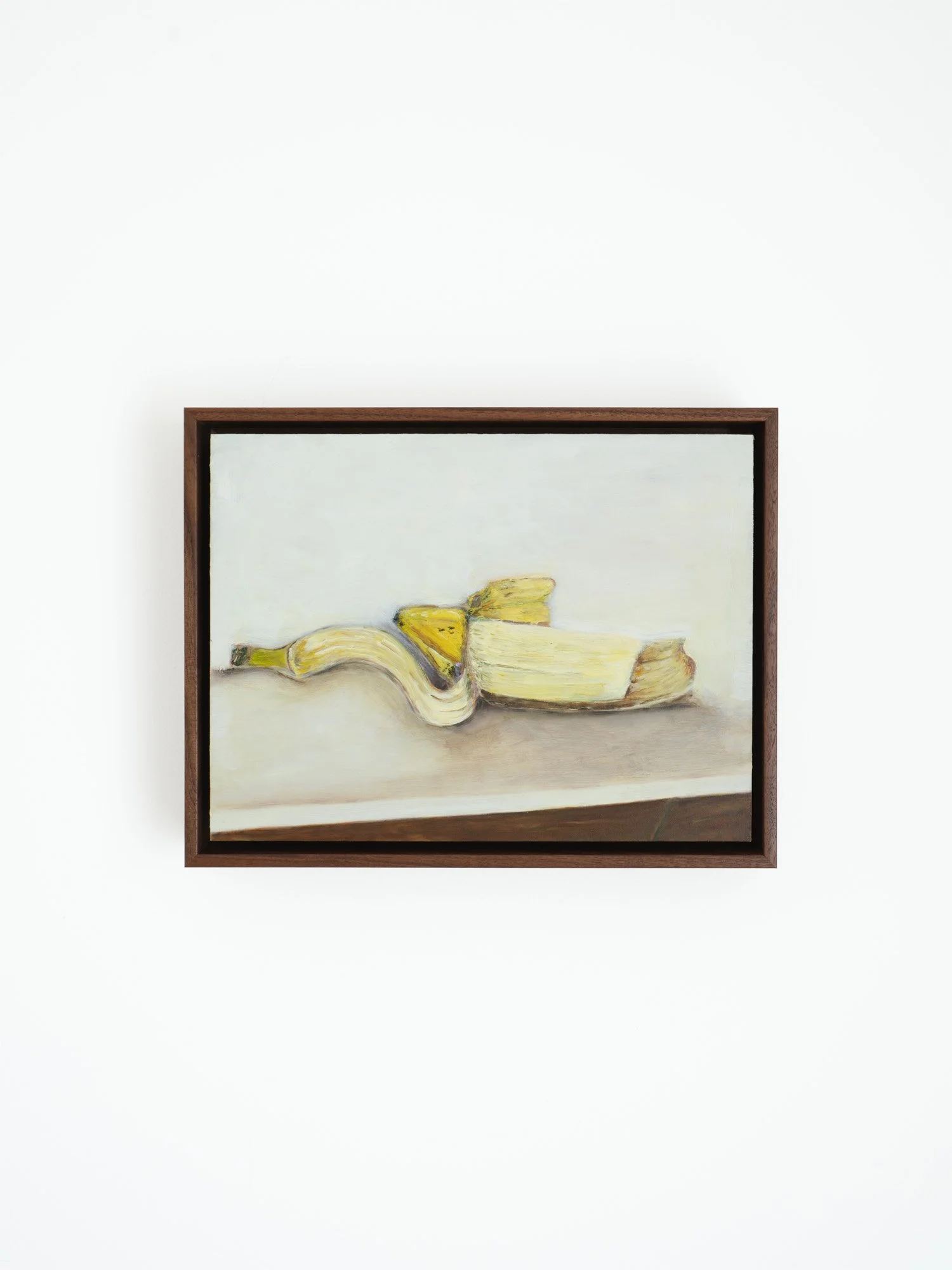
Kate LeSueur
A Forgotten Banana, 2026
Oil on linen panel
9 x 12 inches
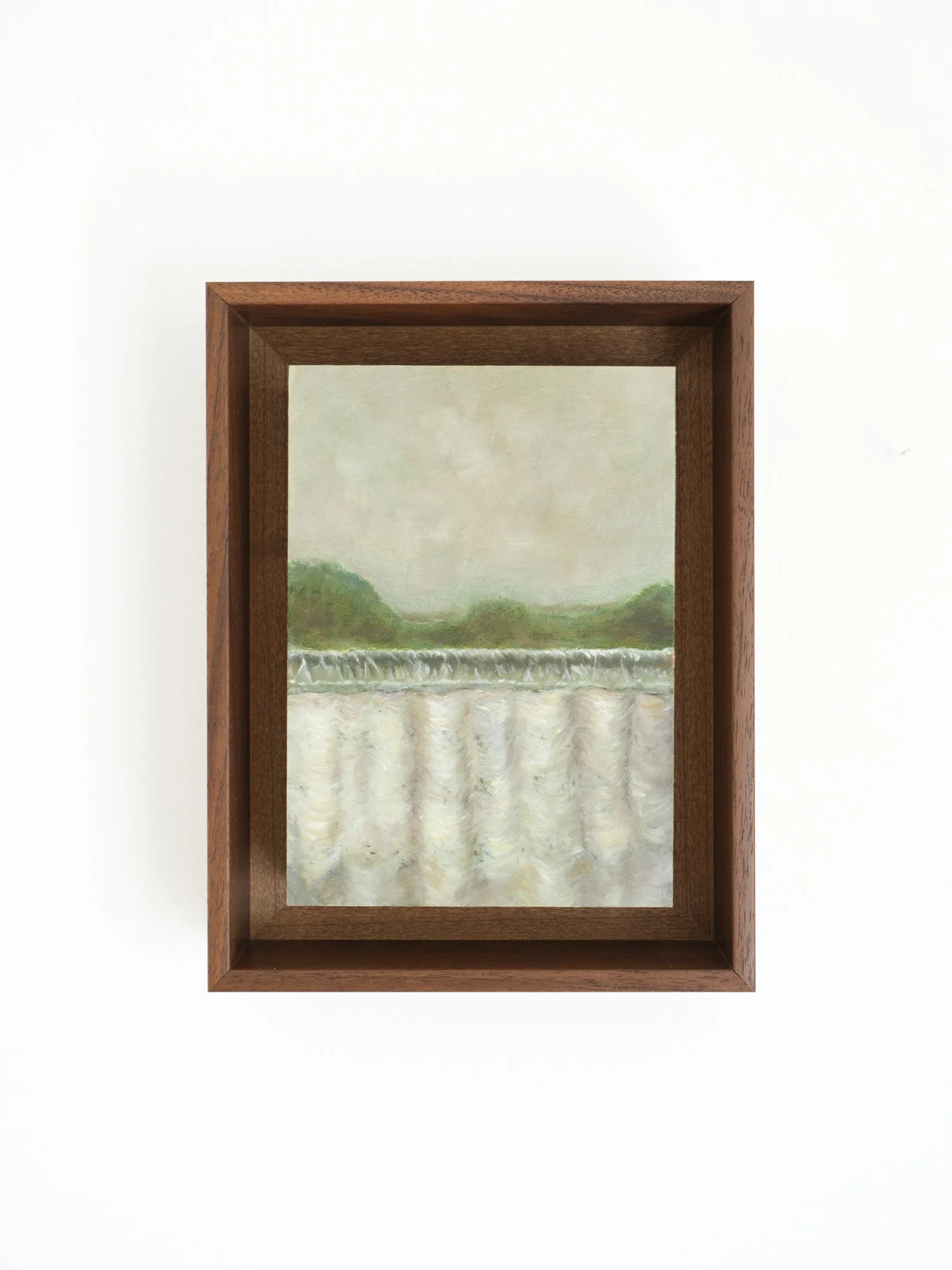
Kate LeSueur
View from the Bath, 2026
Oil on linen panel
5 x 7 inches
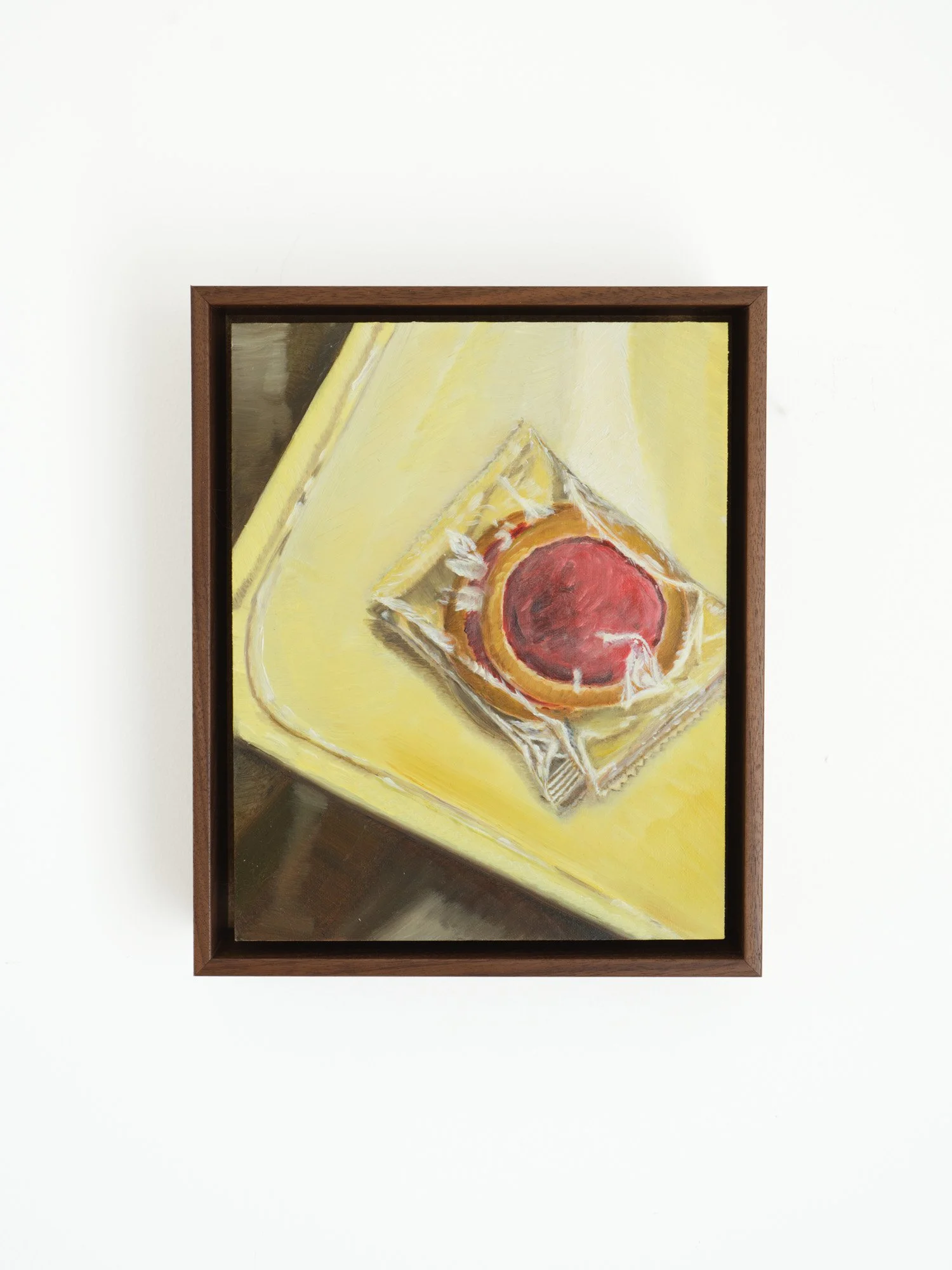
Kate LeSueur
Jelly Cookies, 2026
Oil on linen panel
8 x 10 inches
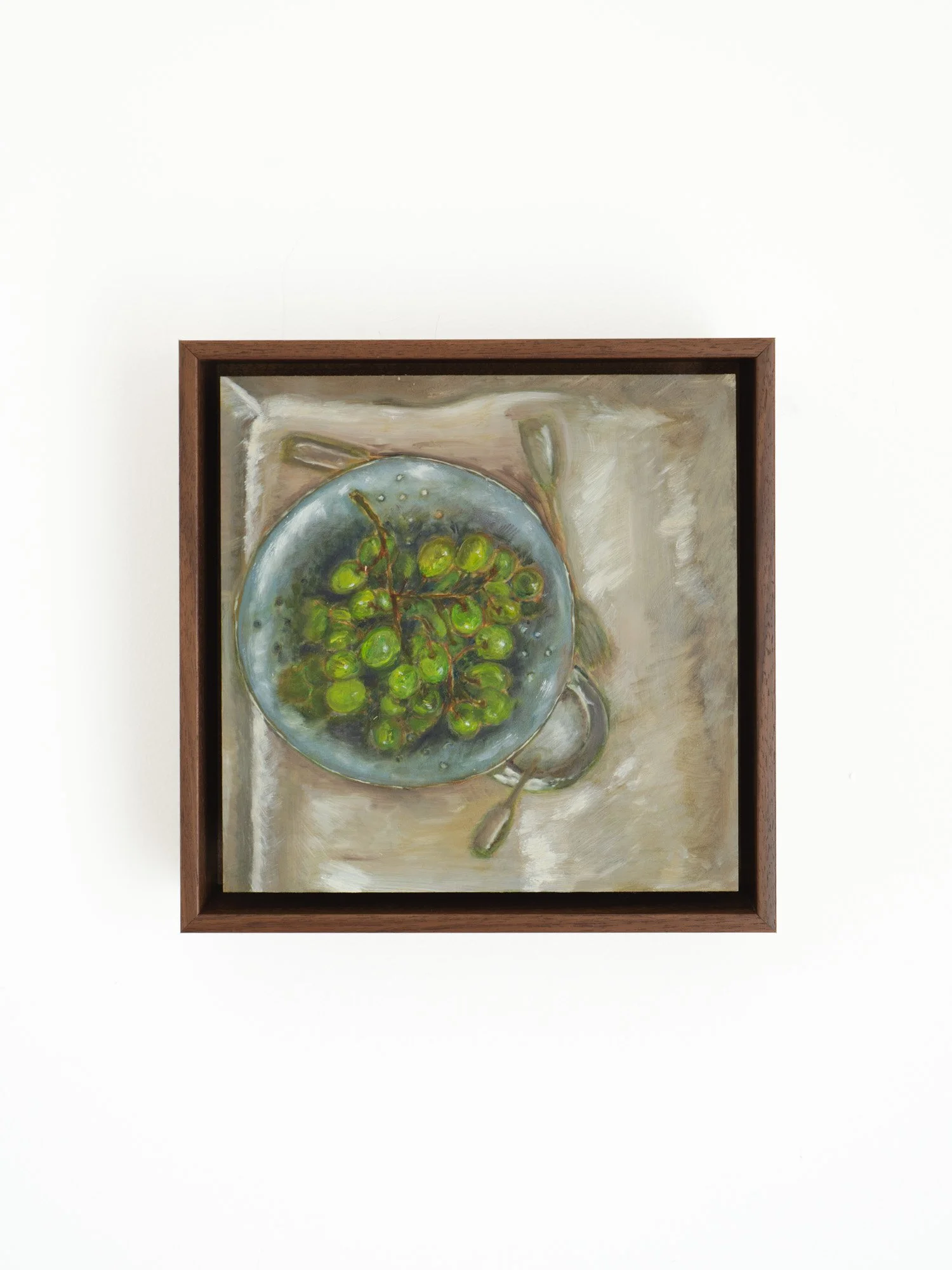
Kate LeSueur
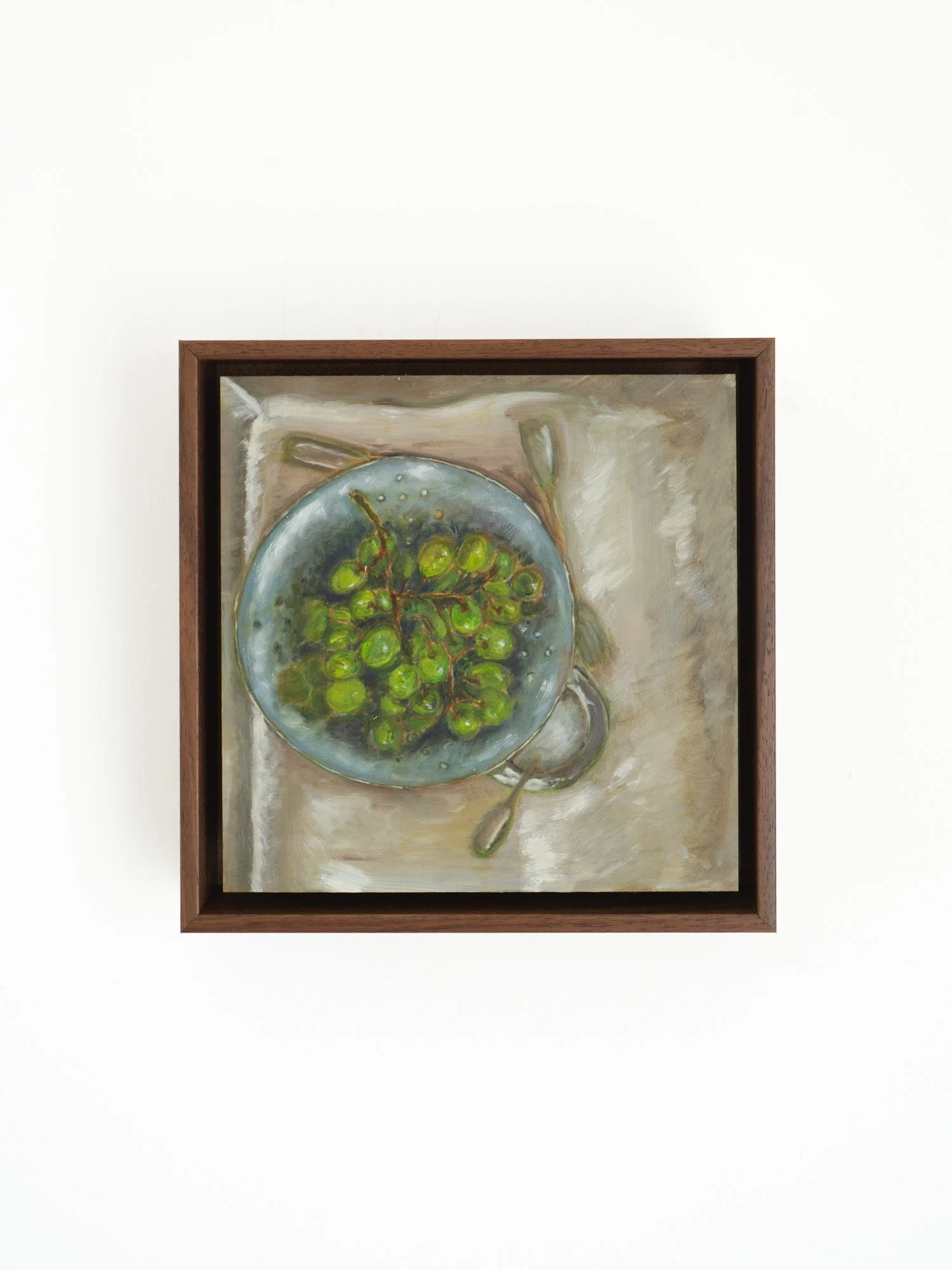
Grapes in Sink, 2026
Oil on copper
8 x 8 inches
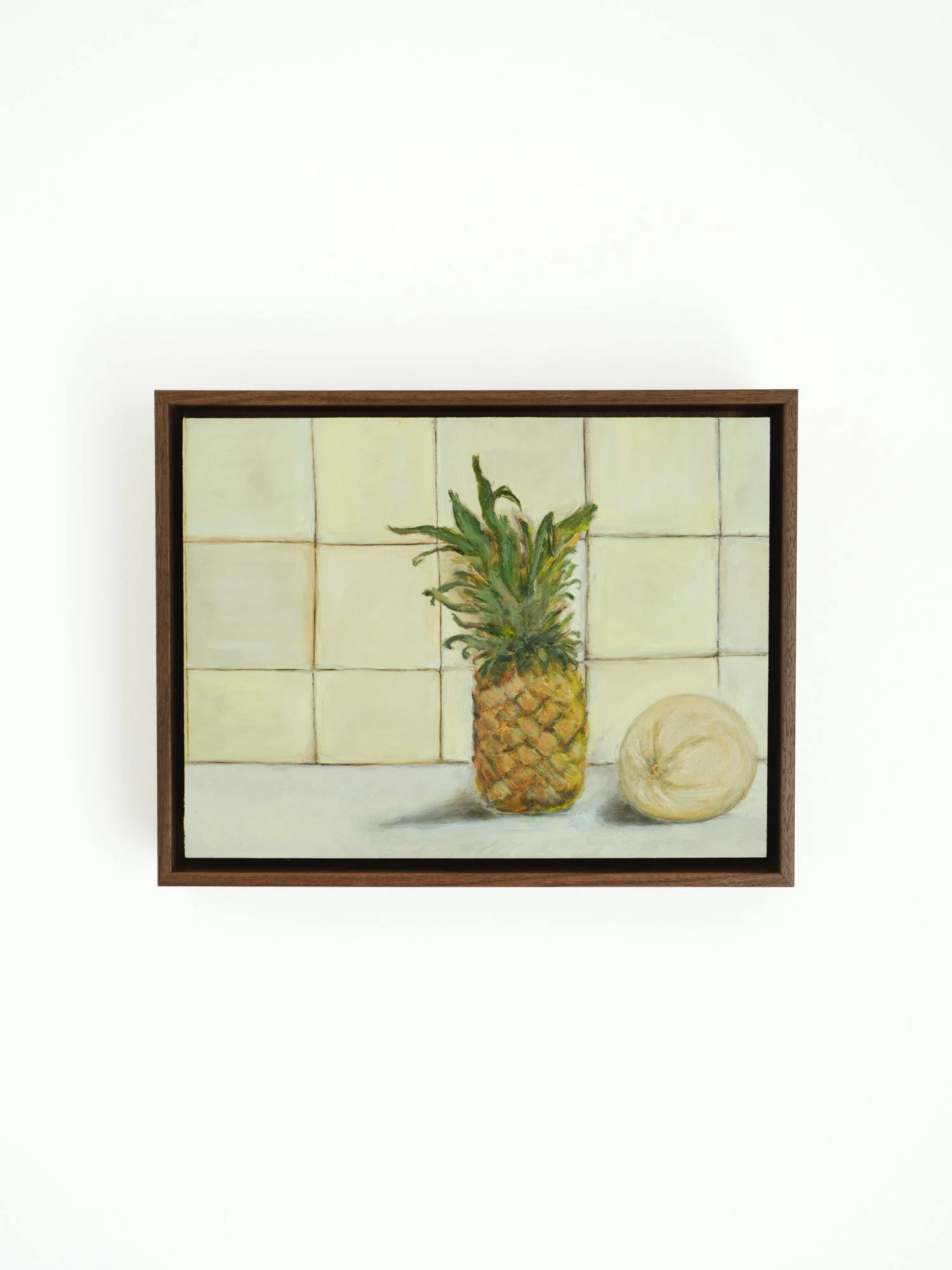
Kate LeSueur
A Pineapple and a Melon, 2026
Oil on copper
9 x 12 inches
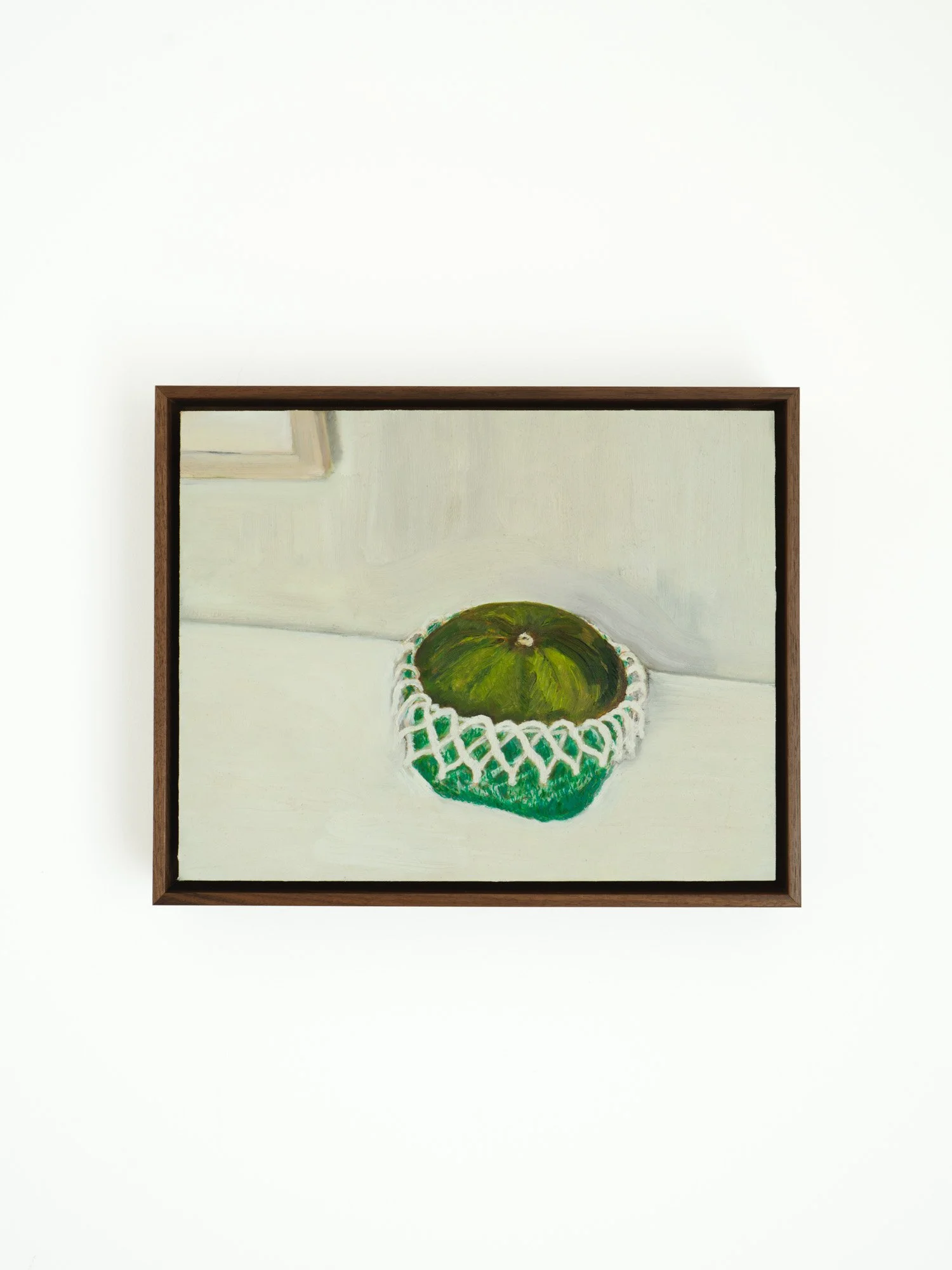
Kate LeSueur
Pomelo, 2026
Oil on linen panel
11 x 14 inches
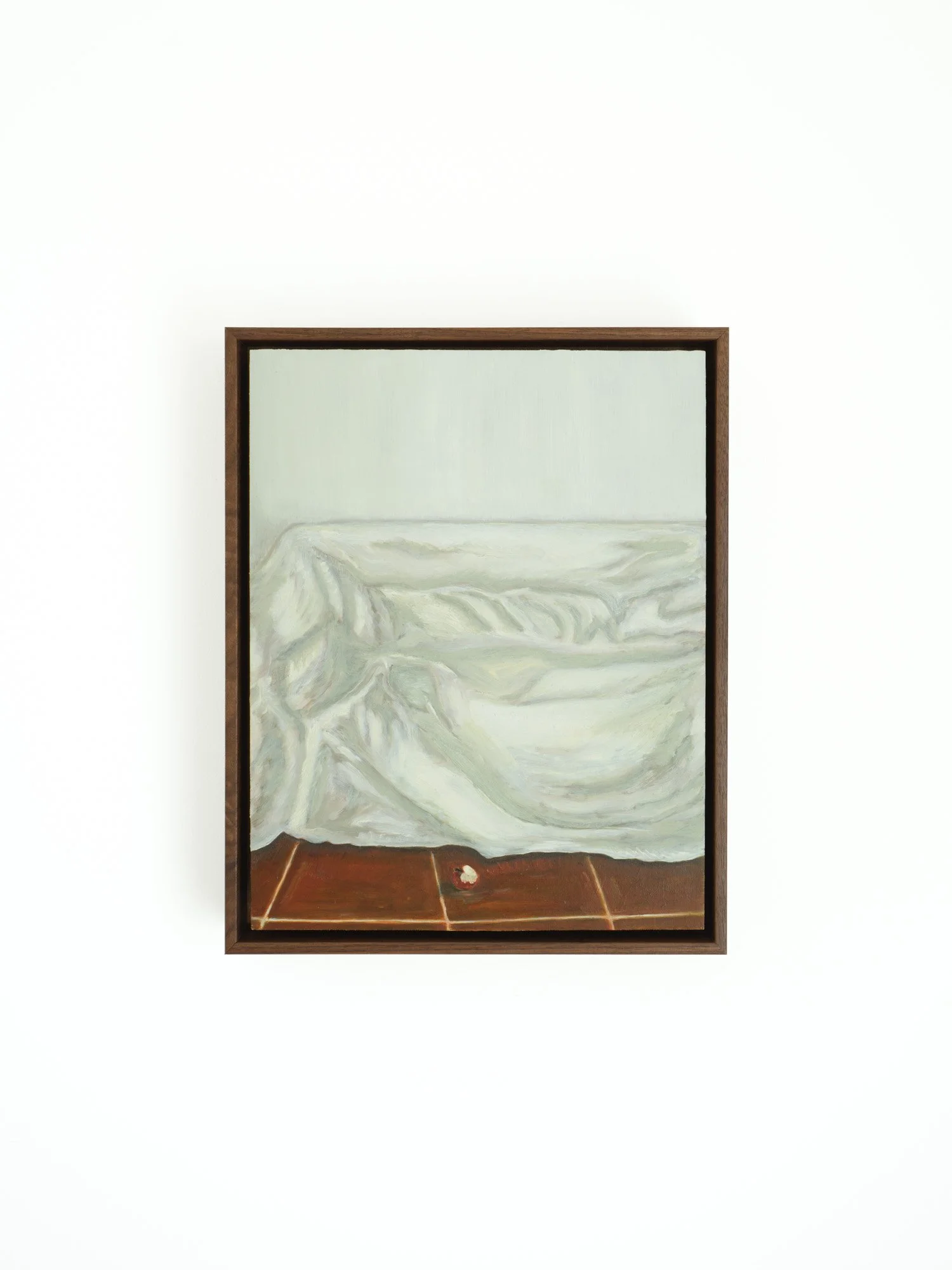
Kate LeSueur
Apple on the Floor, 2026
Oil on linen panel
11 x 14 inches
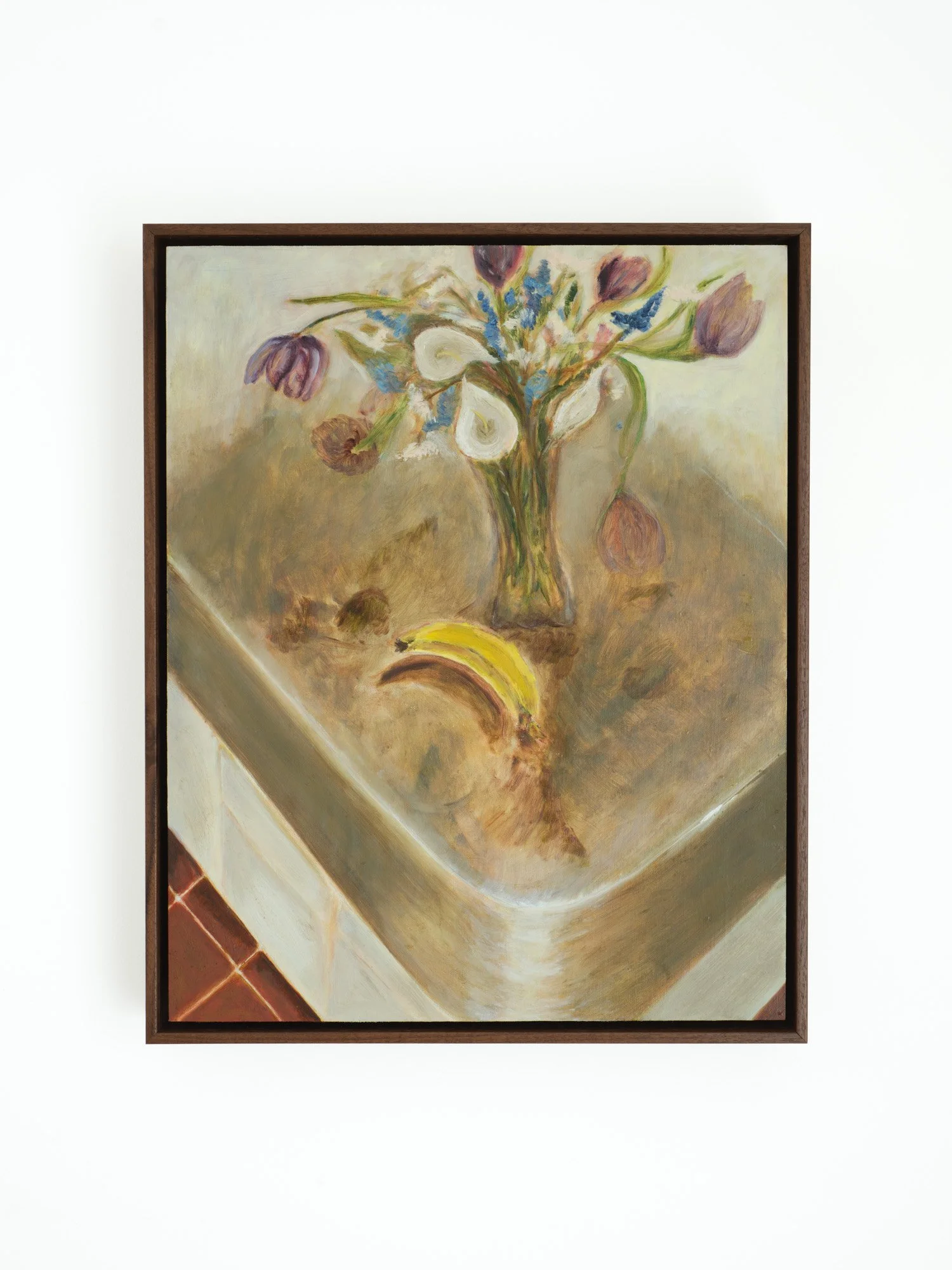
Kate LeSueur
Banana with Flowers, 2026
Oil on linen panel
16 x 20 inches
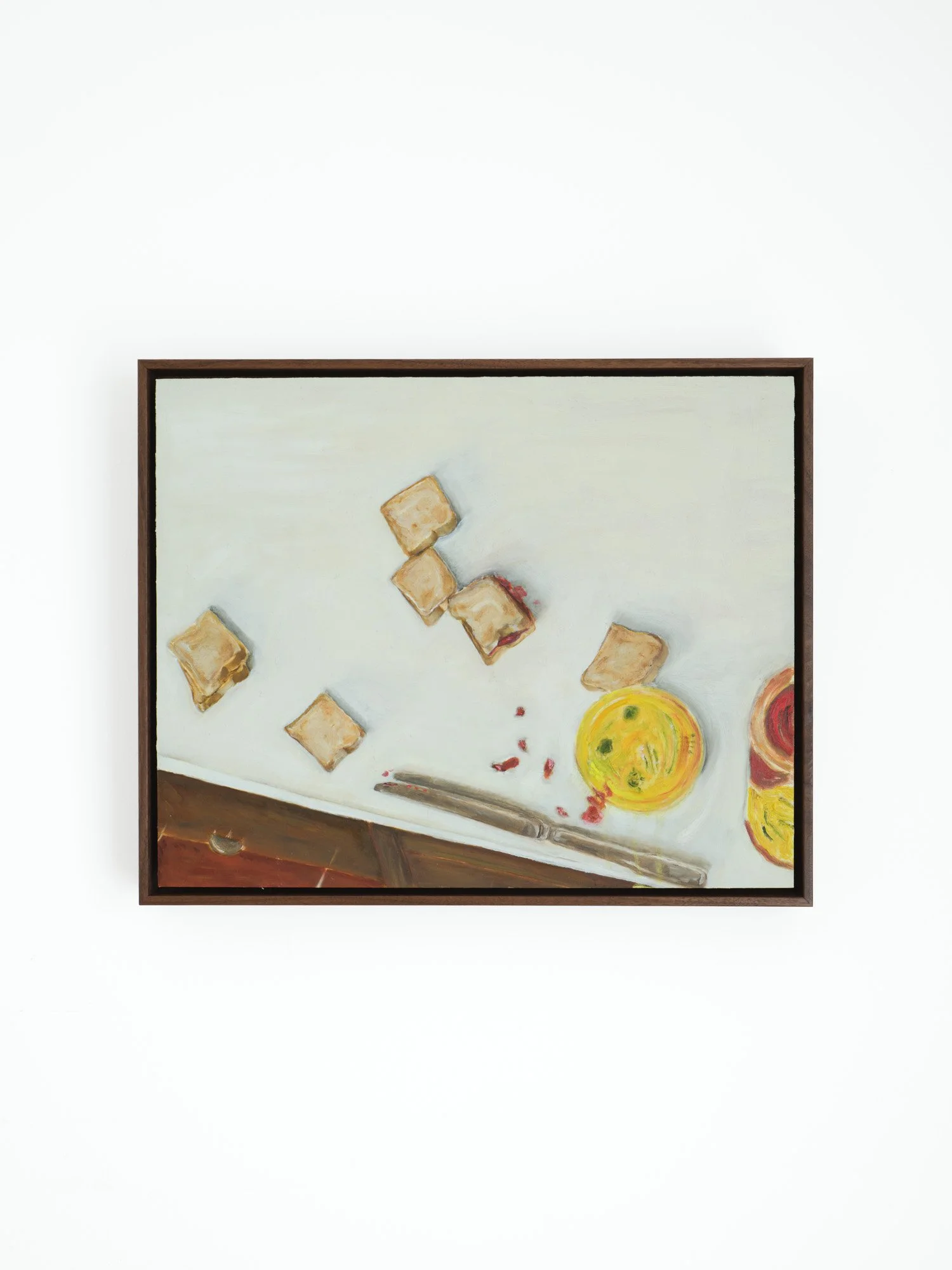
Kate LeSueur
A Boy's Snack, 2026
Oil on linen panel
16 x 20 inches
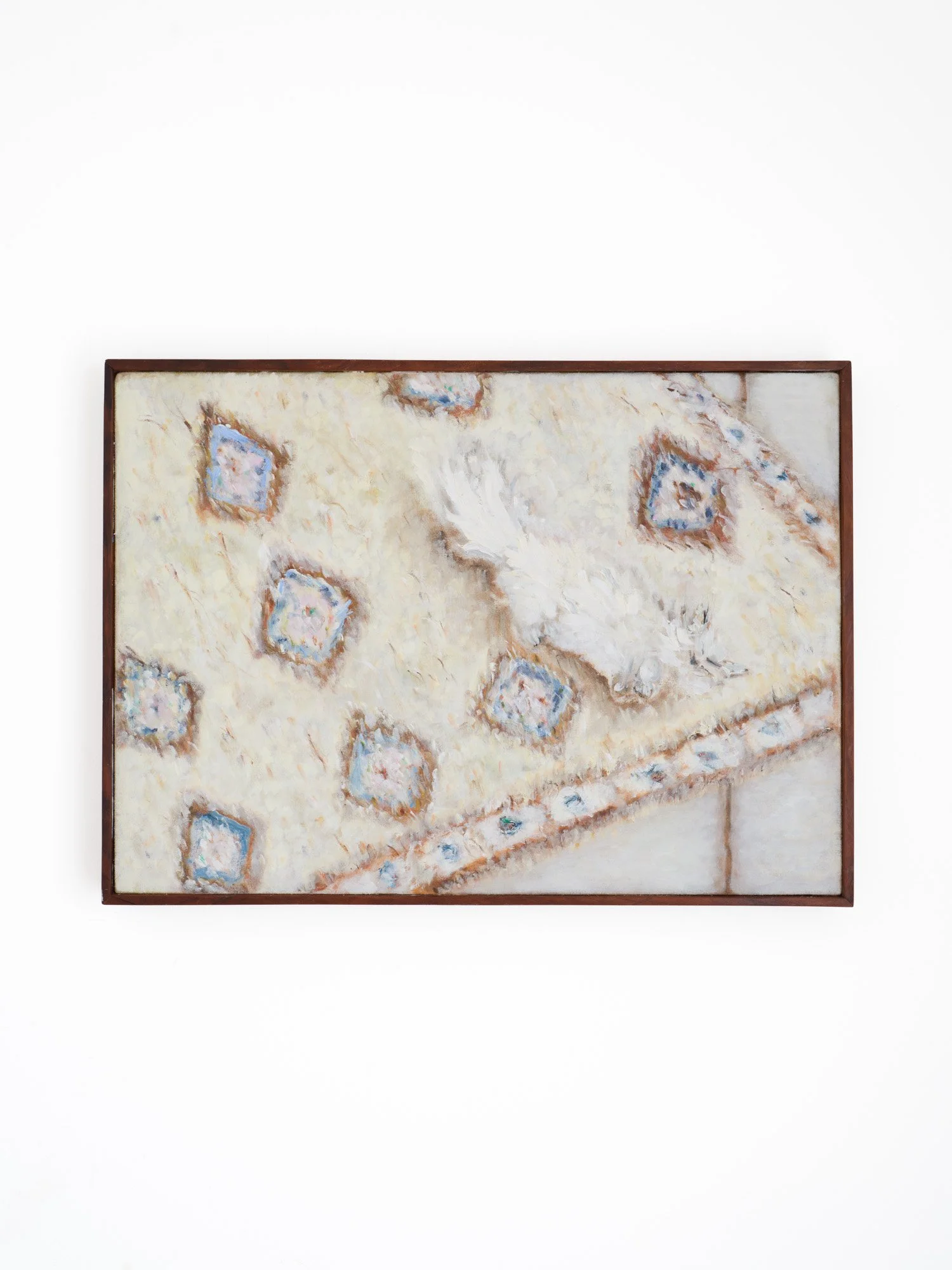
Kate LeSueur
Napping Cat, 2026
Oil on linen over panel
24 x 17 inches