
Aftertaste
A solo exhibition by Sam Keller
July 18-August 29, 2026
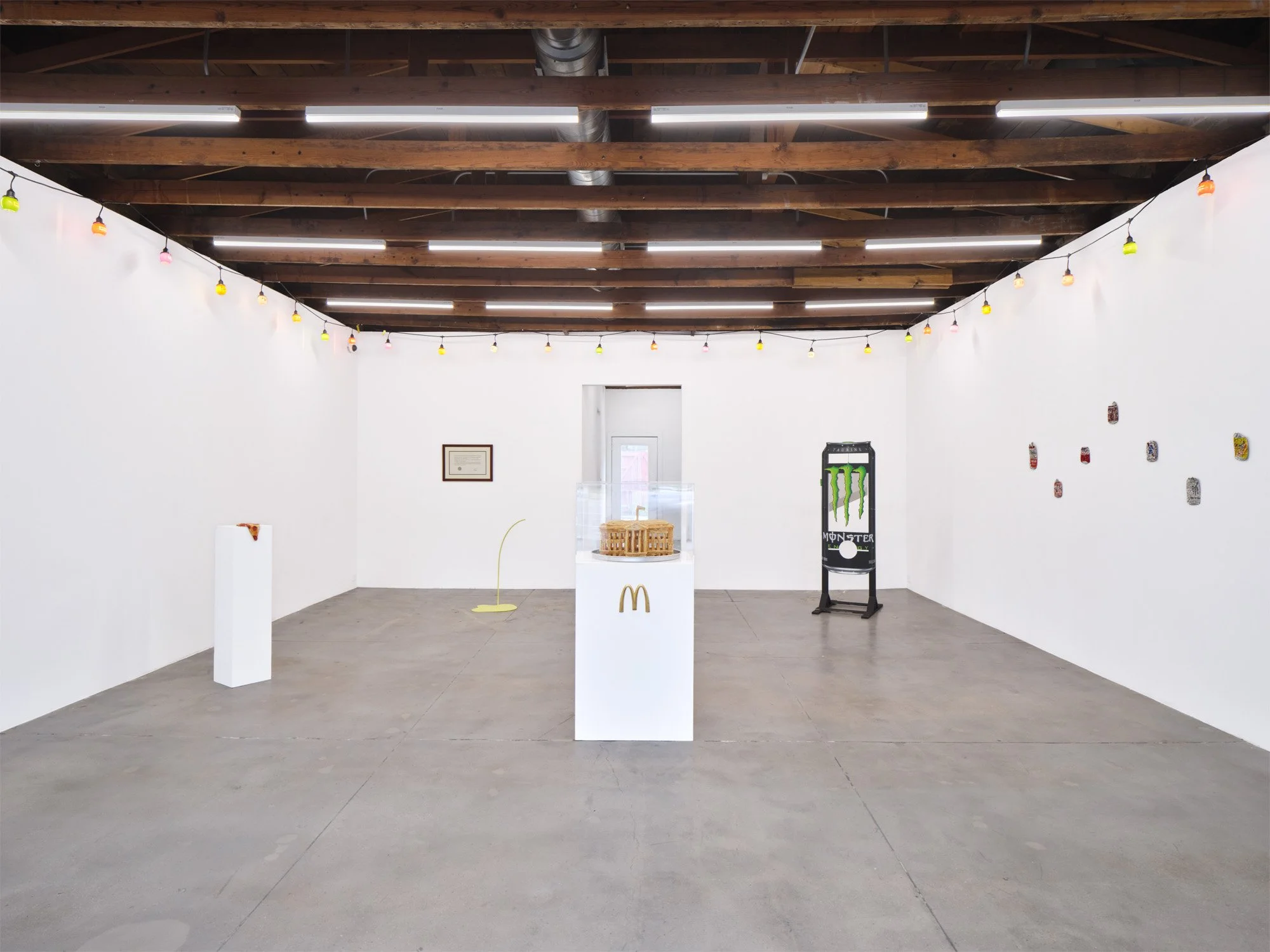
Sam Keller’s exhibition Aftertaste takes the form of a convenience store, with wares and comestibles on offer, and nods to the security features ubiquitous to these spaces. His convenience store is one of fantasy: it’s Springfield’s Kwik-E-Mart; it’s the 7-11 that you mobbed with your high school classmates on a Saturday night; it’s the Bodega that was shut down after selling THC openly; it’s the Buc-ee’s that you missed the exit for. It’s a place where the fun you have might leave you with a bad taste in your mouth.
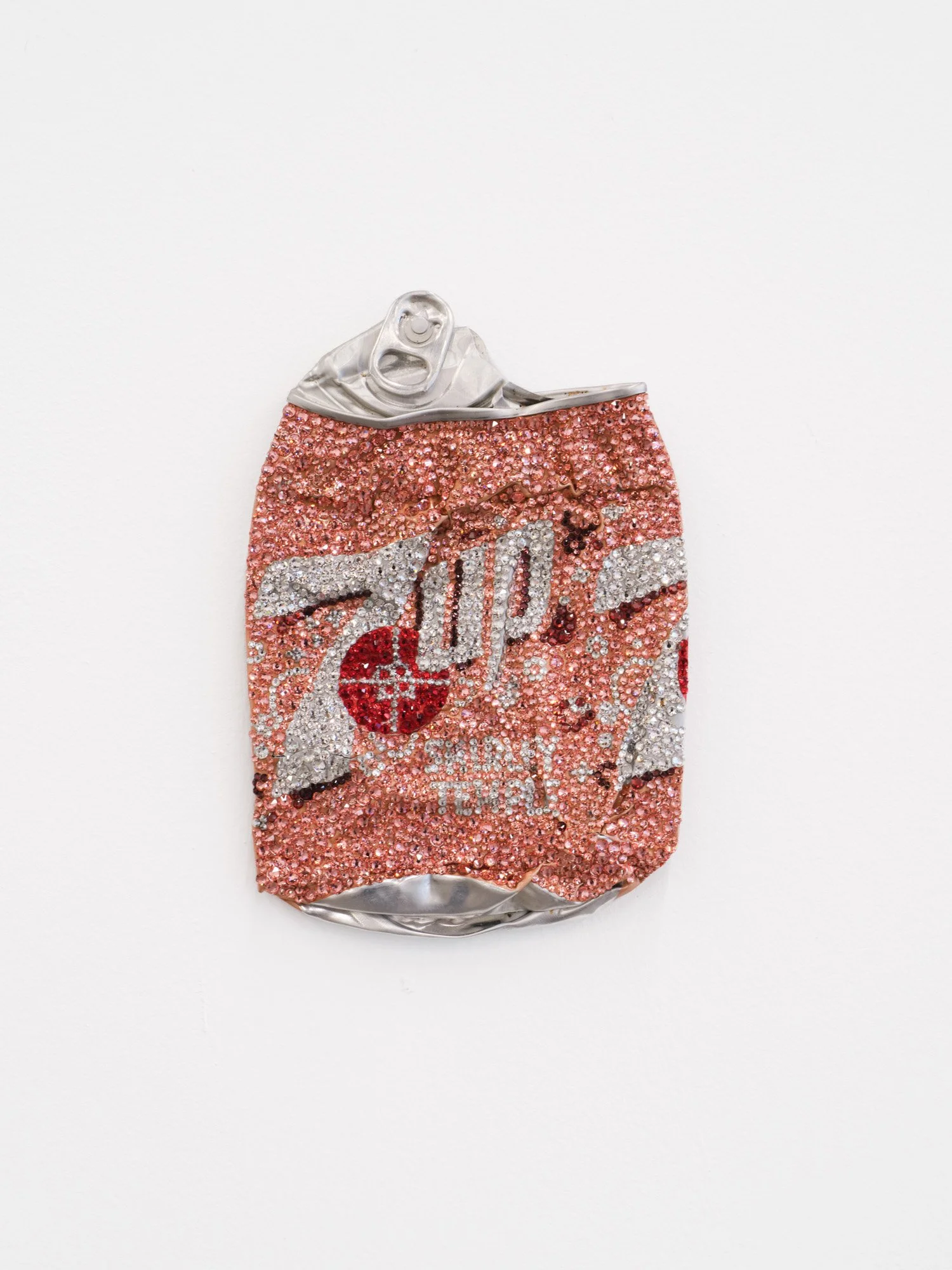
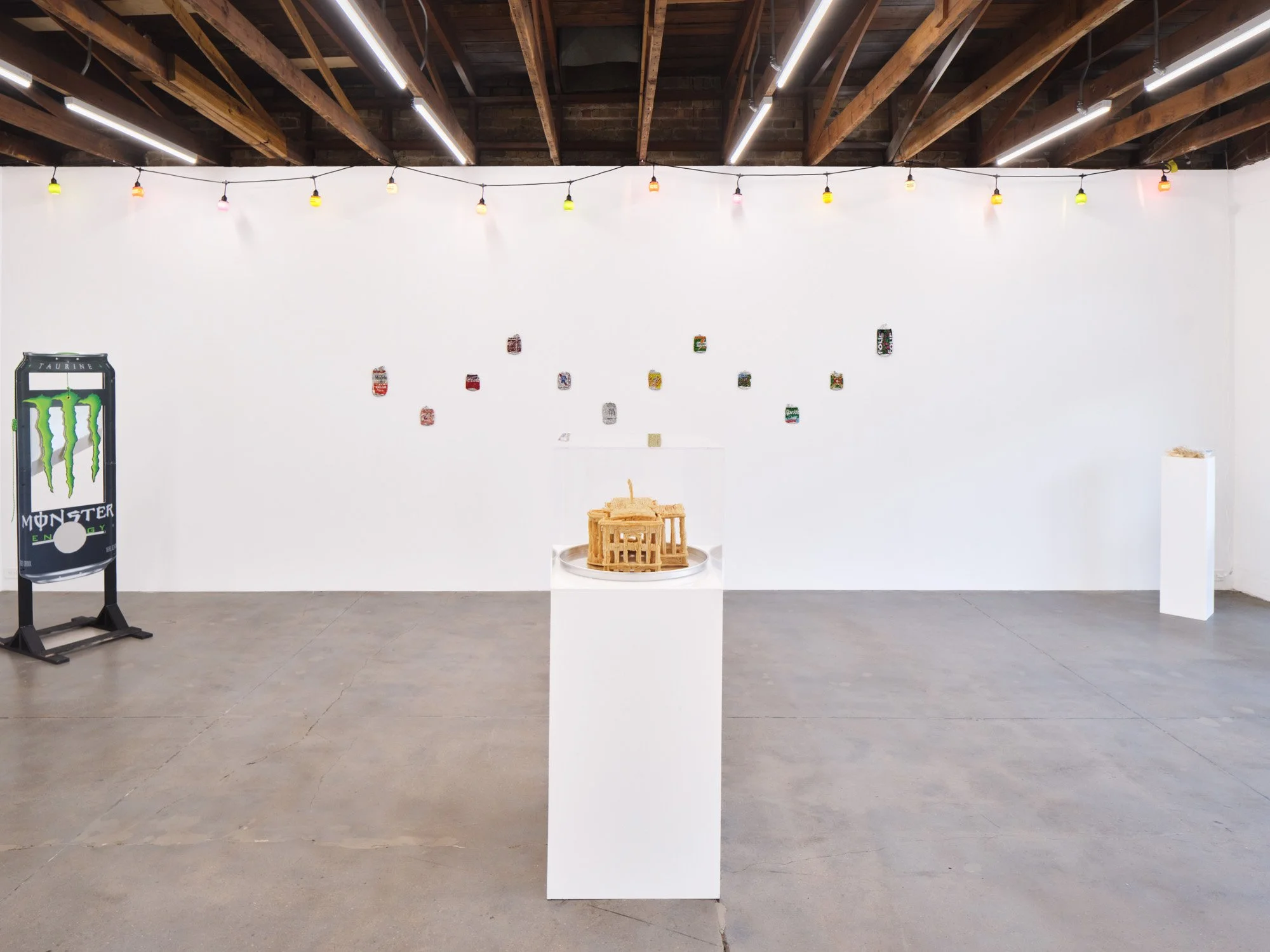
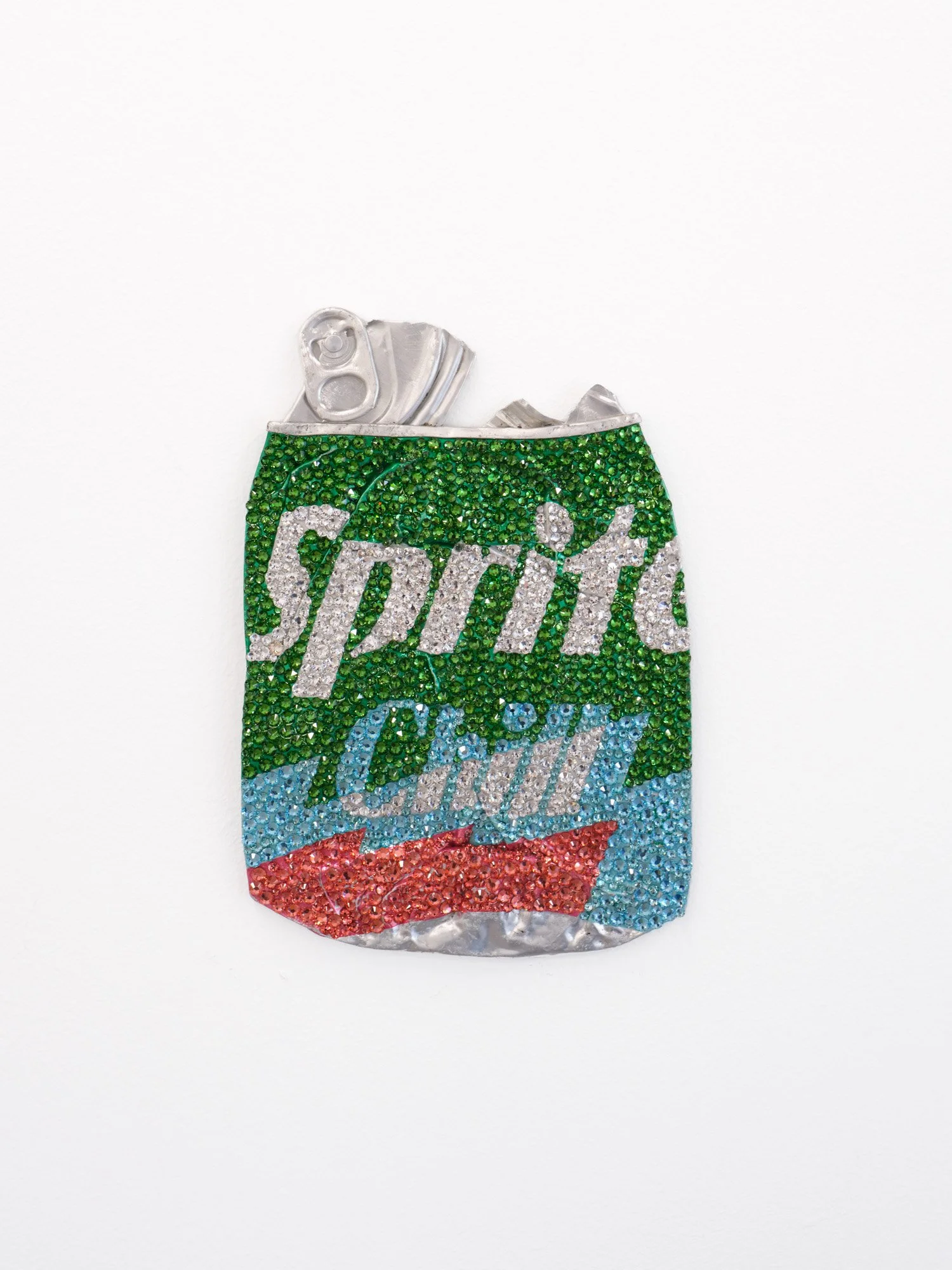
The works in the show point openly to consumption. Keller, who is known for his bedazzled crushed Cans, has long worked with food as material and subject. He often utilizes the packaging of consumer goods, as with his Cans or Buzzball patio lightz. His practice transforms contemporary found objects into artworks in conversation with the readymade or junk art as well as post-consumer waste and the urban street. He also works with foodstuffs themselves, as seen here in Ancient Grease, a model of the White House made from McDonald’s fries. Also on view is Sad slice, a bronze cast representing a pizza slice, painted in the reds, oranges, and browns that create the effect of an abandoned slice of pie. Because Keller uses food products as sculptural material, this trompe l’oeil object initiates a double-take, where the viewer wonders if this might be a dried-out leftover. A plastic model tree causes a similar effect: made from PVC pipe and the faux pine of architectural models, it looks like a toy or hobbyist’s miniature with JUUL vape spikes as the artist’s intervention. On closer look, though, the sculpture does not depict a tree, but rather a cell tower. It is a newer aspect of the landscape that, while unnatural, has become naturalized in its widespread adoption. The work points to the consumption of nicotine and cell networks, both highly addictive conveniences.
As with the experience of wandering a convenience store, it is always best to read labels. Keller’s titles create friction with his works, bringing attention to subtexts and references, sometimes changing the meaning of the works entirely. The titles of his PVC pine tree, How bad for you could it be?, and pizza sculpture, Sad slice, are jocular and cynical. Other works in the show appear first as modernist sculptures, only later revealed as suspicious through titling. A wall-mounted thin sculpture, painted in primary colors with numbers, looks like a hard-edge minimal installation, but Height Indicator Stick reveals its use as a tool of surveillance: a measuring stick similar to those installed in convenience stores to assist clerks with estimating the height of a suspect who moves past the door-side poll when fleeing the scene. A free- standing vibrant lemon steel sculpture of an organically shaped base with a single curved tine emerging upward seems in dialogue with Anthony Caro’s 1960s sculptures. Its title, Taking the piss, subverts the self-seriousness of modernist sculpture, calling attention to its hip-height spire’s downward momentum that puddles at its base. Similarly, Keller presents his RISD BFA diploma, the equivalent of a standard operating license for a contemporary artist. Only on close inspection, and with the aid of the title, Double-signed diploma, does the viewer notice that on the line for the [university] president’s signature, the artist has signed it himself, playing with the idea of the artist’s signature authenticating a work and the value of institutional legitimization.
At its core, the exhibition addresses the commodification, consumption, and ultimate liquidation of contemporary art. With a sense of humor, Keller pokes fun at sanctified institutions and, with sincerity, elevates the mundane to a position of glory.
This exhibition is lovingly dedicated to the memory of Alex Dijulio, whose wit, joy, and passion for life and art is celebrated here.
Essay written by Maddy Henkin
Aftertaste’s opening reception will be held from 6:00 to 9:00 PM on July 18, 2026, and will be on view through August 29, 2026, Friday-Saturday 12-6 PM, or by appointment.
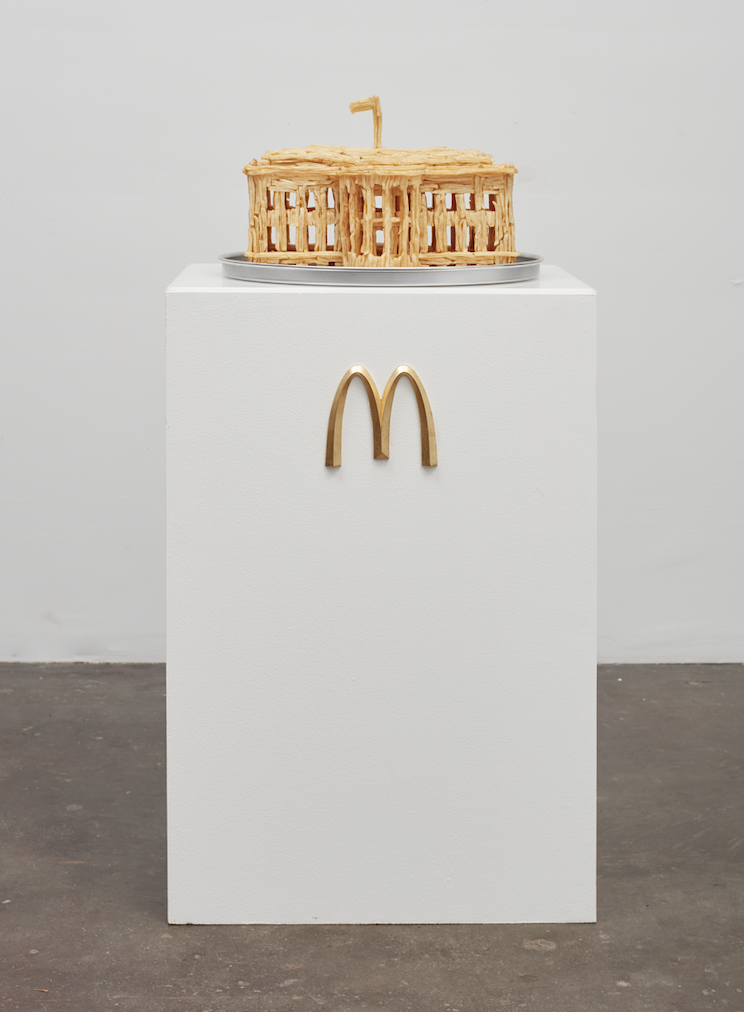
Sam Keller
Ancient Grease, 2026
McDonald’s fries, cyanoacrylate, tray. Custom vitrine with cast plastic and imitation gold leaf detail.
19 x 19 x 16 inches
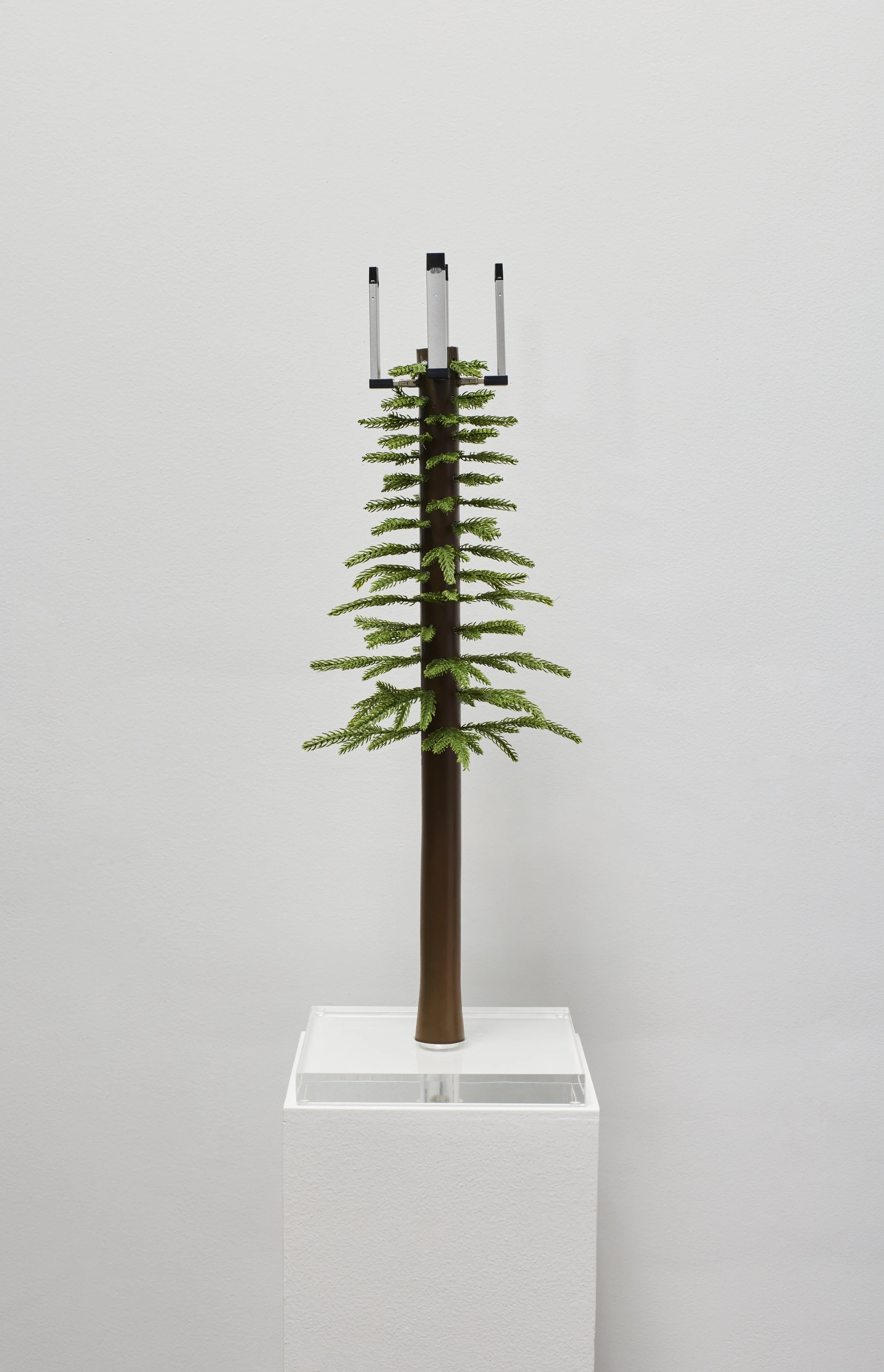
Sam Keller
How bad for you could it be?, 2026
Acrylic, PVC, faux pine, JUUL vapes, wiring, paint.
26.25 x 9 x 9 inches
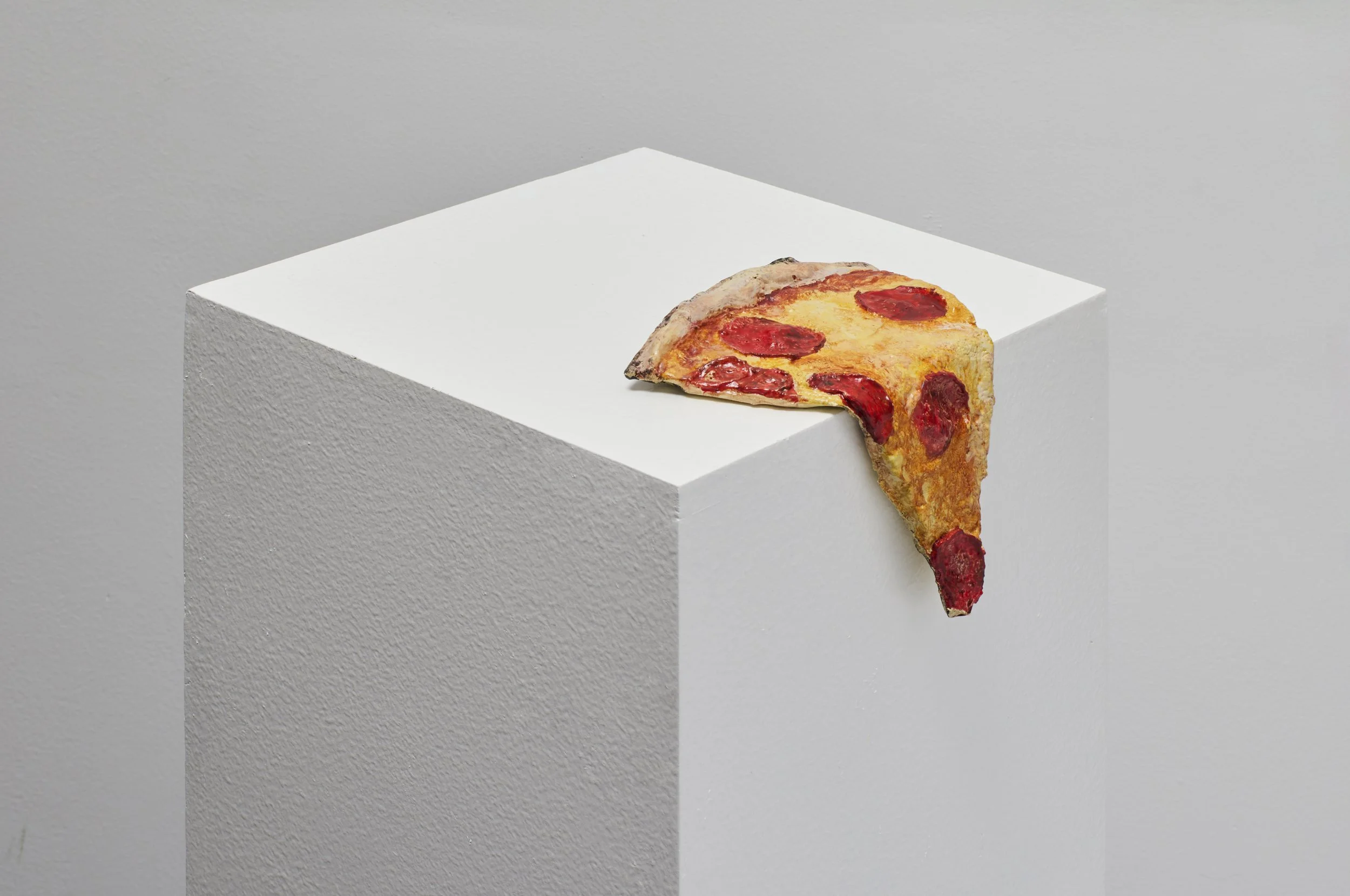
Sam Keller
Sad Slice, 2026
Cast reclaimed bronze, enamel paint.
5 x 6 x 4 inches
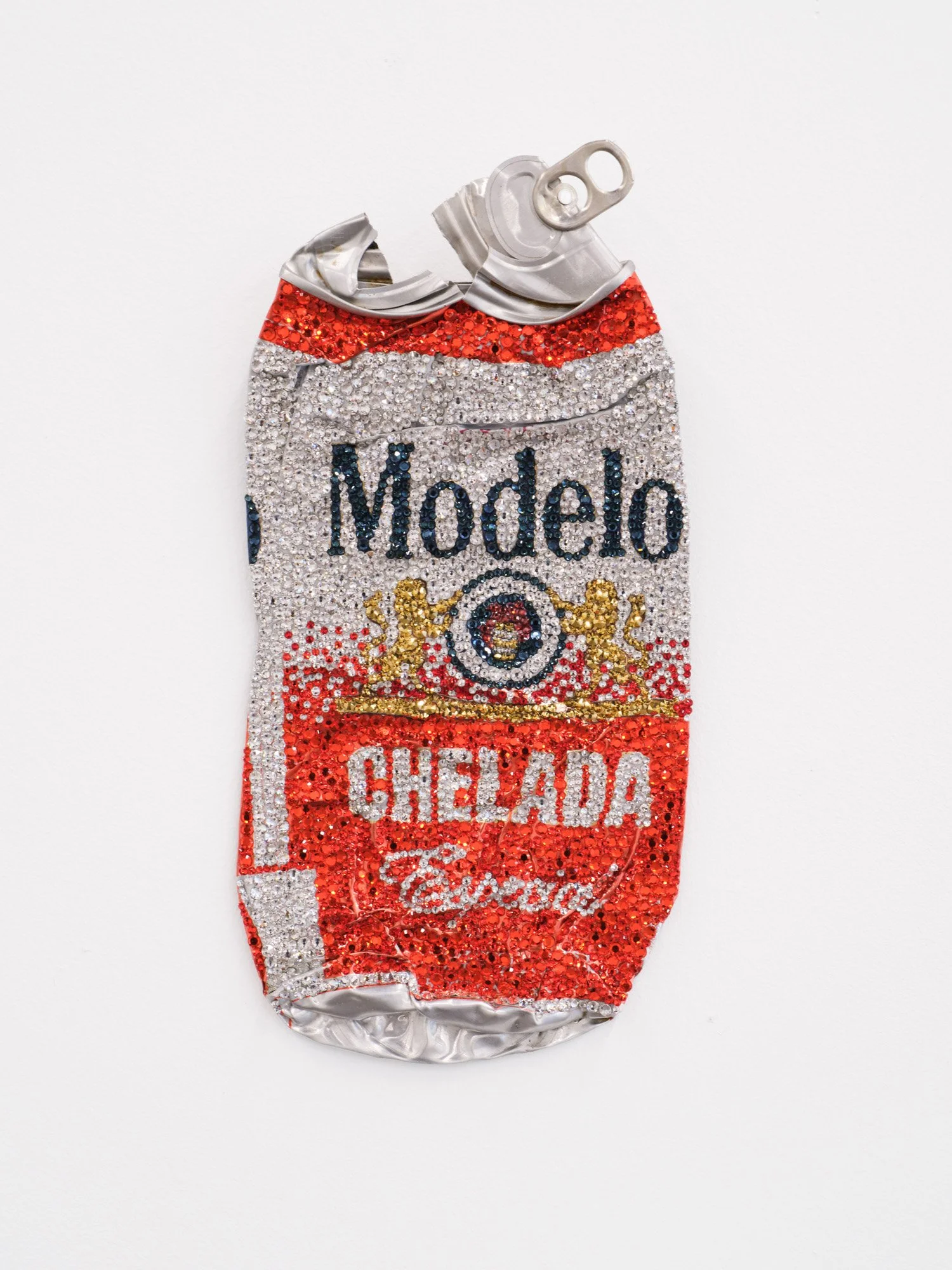
Sam Keller
Can (Modelo Chelada) , 2026
Swarovski crystals on found can.
9 x 4.25 inches
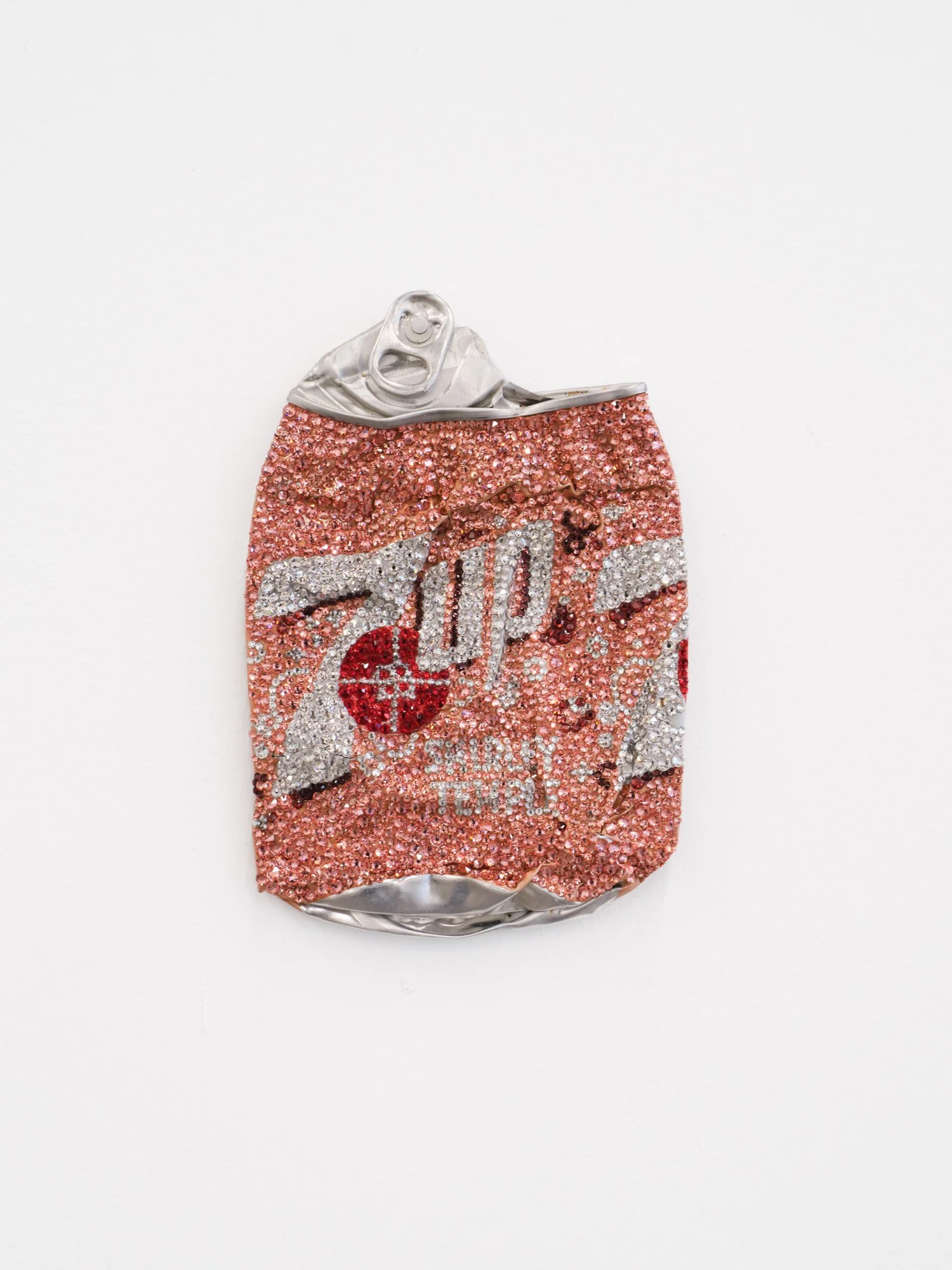
Sam Keller
Can (7-Up Shirley Temple) , 2025
Swarovski crystals on found can.
5.75 x 4 inches
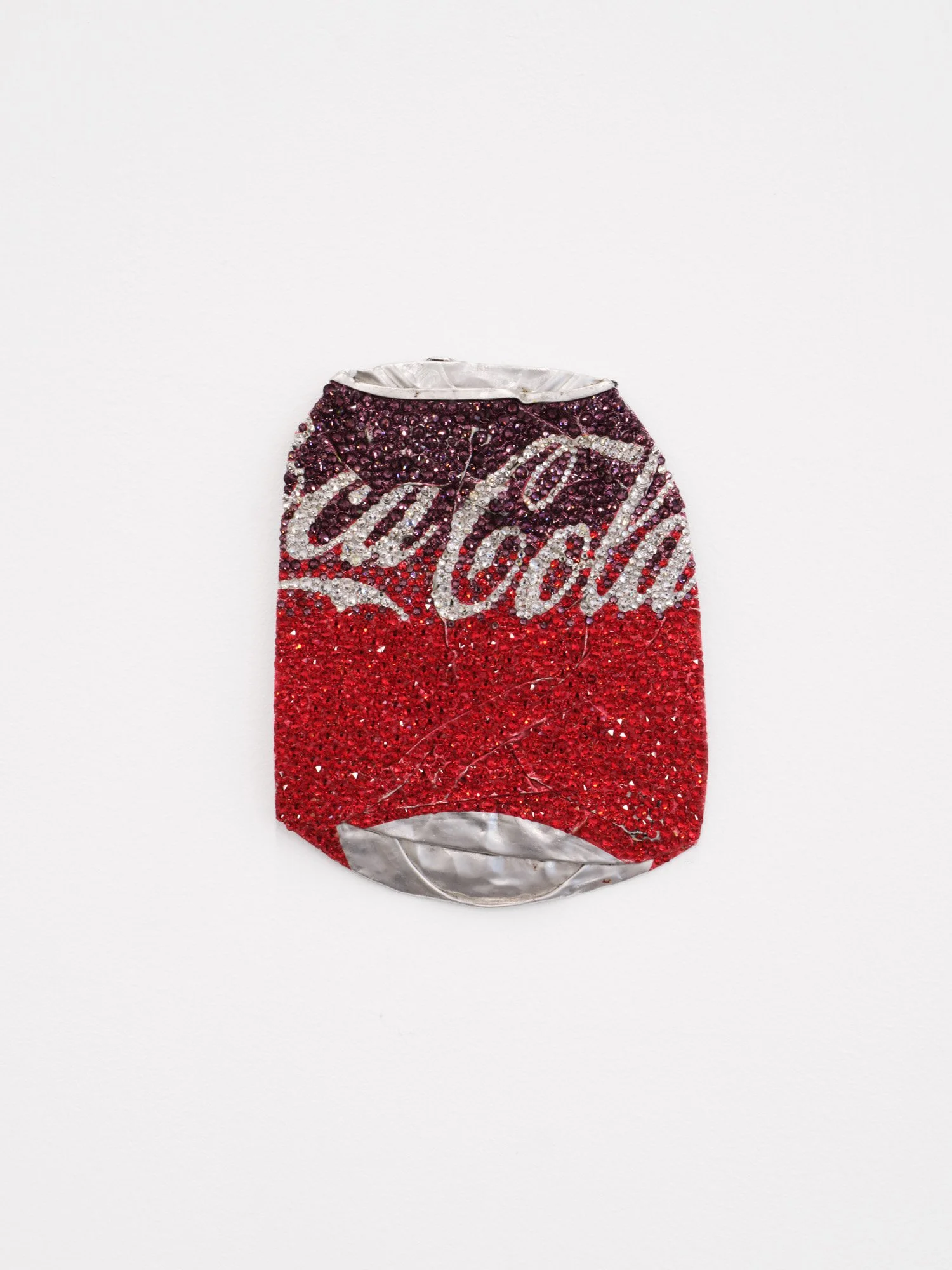
Sam Keller
Can (Cherry Coke), 2024
Swarovski crystals on found can.
5 x 4 inches
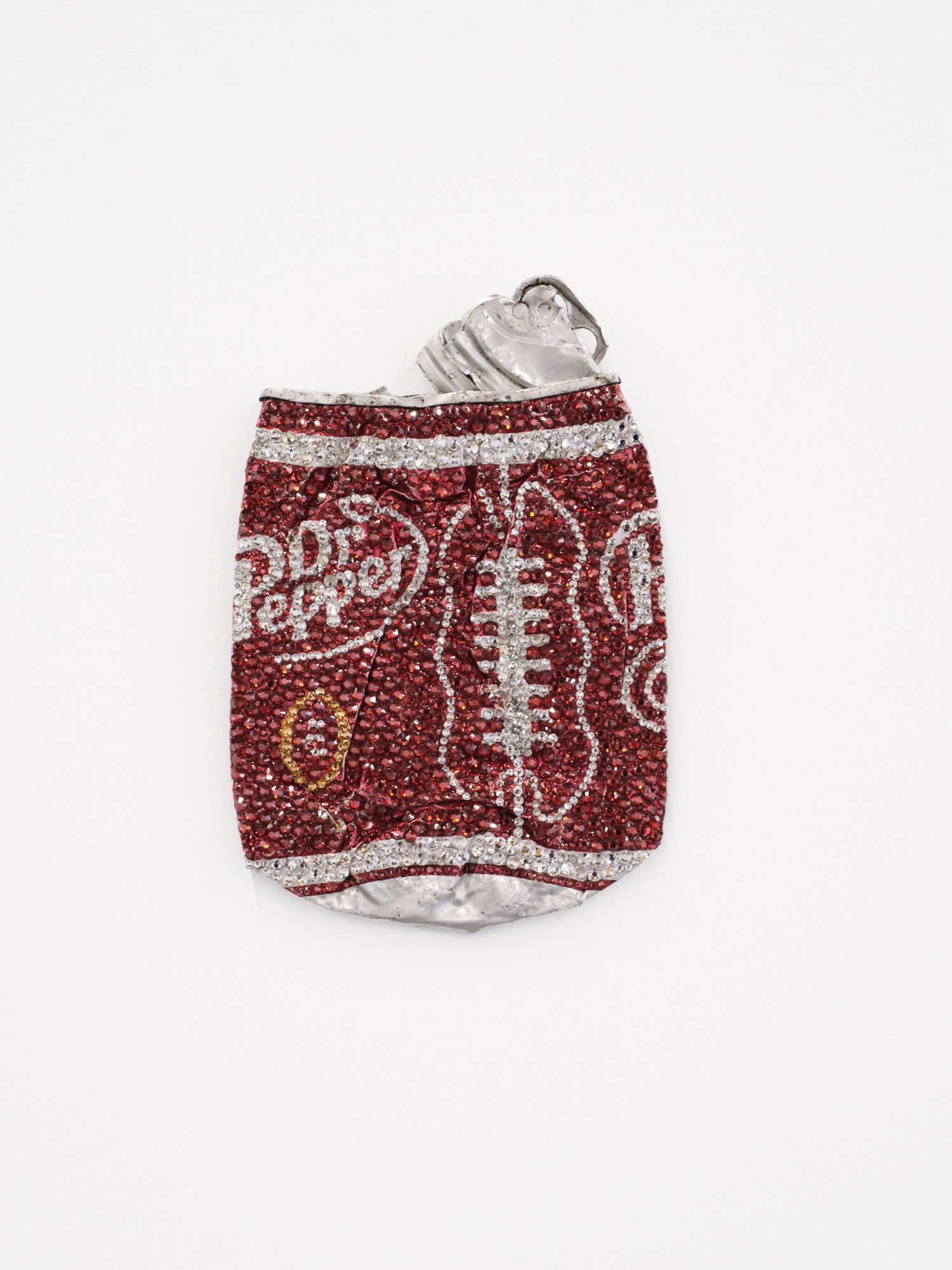
Sam Keller
Can (Dr. Pepper), 2025
Swarovski Crystals on Found Cans
4 x 5 inches
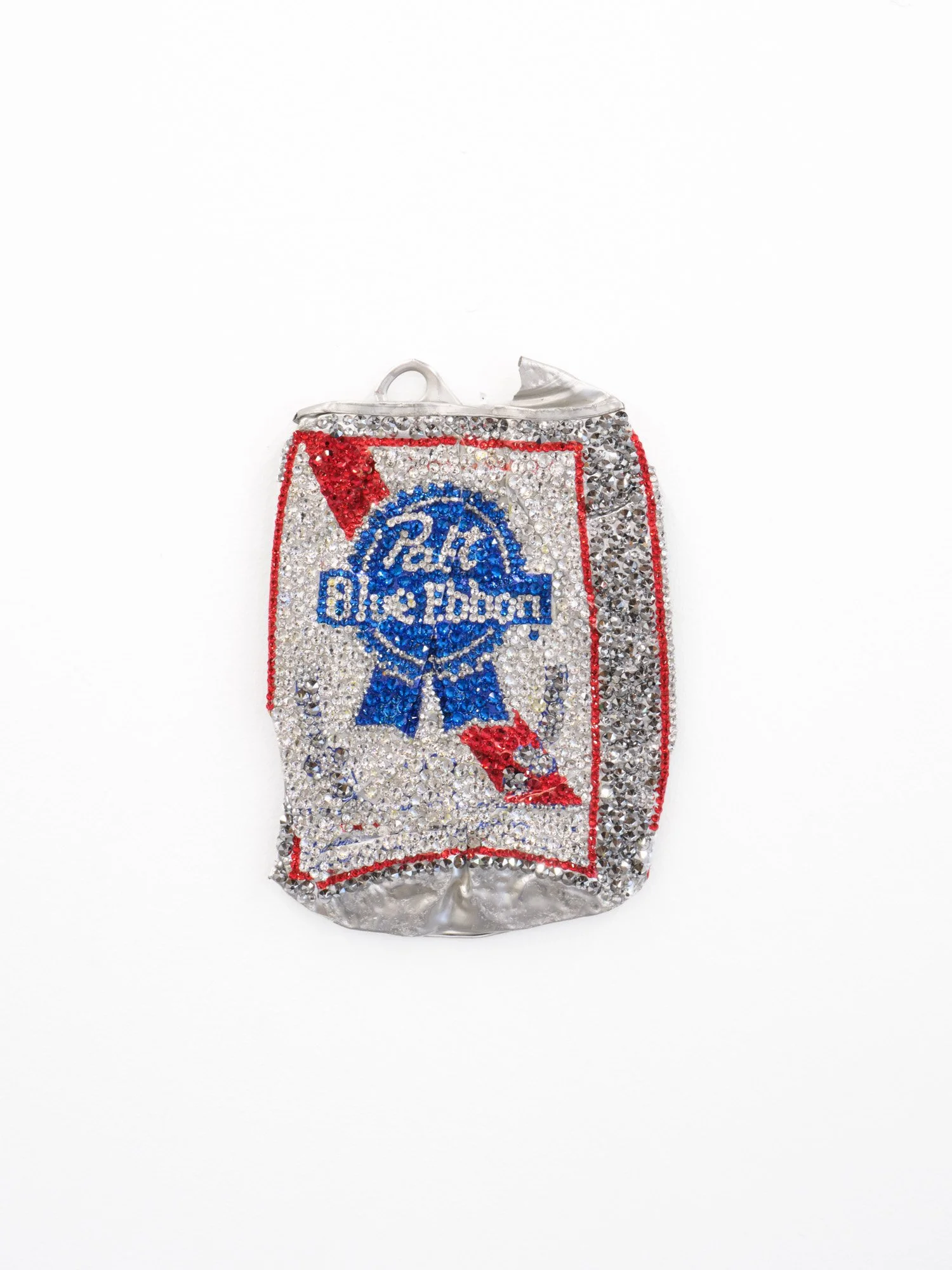
Sam Keller
Can (Pabst Blue Ribbon), 2025
Swarovski crystals on found can.
2.25 x 3.5 inches
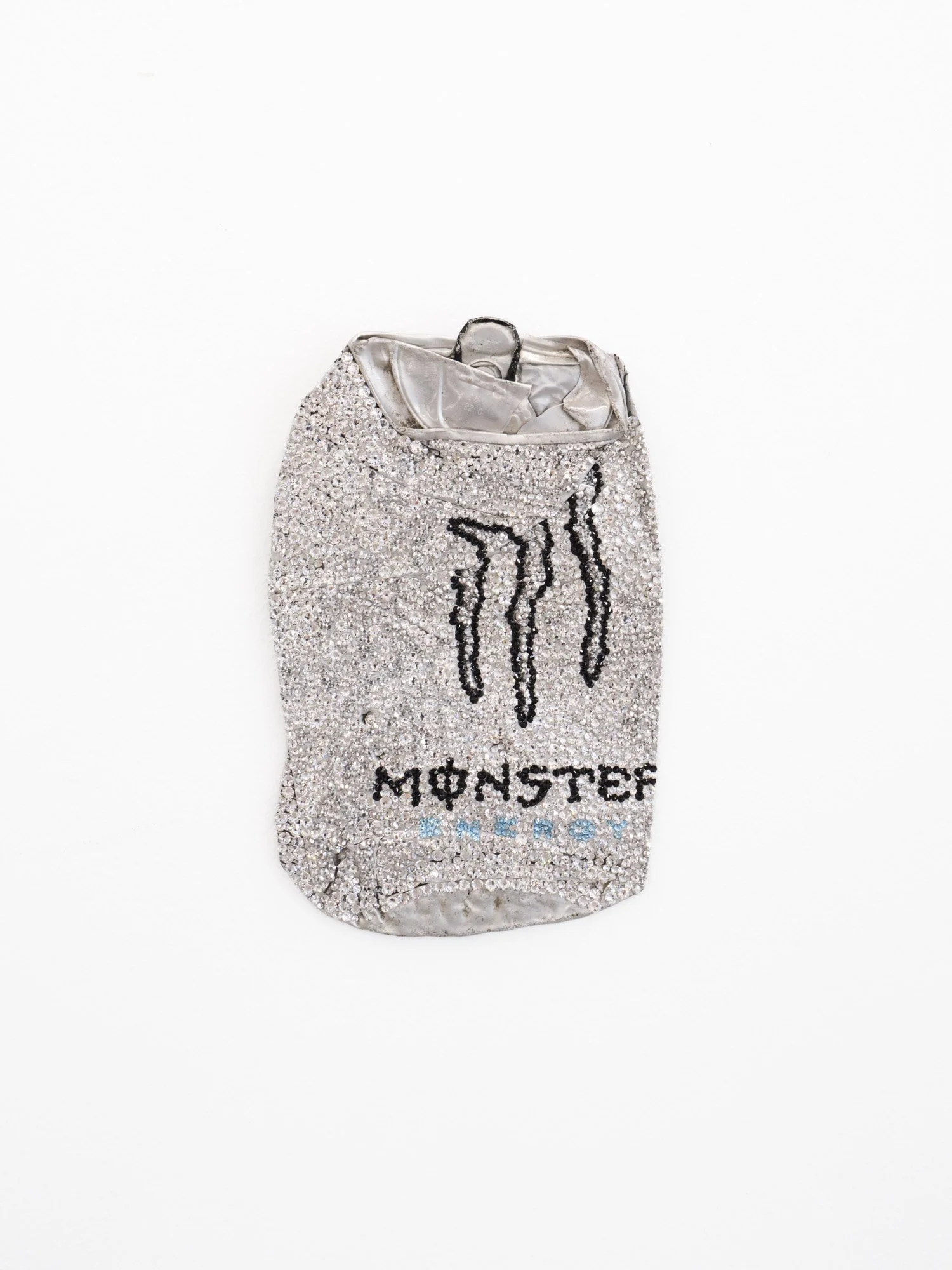
Sam Keller
Can (White Monster) , 2025
Swarovski crystals on found can.
6.25 x 4 inches
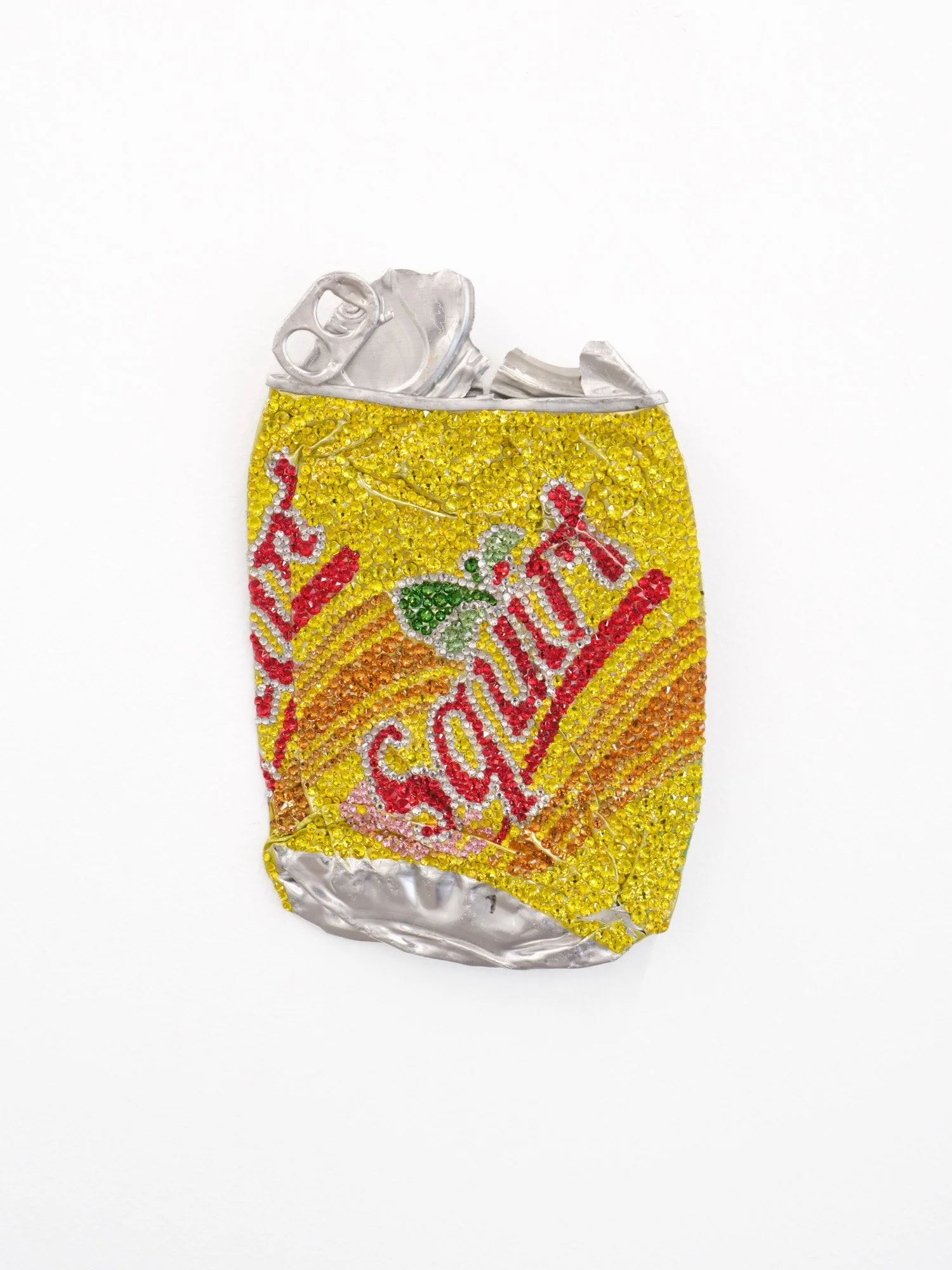
Sam Keller
Can (Squirt), 2022
Swarovski crystals on found can.
5.75 x 3.75 inches
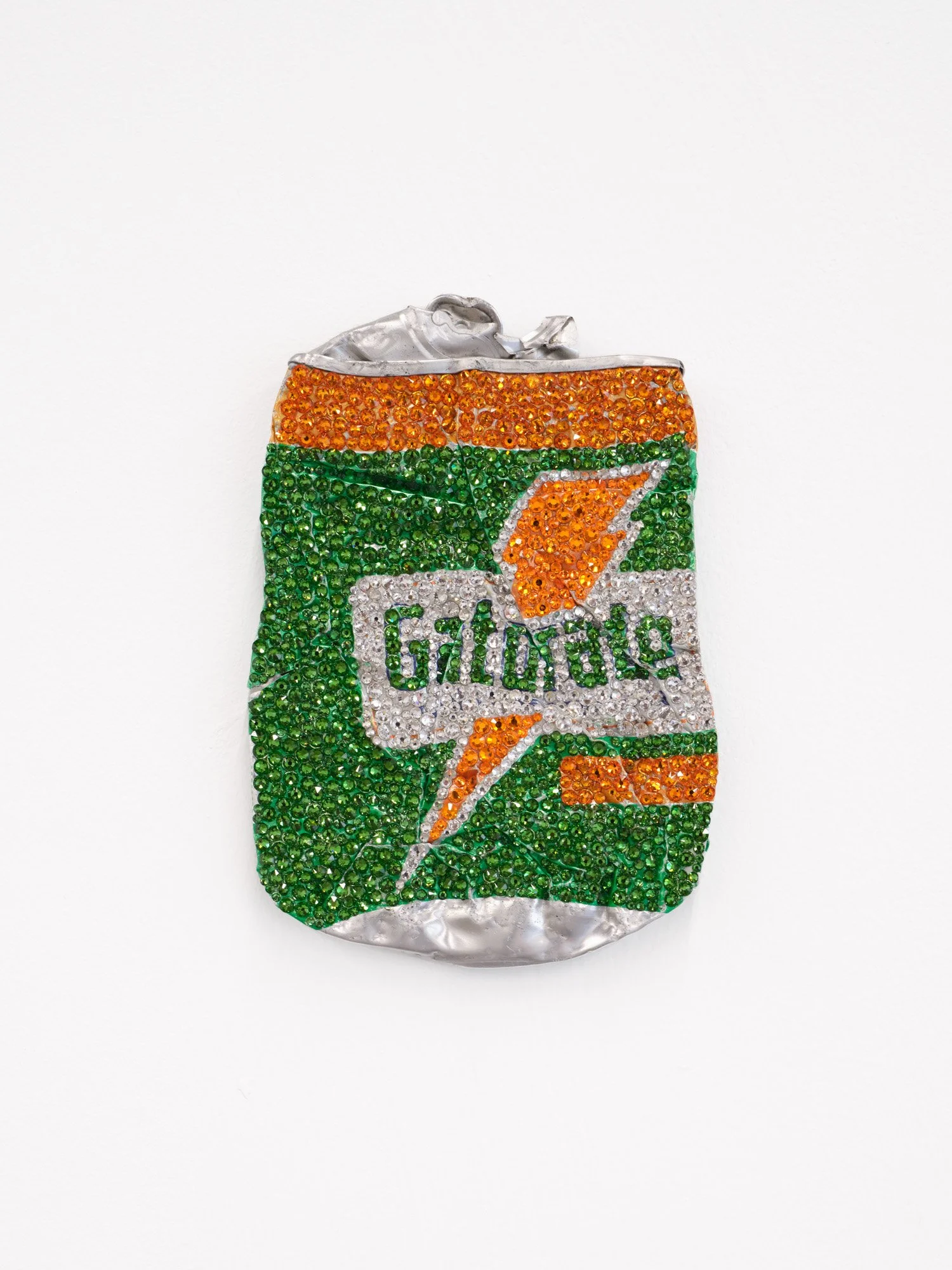
Sam Keller
Can (Gatorade), 2024
Swarovski crystals on found can.
5.25” x 3.75”
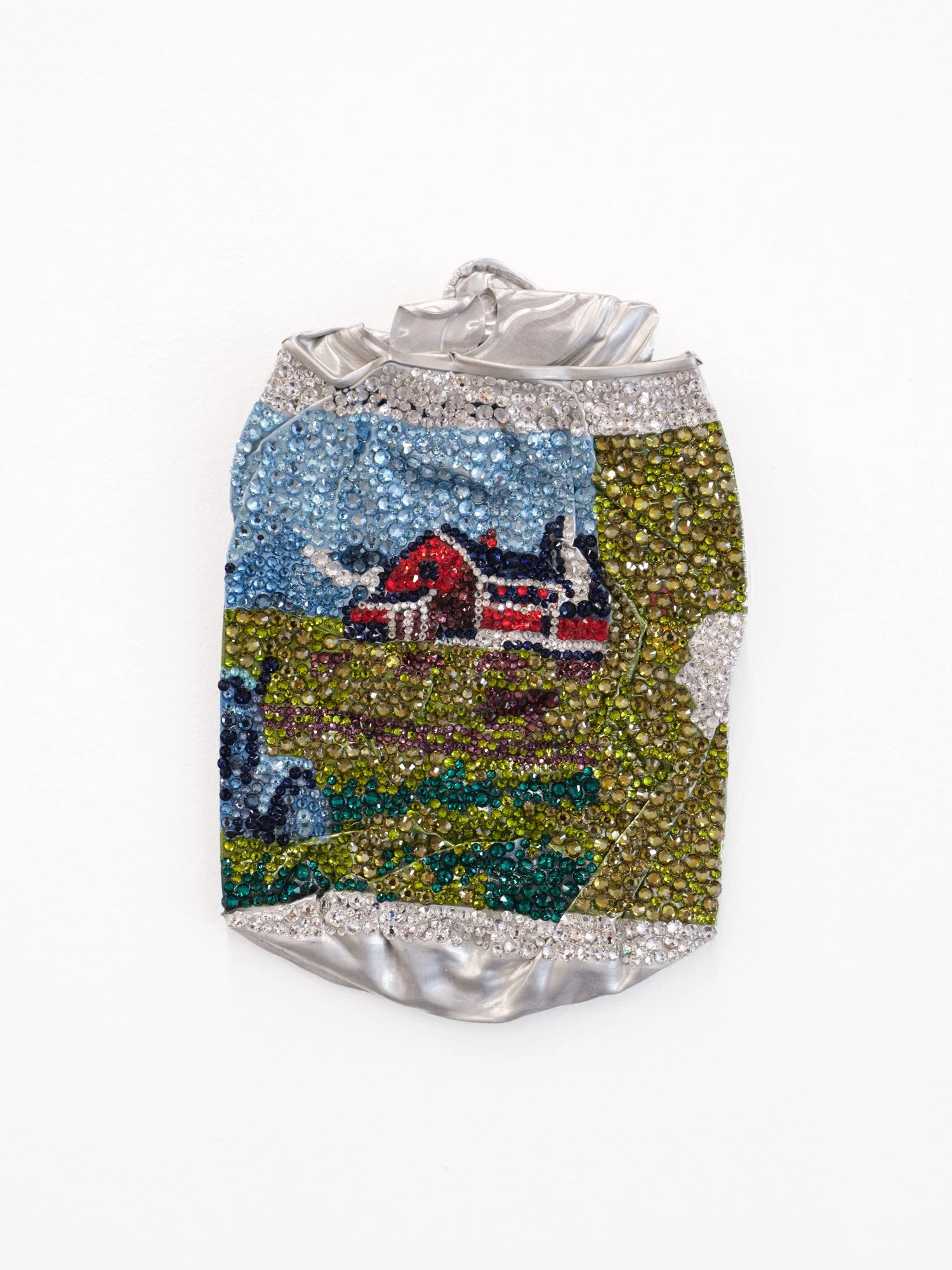
Sam Keller
Can (Busch Light: For the Farmers) , 2026
Swarovski crystals on found can.
5.5 x 3.75 inches
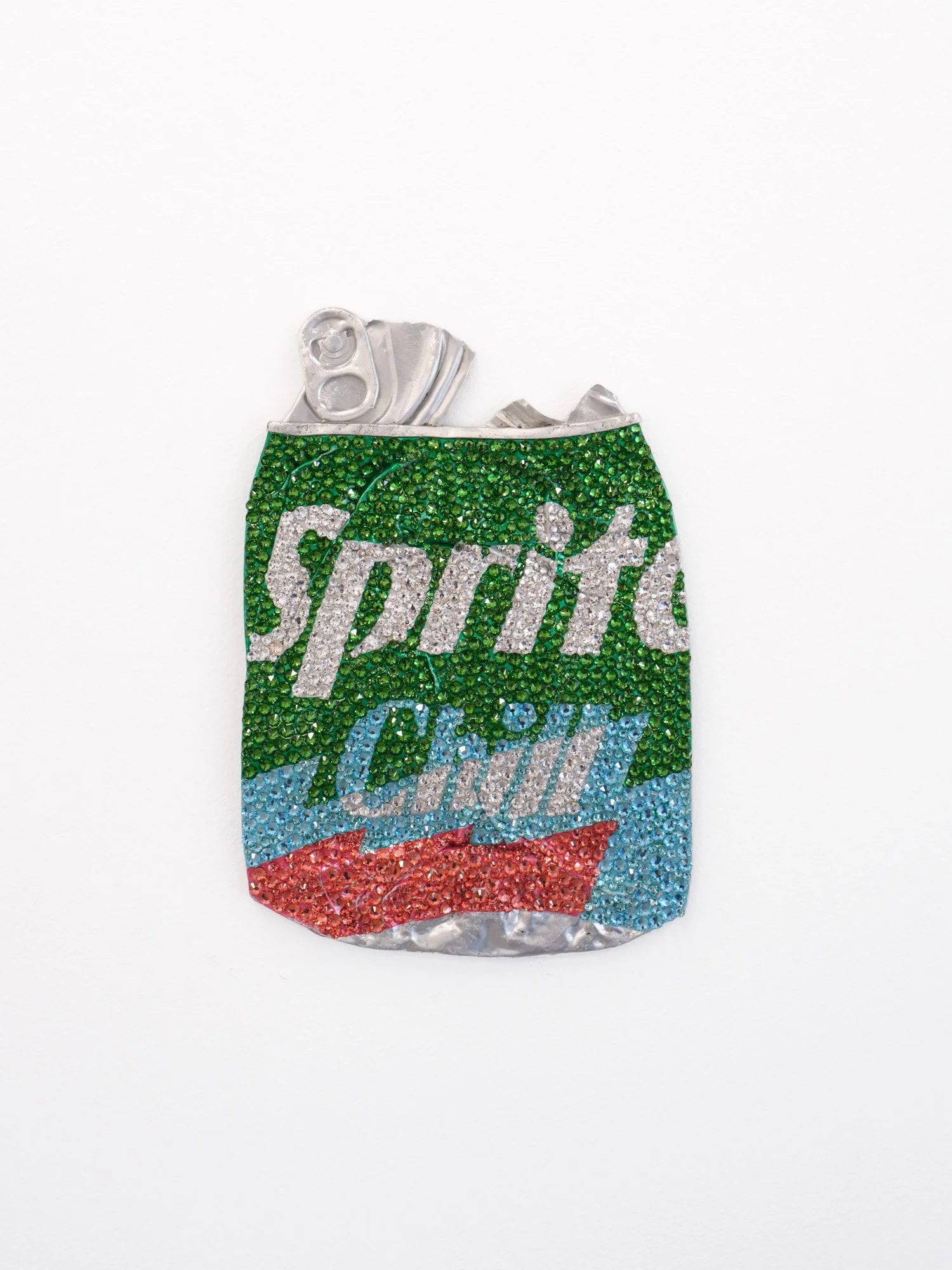
Sam Keller
Can (Sprite Chill), 2026
Swarovski crystals on found can.
5.5 x 4 inches
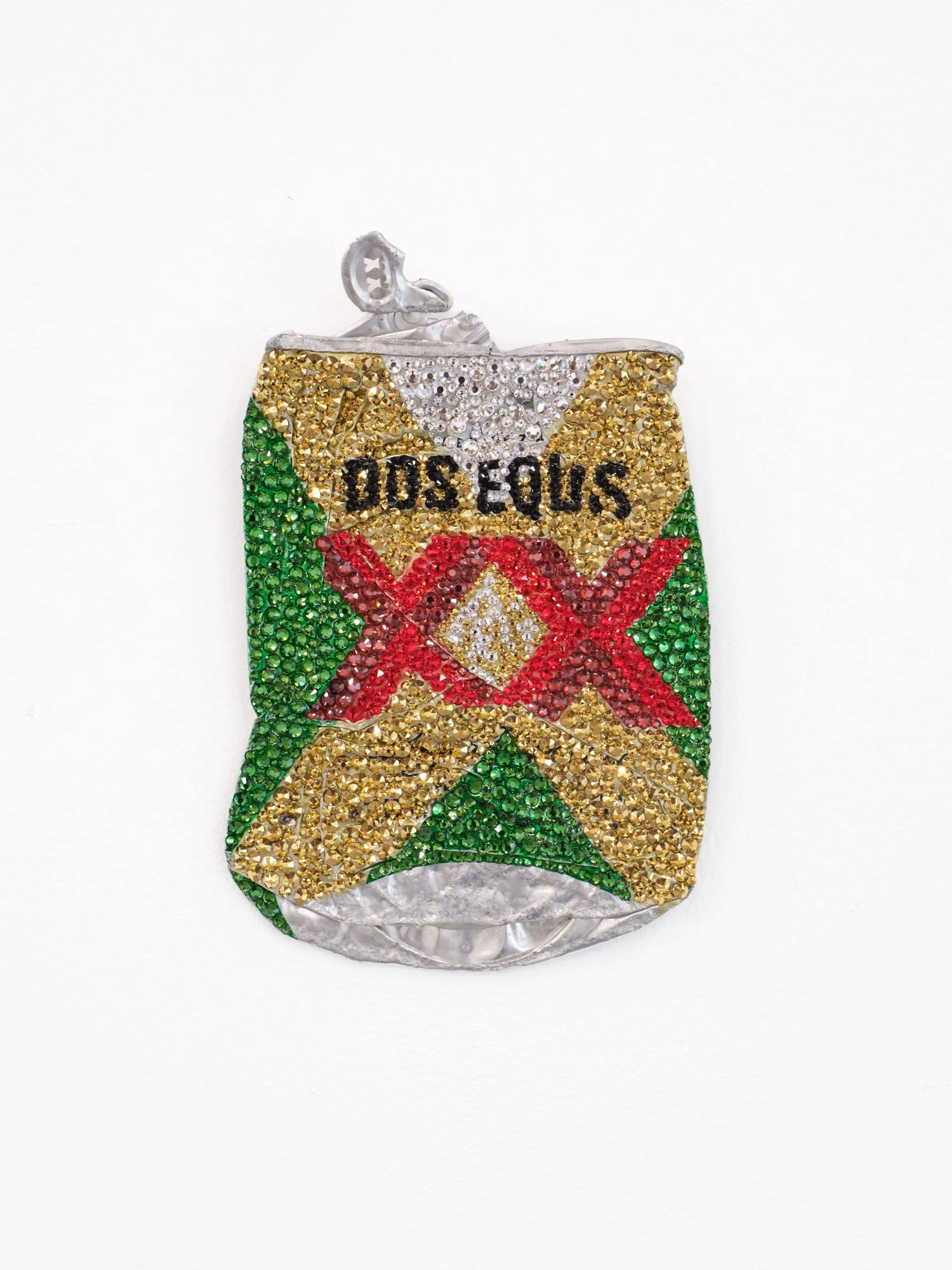
Sam Keller
Can (Dos Equis), 2025
Swarovski Crystals on Found Can
4 x 5 inches
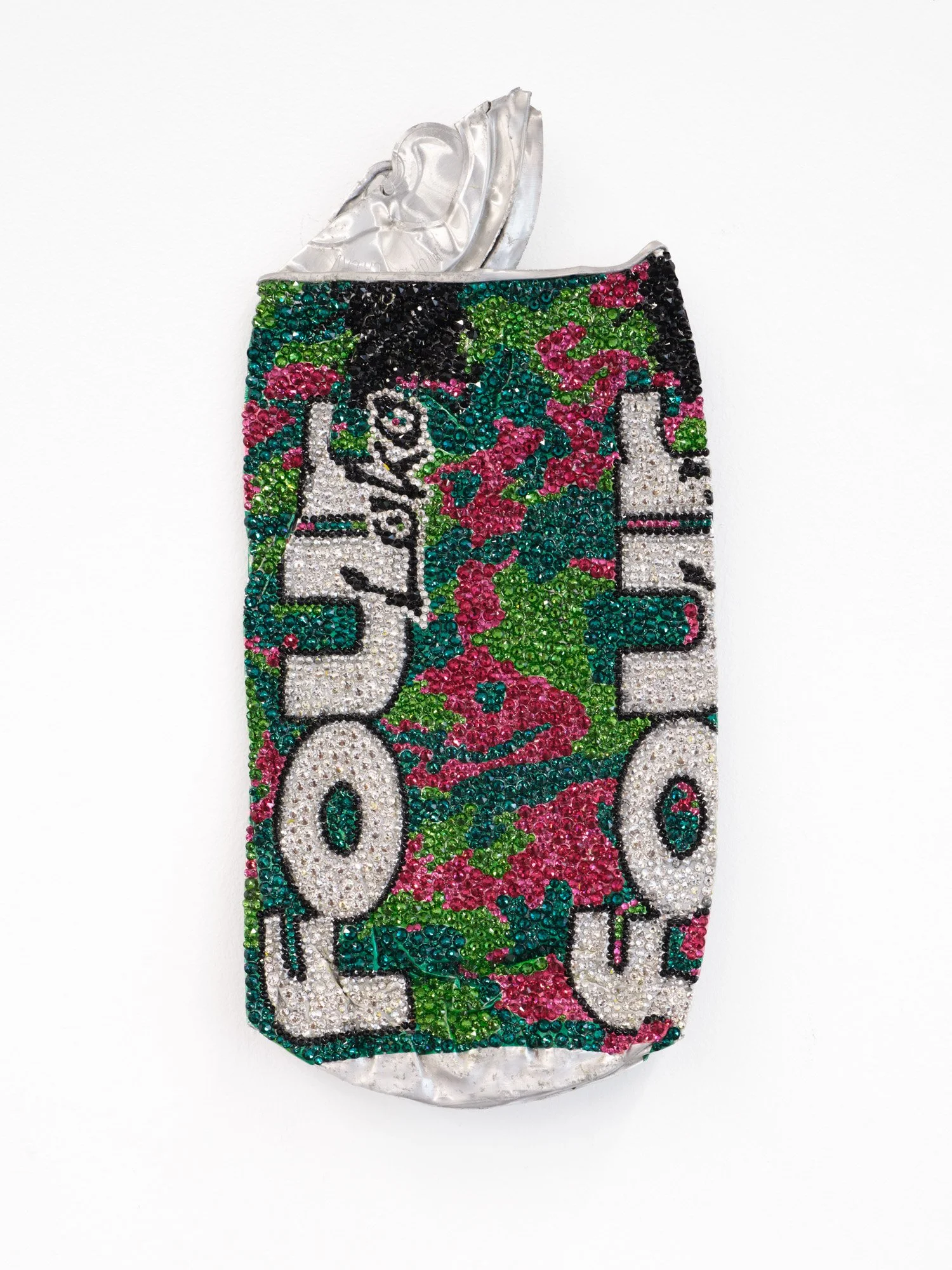
Sam Keller
Can (Four Loko) , 2022
Swarovski crystals on found can.
9.25 x 4.25 inches
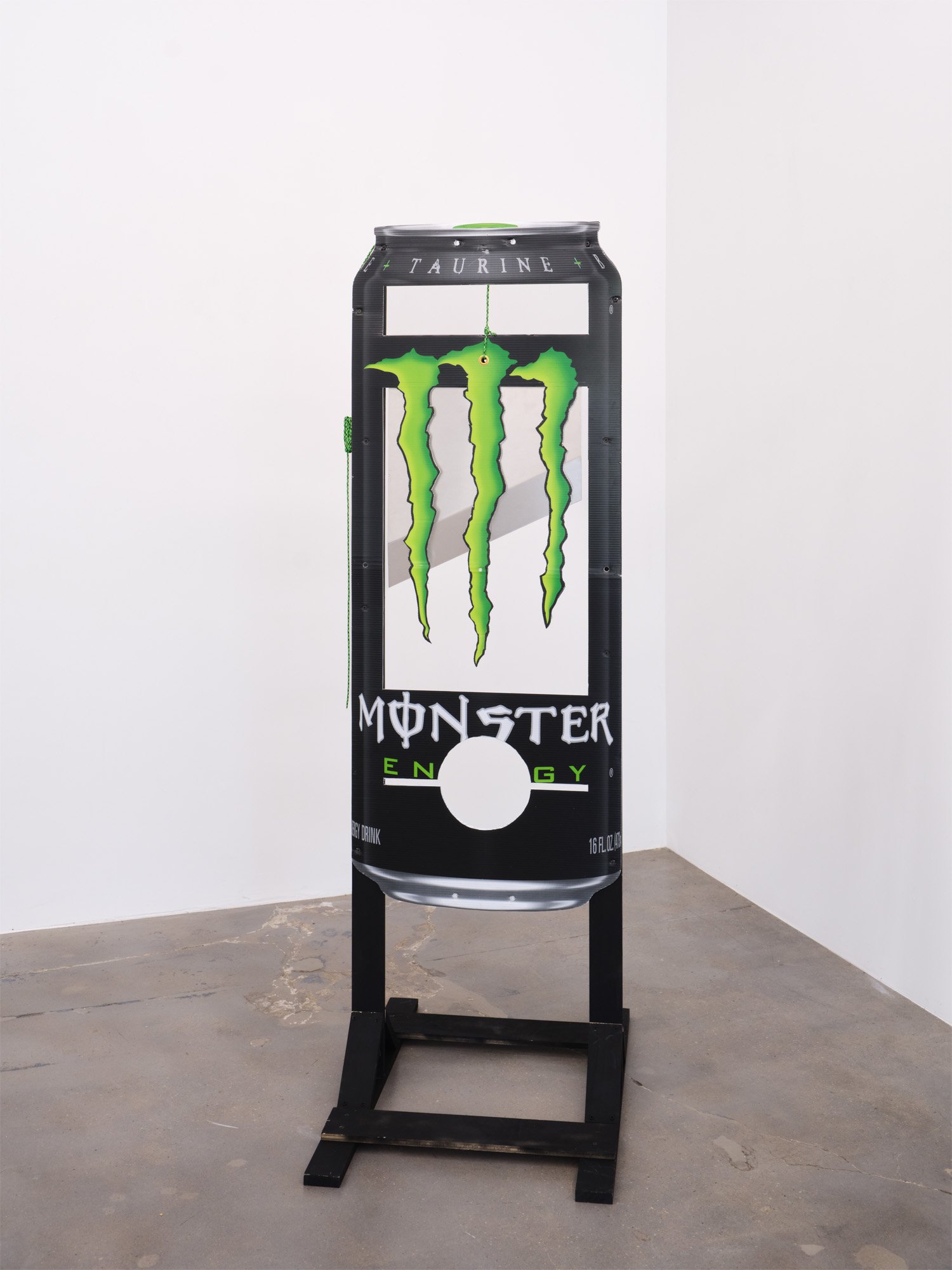
Sam Keller
Big Monster Energy, 2026
Chloroplast, wood, hardware.
67 x 21 x 24 inches
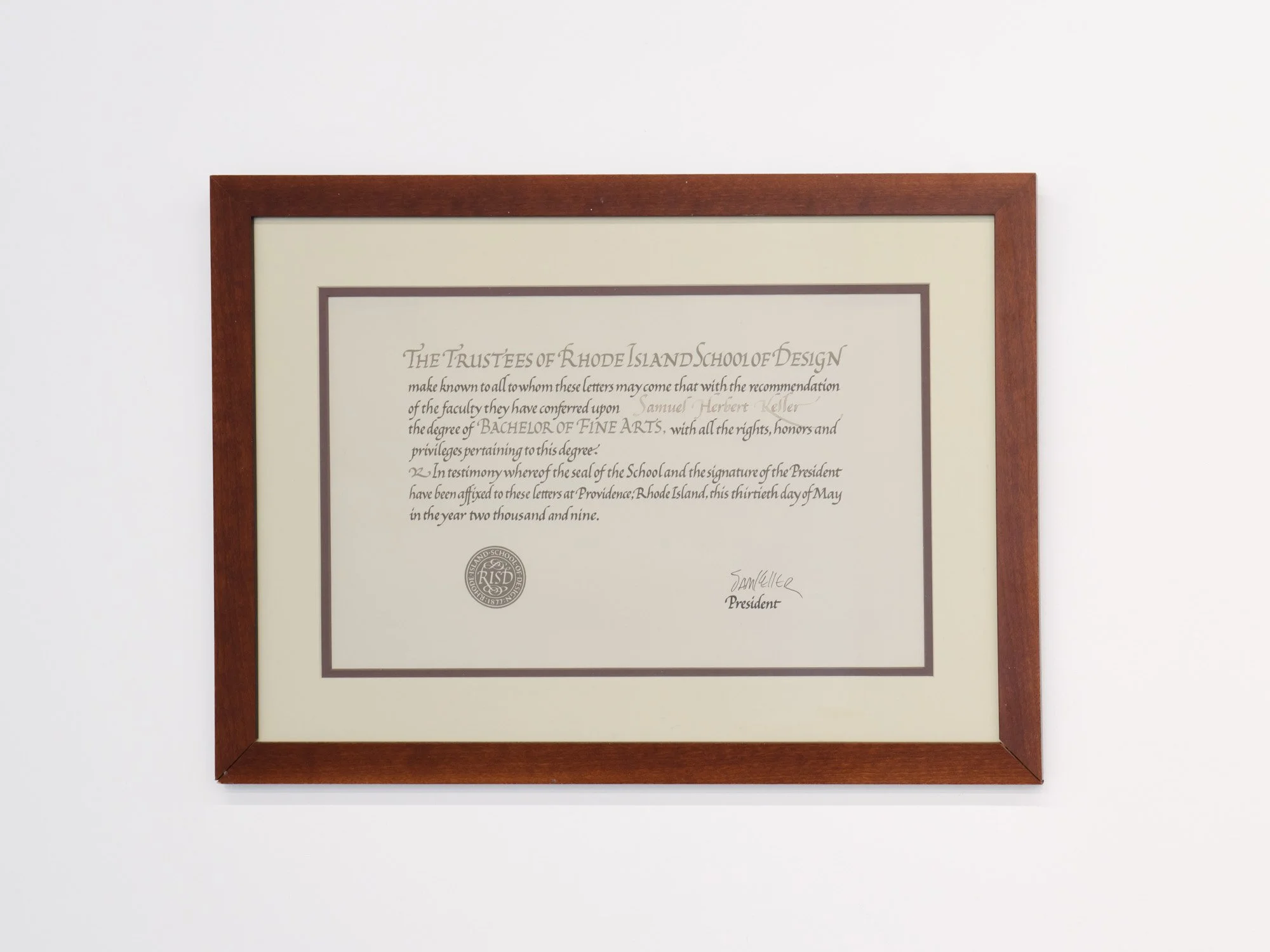
Sam Keller
Double-signed diploma, 2026
Ink on Paper
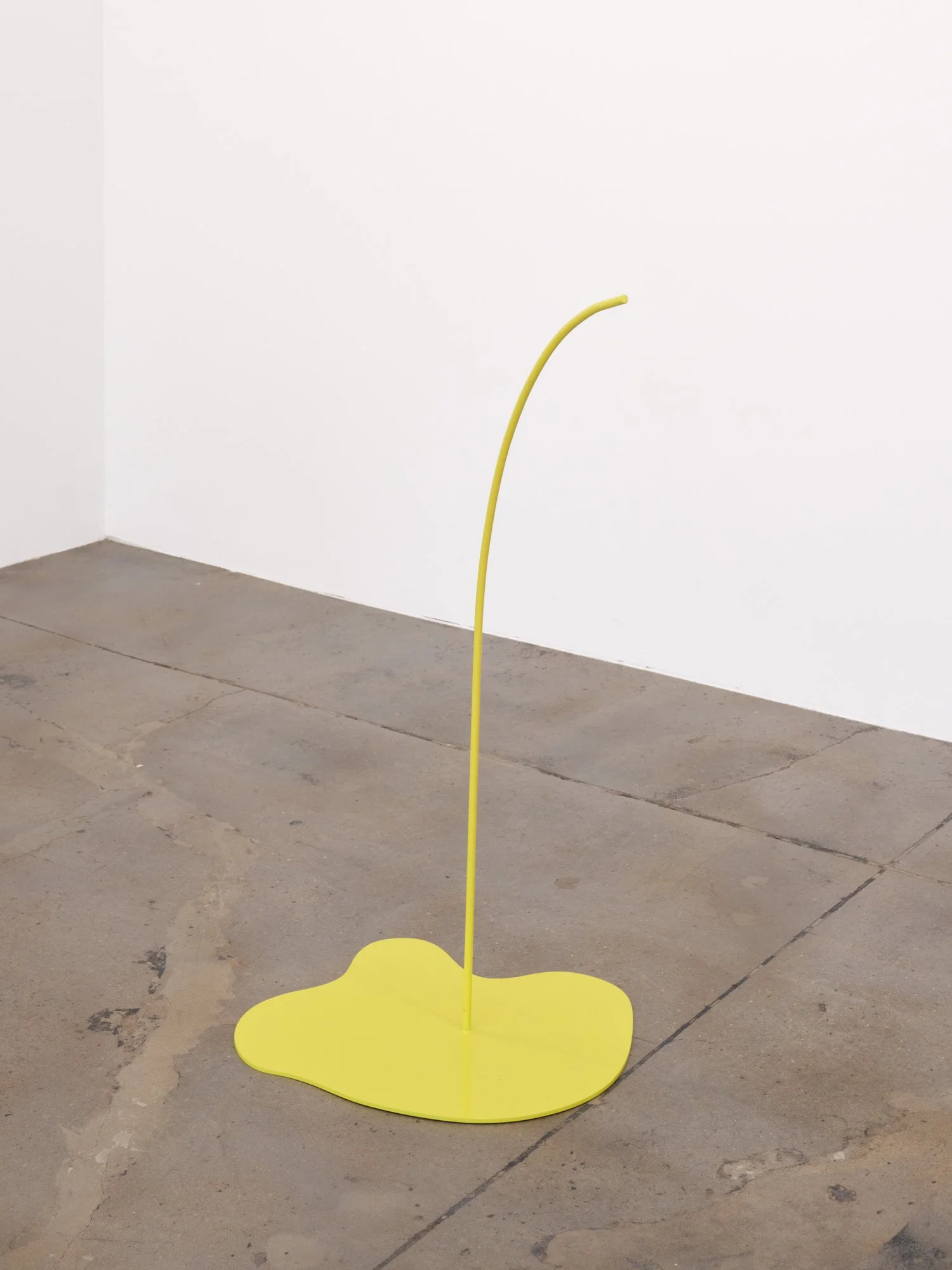
Sam Keller
Taking the Piss, 2026
Powder-coated steel.
36 x 18 x 14.5 inches
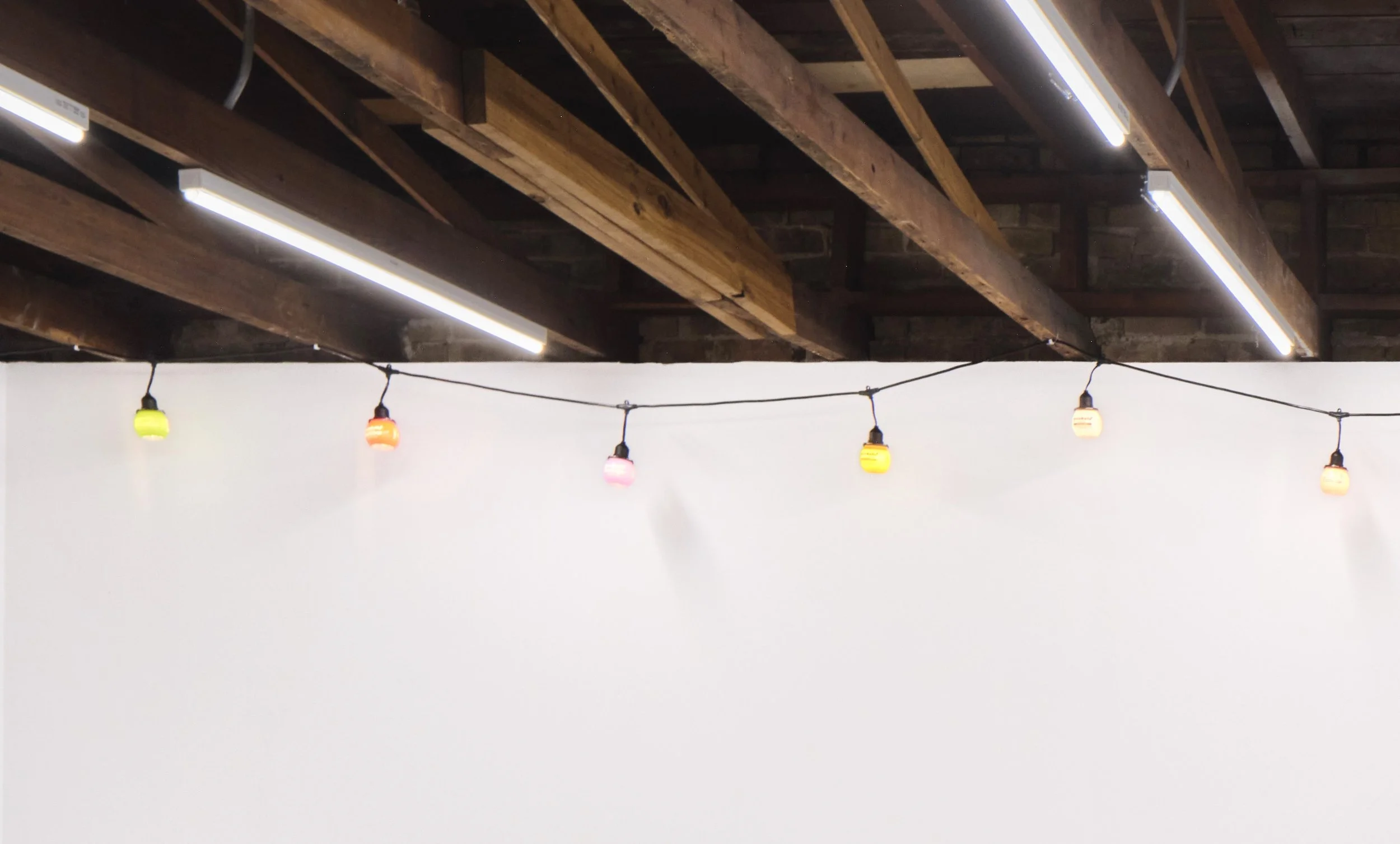
Sam Keller
Buzzball patio lightz, 2026
Buzzballz, HDPE plastic, LED string lights.
Dimensions Variable